Trainees’ first SDS-PAGE gels!
A biochemical rite of passage!
- Korina: 4/9/26. Evidence: https://tinyurl.com/38rfp6yn
- Liam: 4/13/26
- Brooke: 4/23/26. Evidence: https://youtube.com/shorts/40u6MIZJl0A
9/17/26: Jackson Spiecker joins the Bibel lab
We’re thrilled to welcome Jack to our group! He’s already hard at work on a cool new project I’ve been eager to dive into.
Jackson Spiecker
Biochemistry major, Class of 2027
Hometown: Denver, Colorado – Go Broncos!
“I am fascinated by thinking about the microscopic scale of the gazillions of invisible interactions that govern daily life. After working directly with MDH in the Advanced Biochemistry Lab (CHEM 373), I am excited to continue exploring the enzyme and its relation to Lactate Dehydrogenase in the Bibel Lab. Ultimately, I hope to attend medical school and become a physician.”
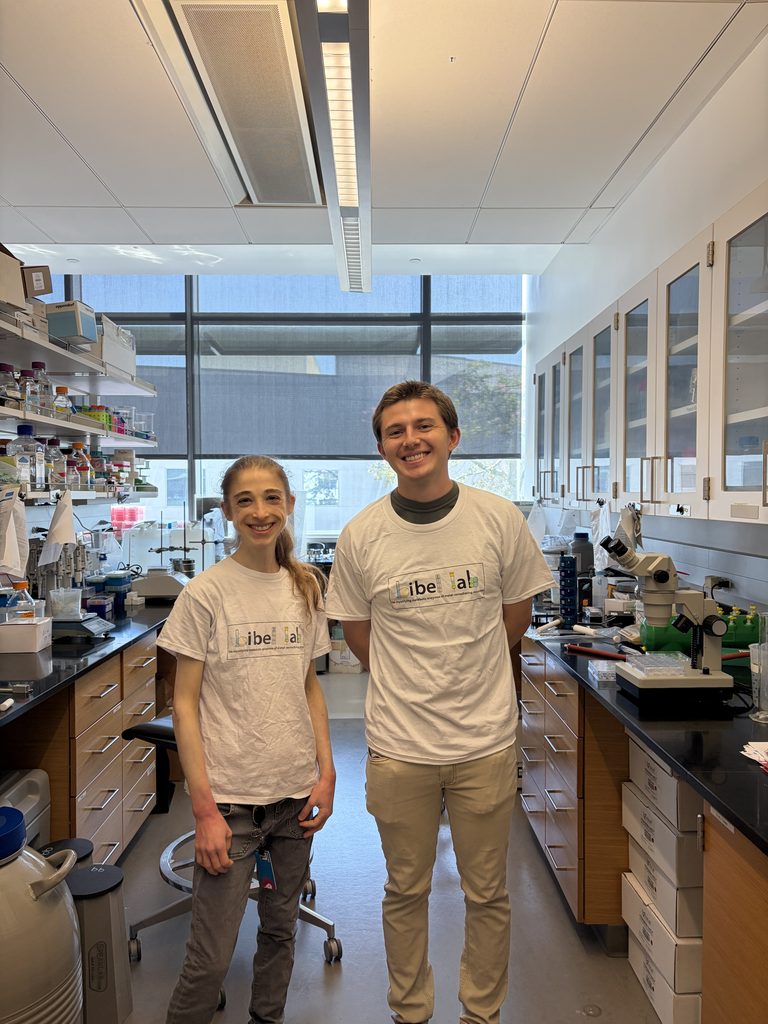
8/31/26: Fall 2026 semester starts – back at it again!
After a second-half-of-summer hiatus, the Bibel lab is ramping back up! With exciting times ahead! (PS – Korina & Brooke are returning as well 🙂 ).
6/25/26: Summer research poster session
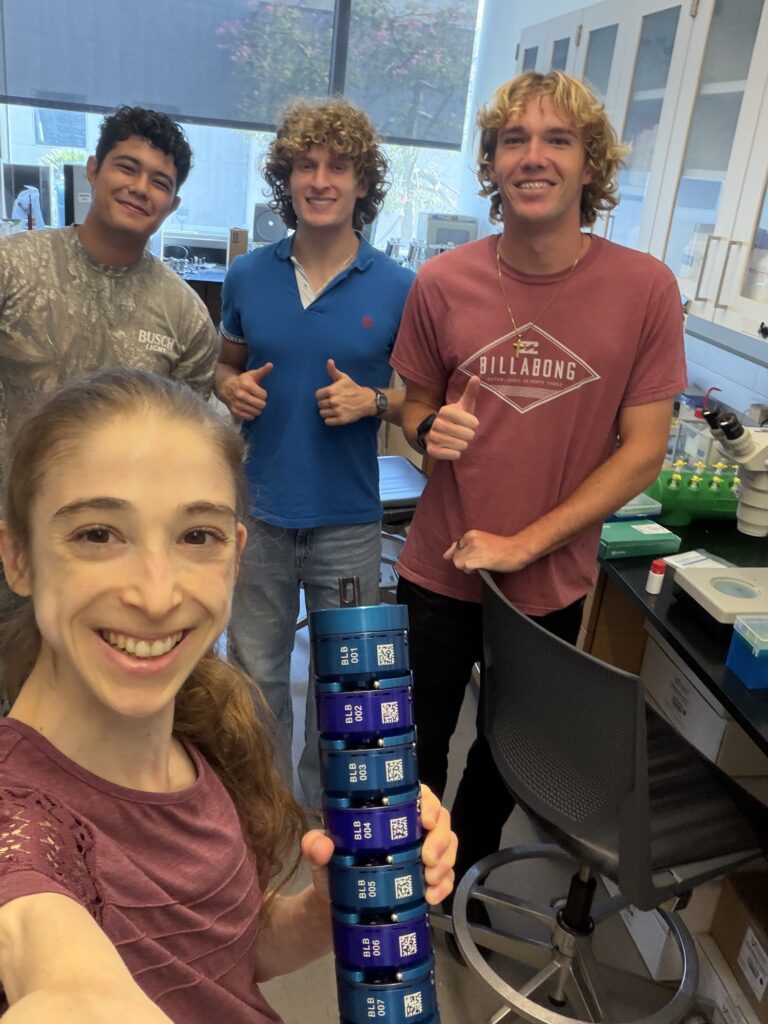
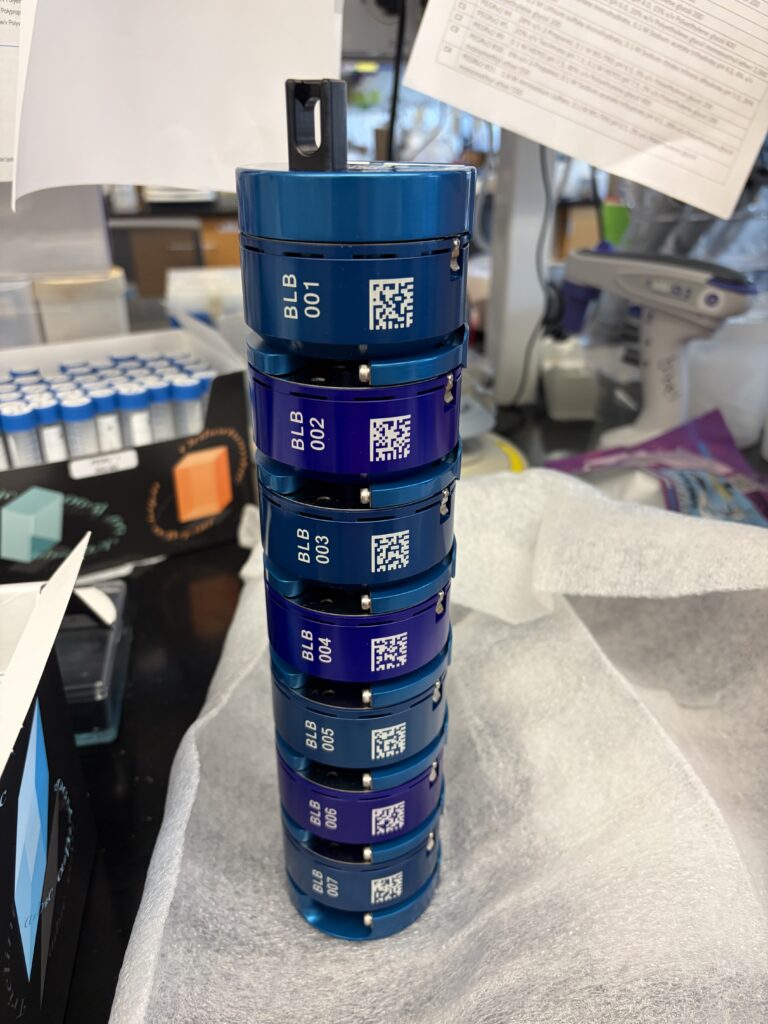
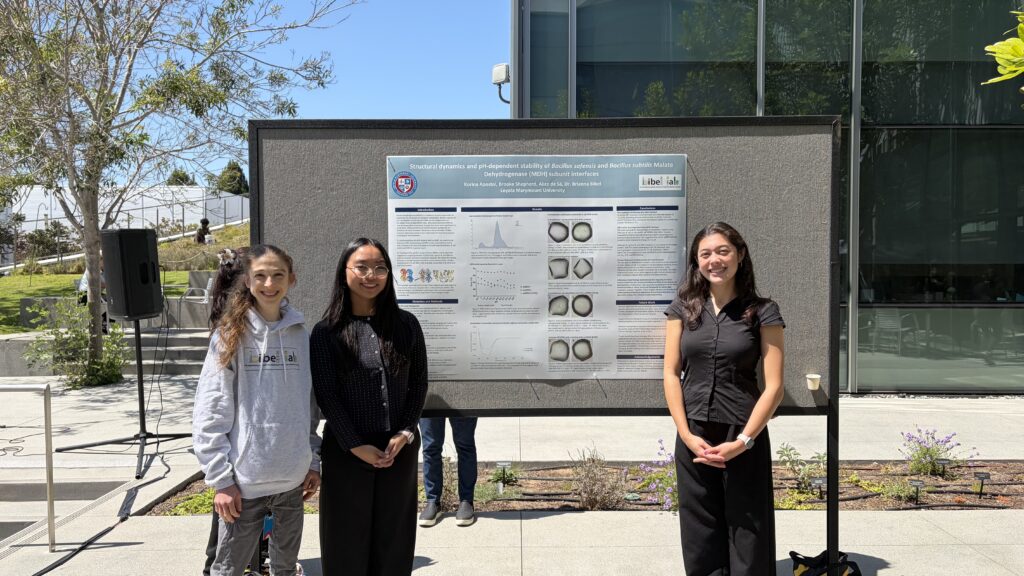
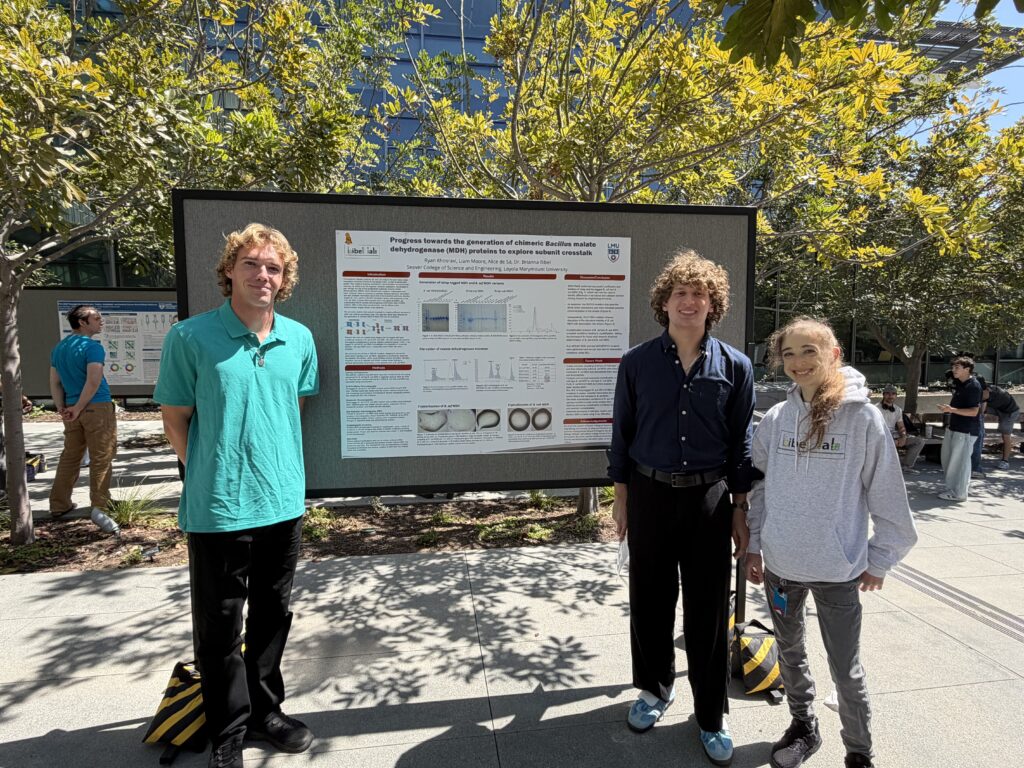
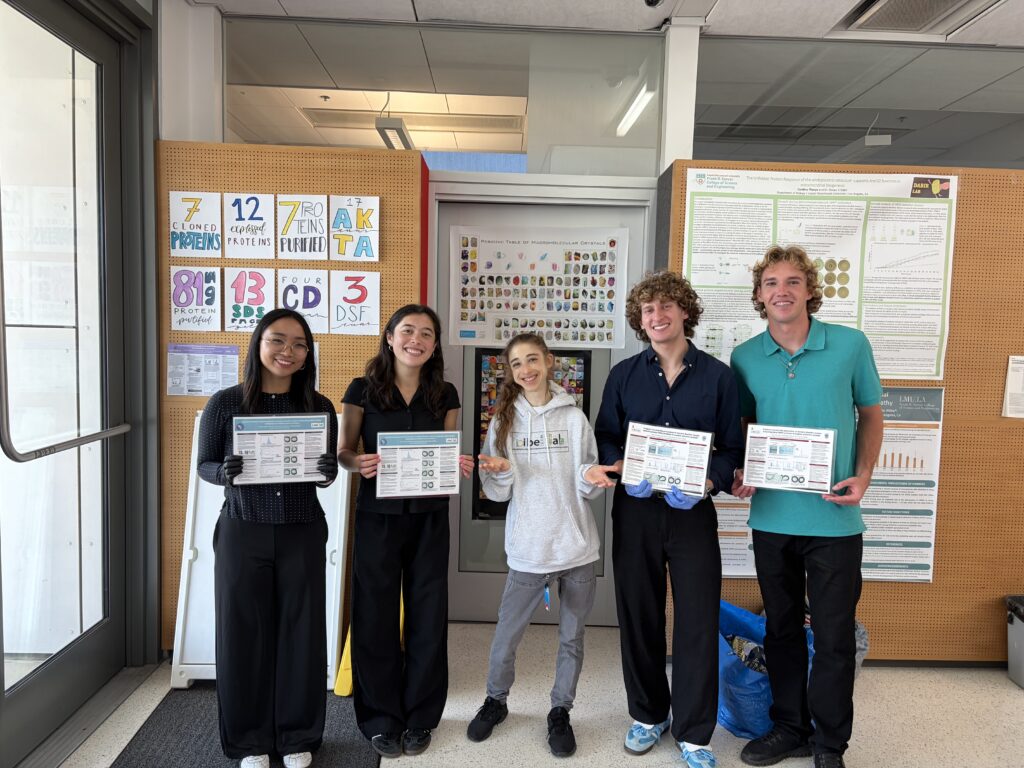
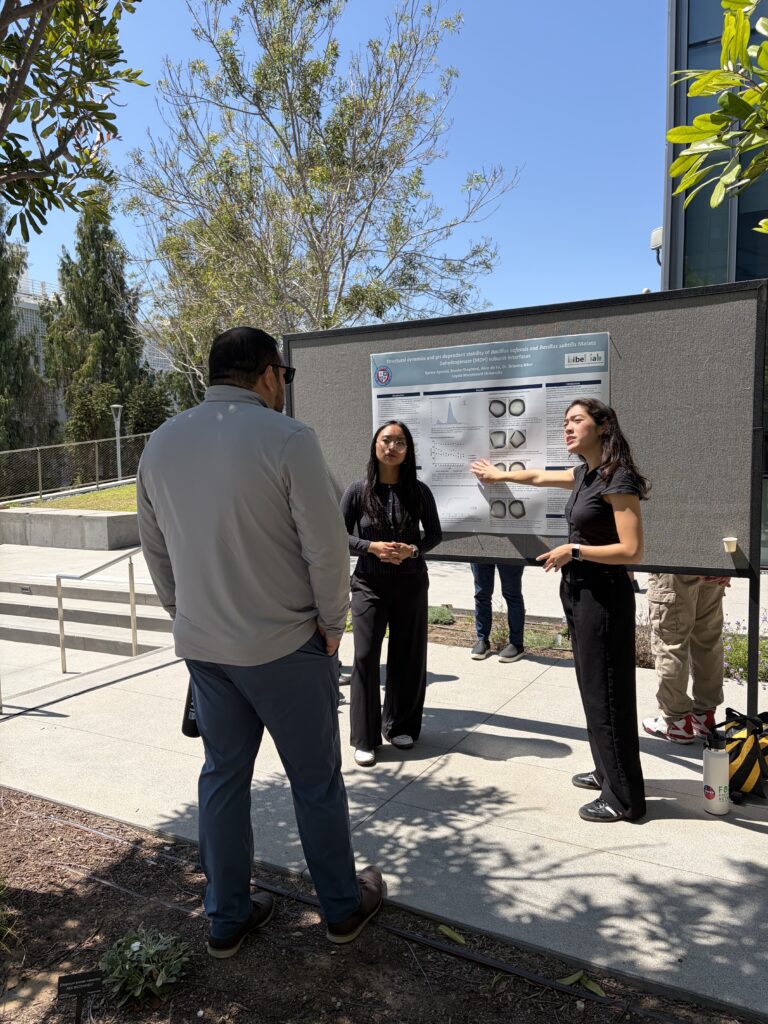
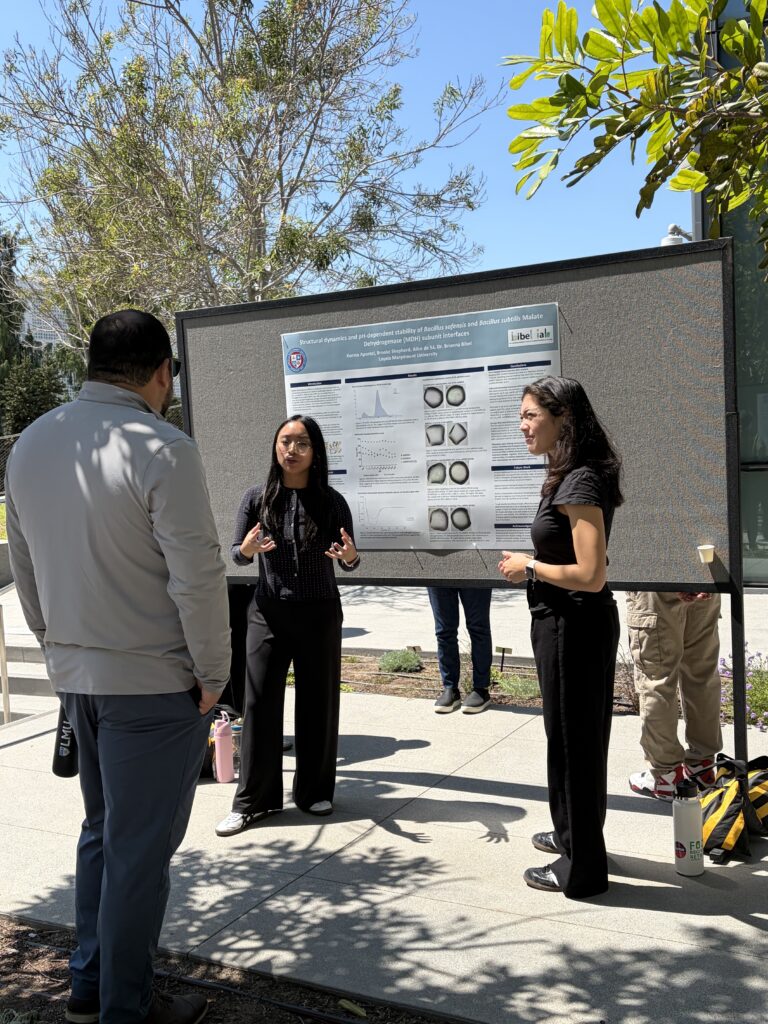
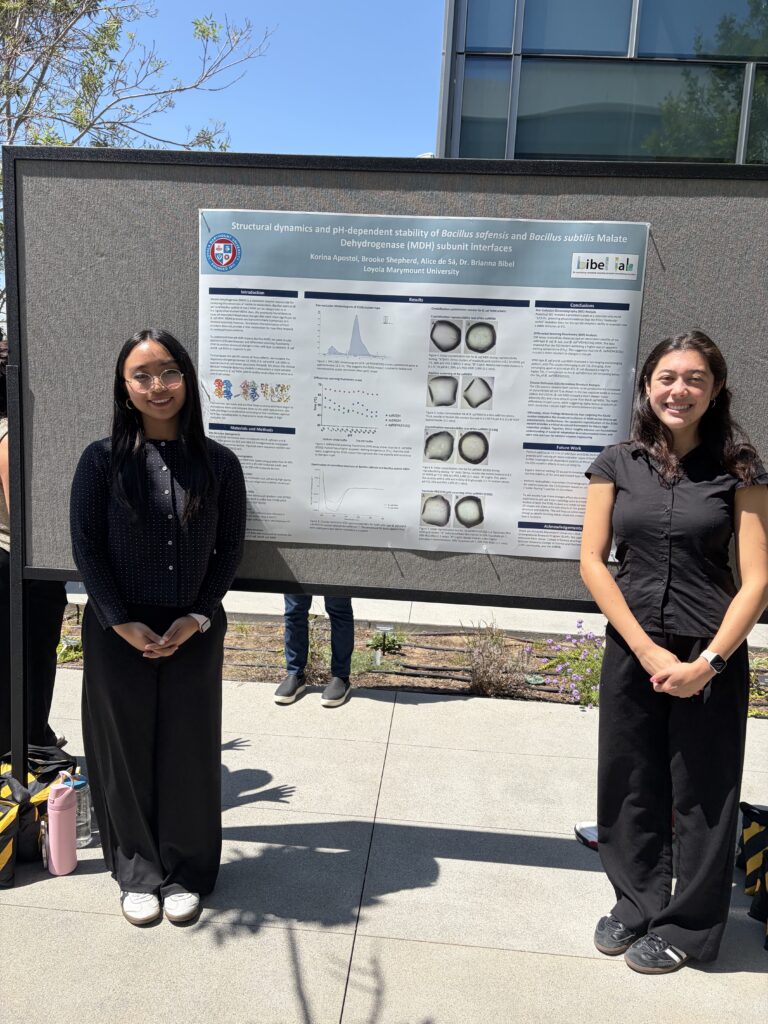
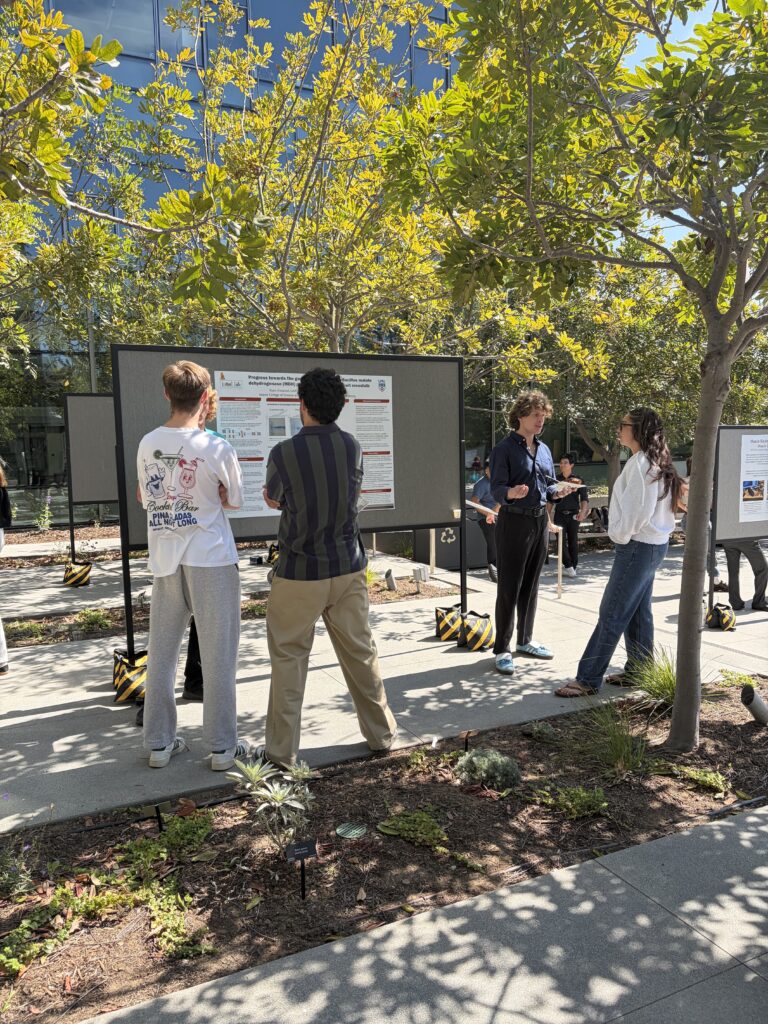
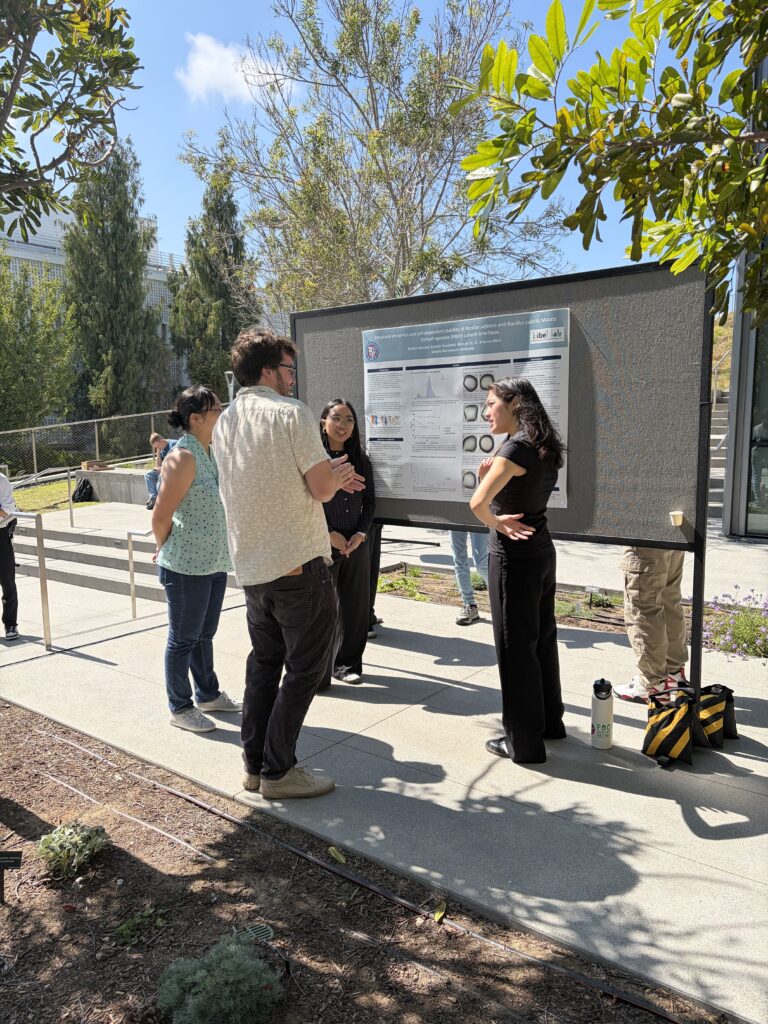
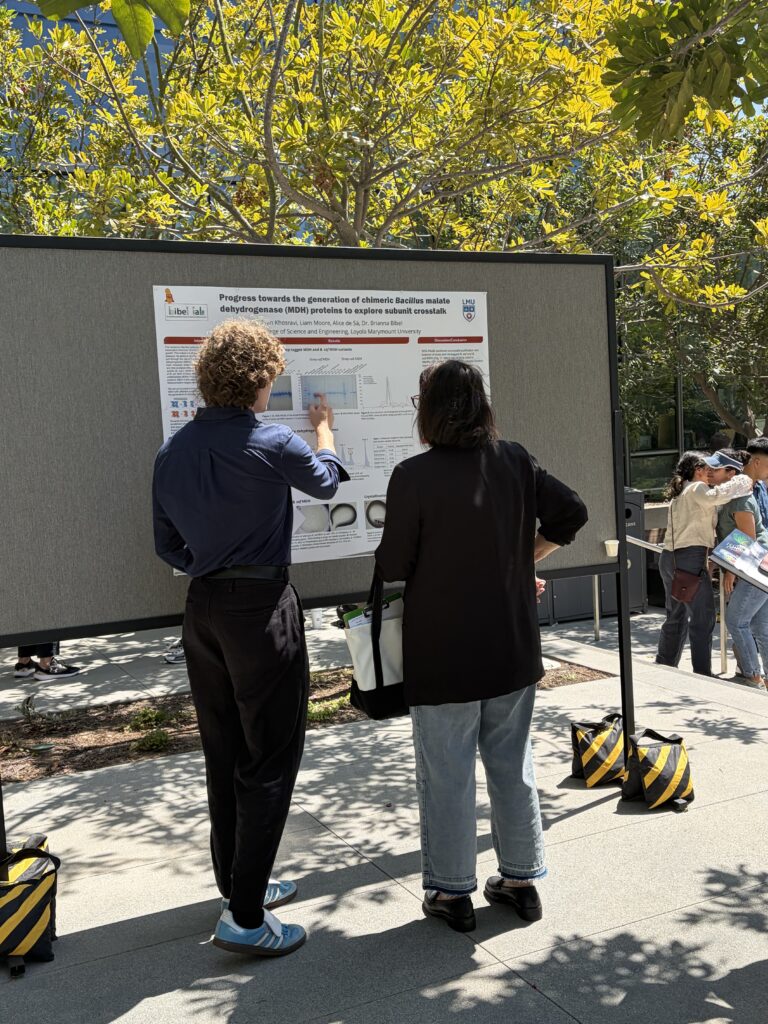
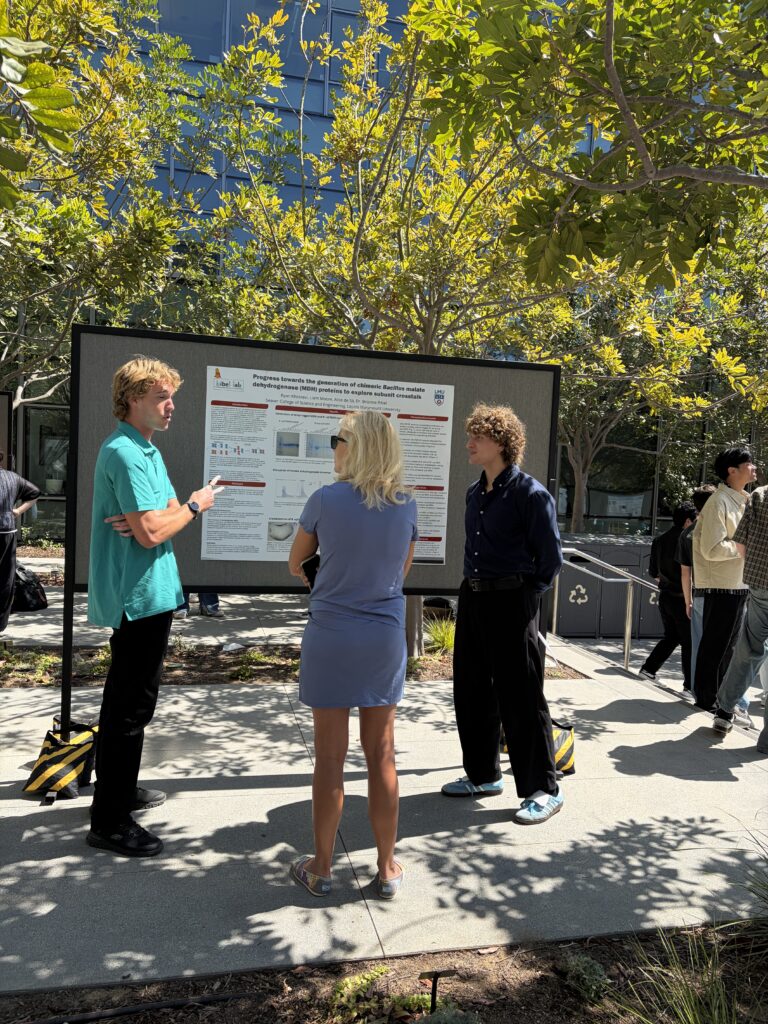
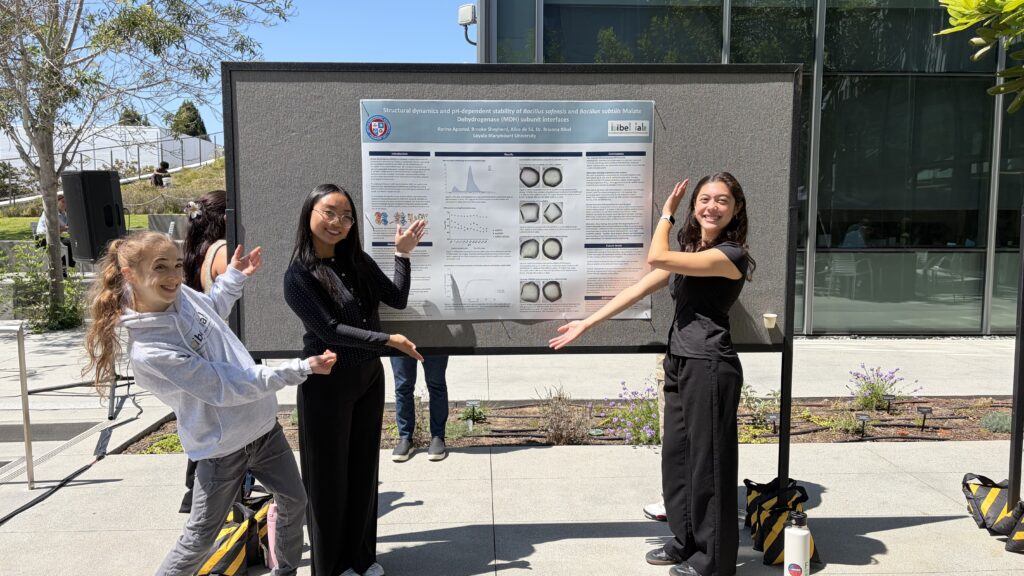
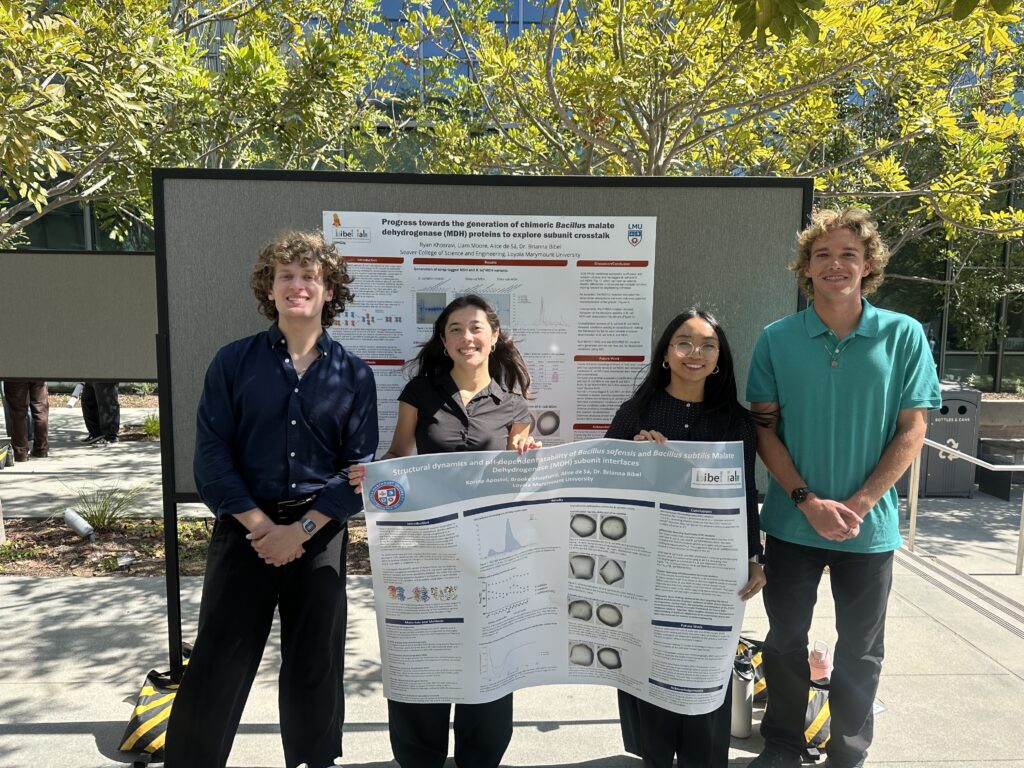
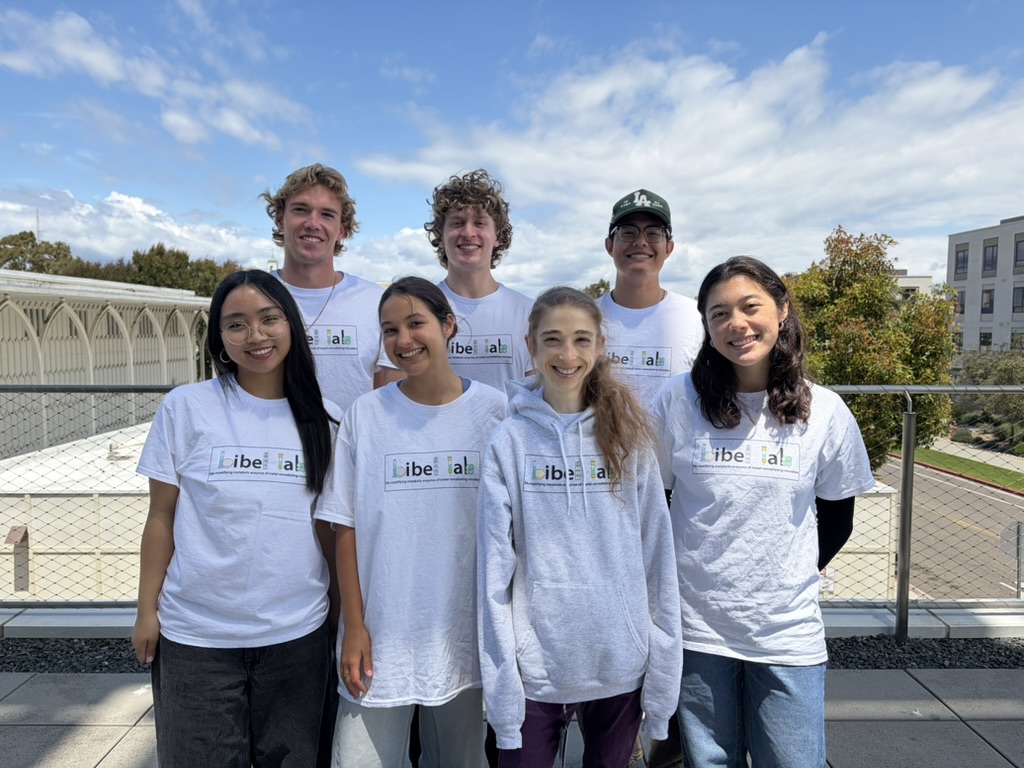
It’s been a whirlwind of a 6 weeks! I’m oh so exhausted but oh so proud of the amazing undergraduate researchers in my lab. Today, Liam, Ryan, Korina, and Brooke totally rocked their poster presentations at LMU’s summer research poster session! We’re ending the official research period with really interesting, promising results going in to the unofficial research period (which will hopefully be a bit more laid back so I can get some sleep…). And really pretty protein crystals! But what excites me the most is not the growth of the crystals but rather the tremendous growth I’ve been able to witness in these remarkable scientists in training and mentors in the making (I love seeing them teach and help one another as they get more confident in their abilities).
There are no words to express the gratitude I feel for the Bibel lab members and for all my colleagues at LMU. THANK YOU!
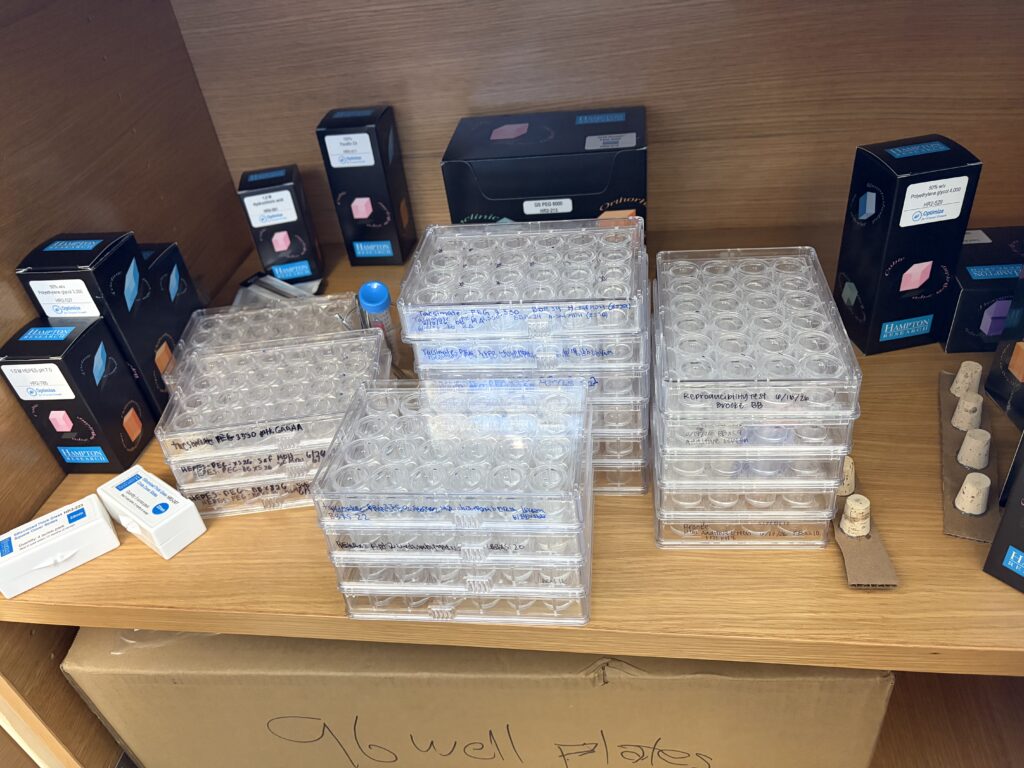
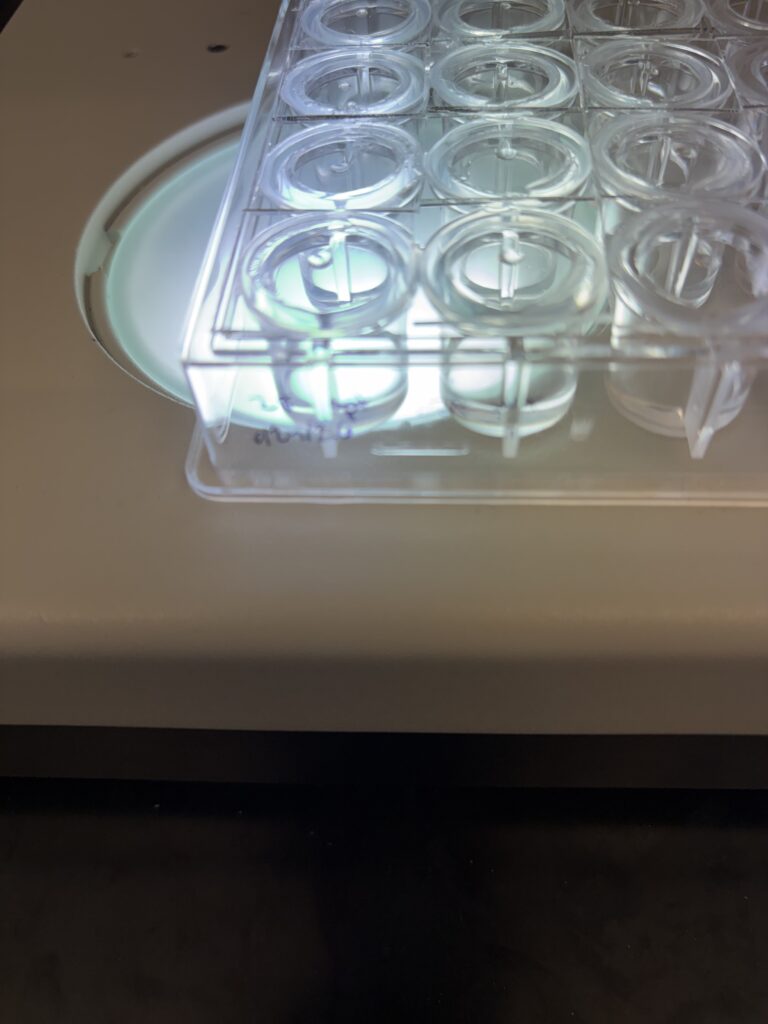
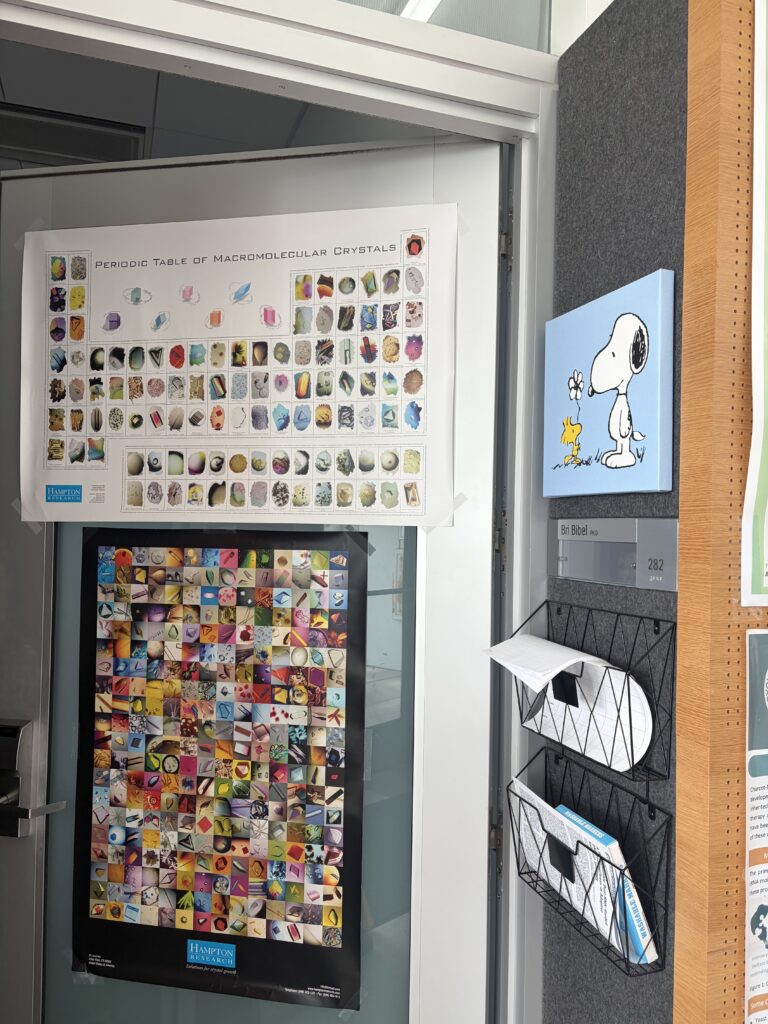
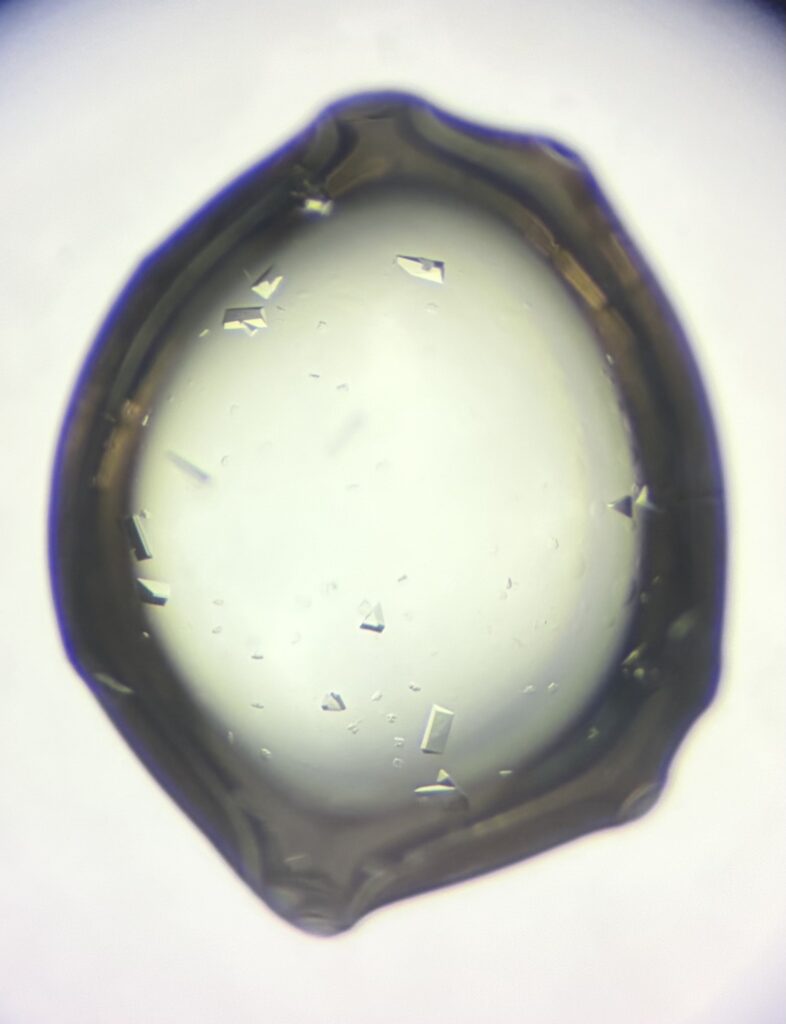
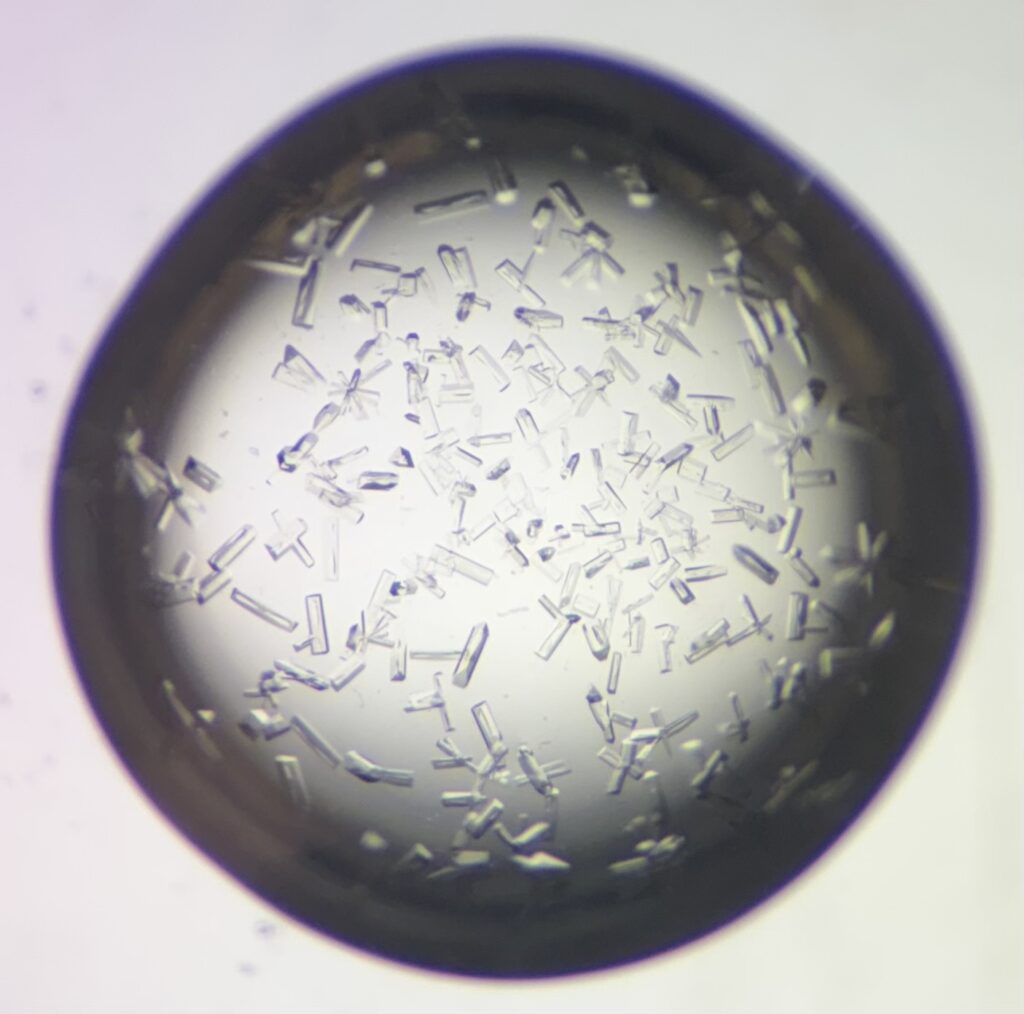
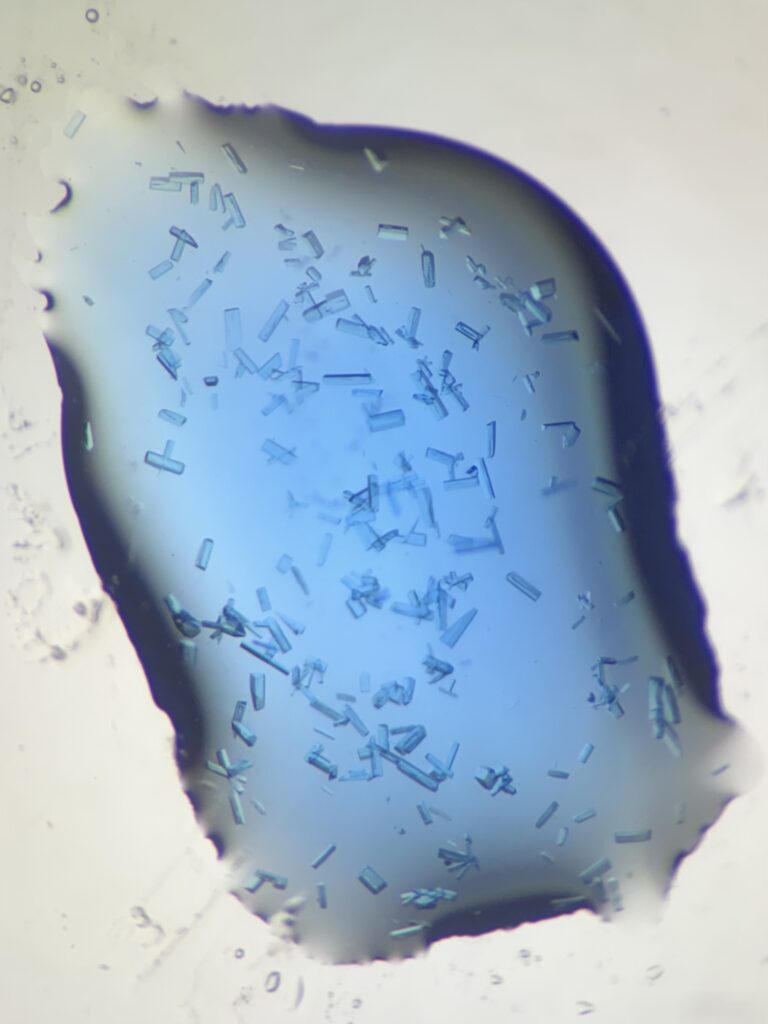
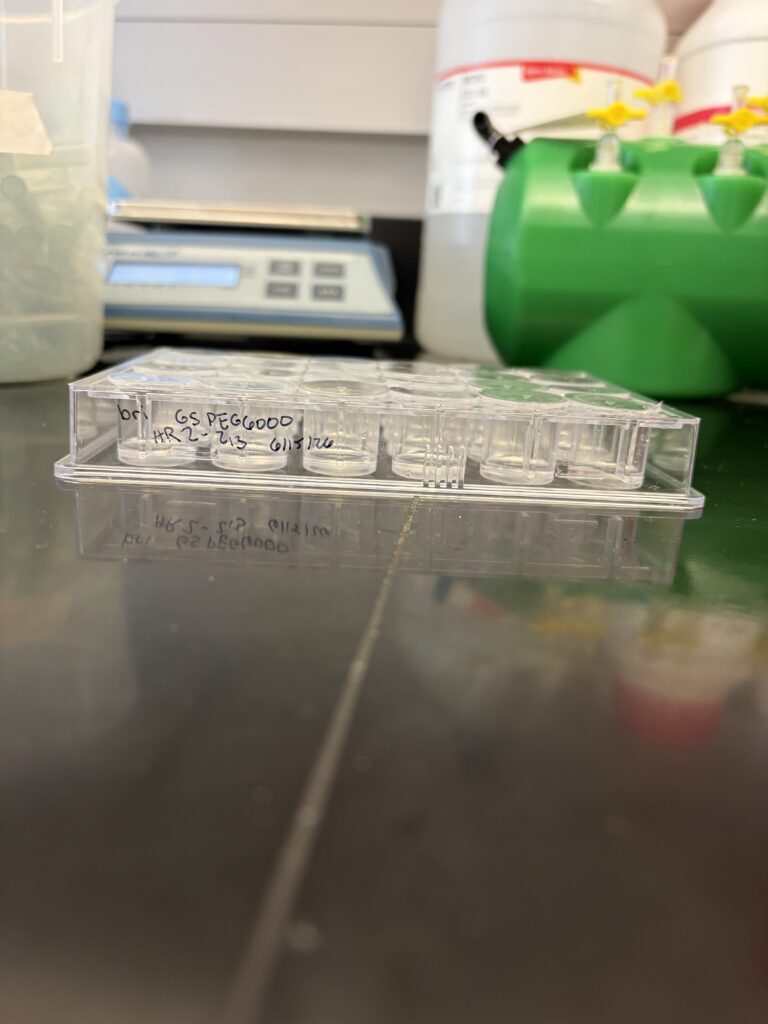
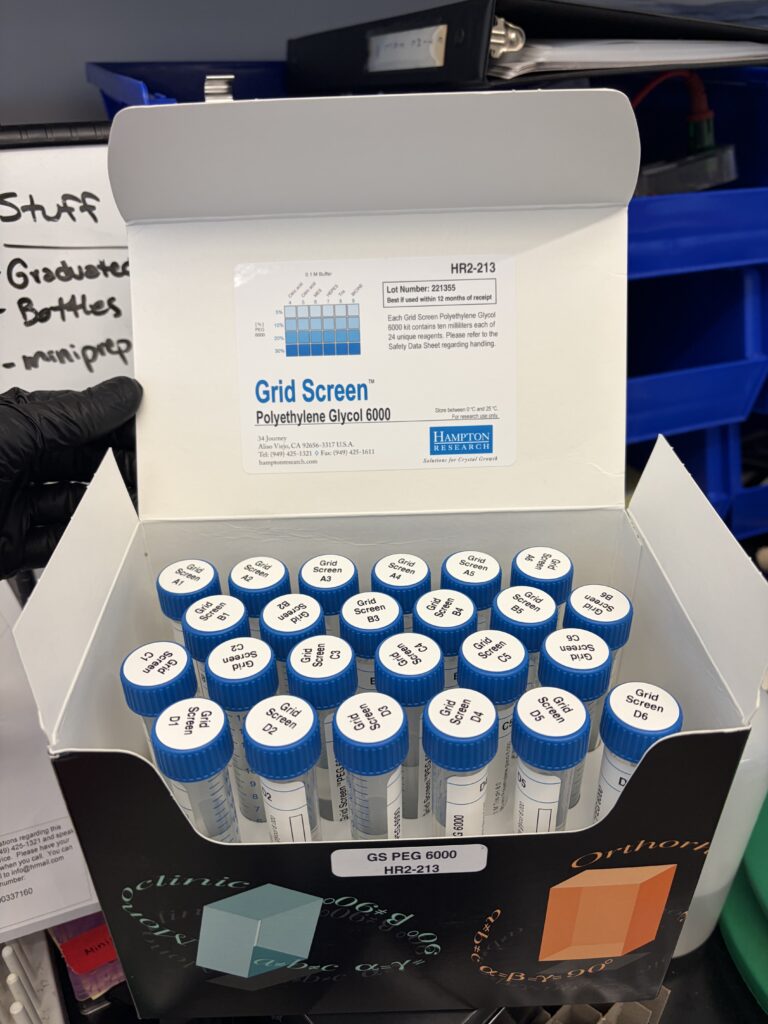
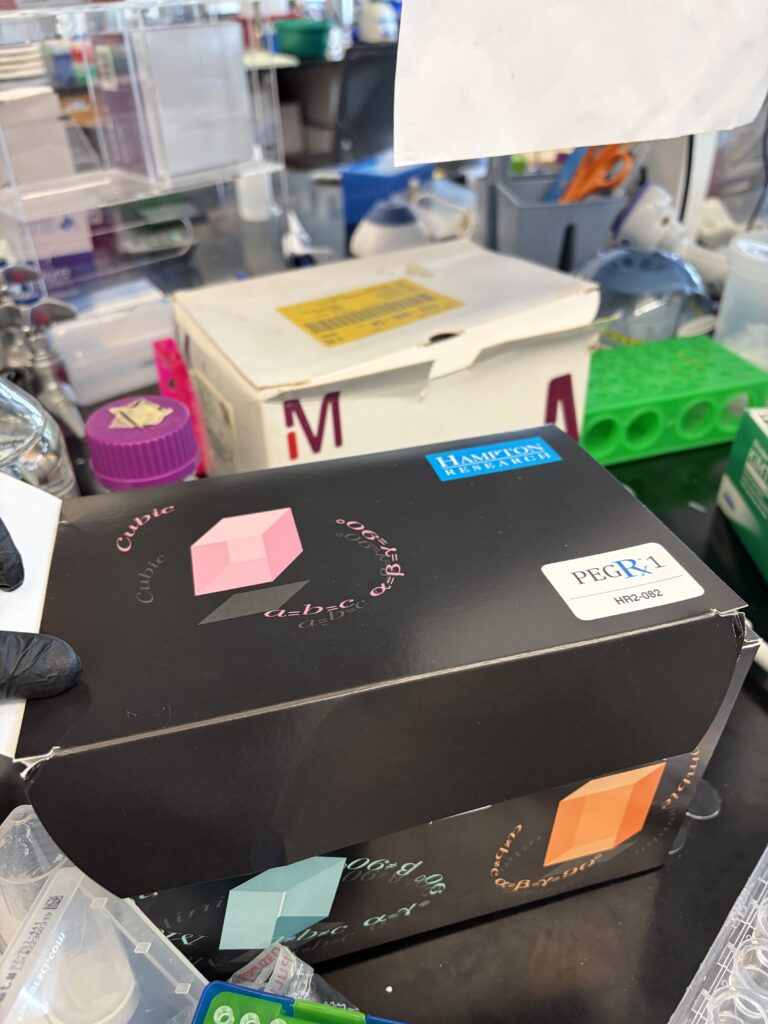
6/15/26: Bibel lab’s first crystallography trays!
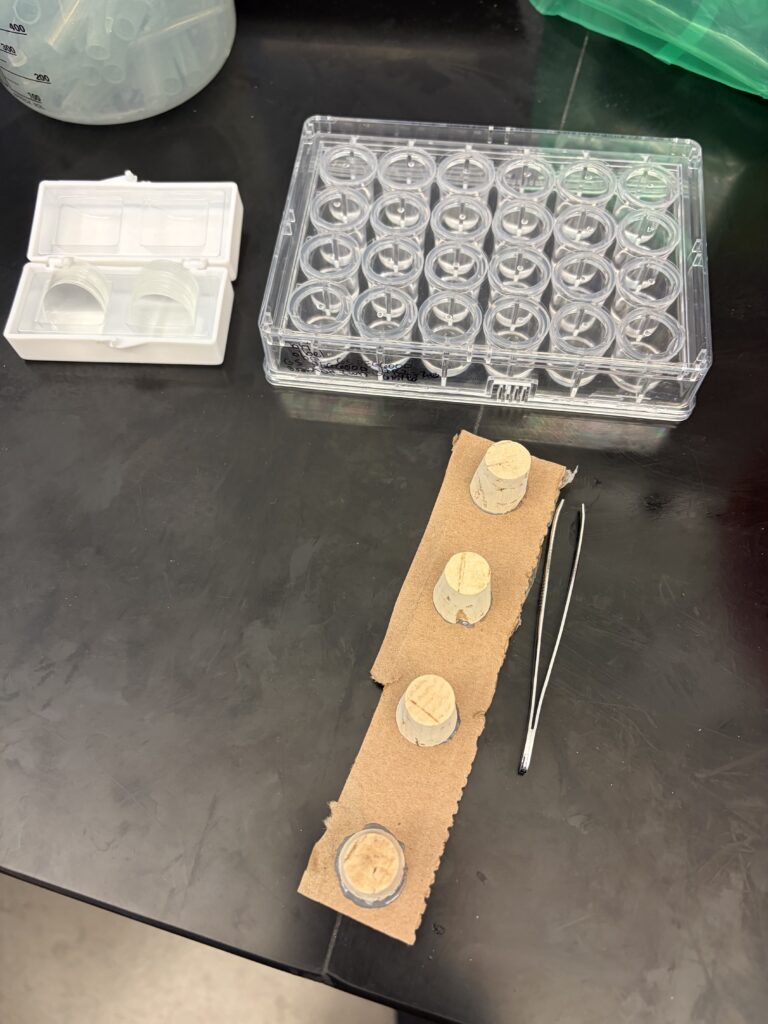
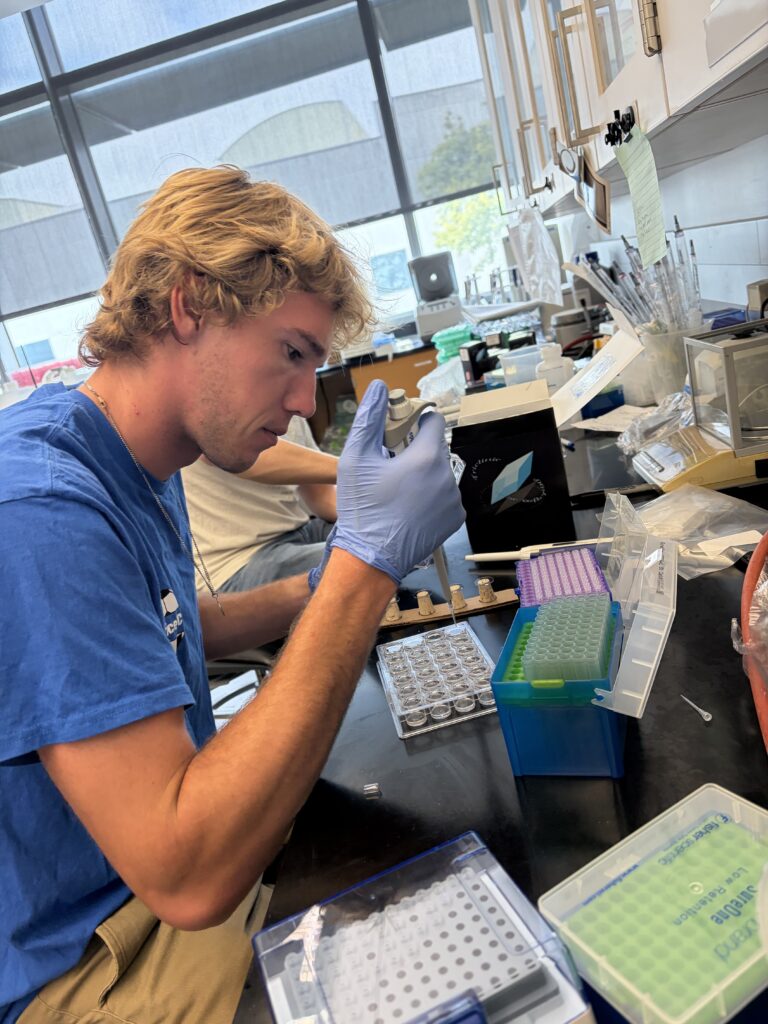
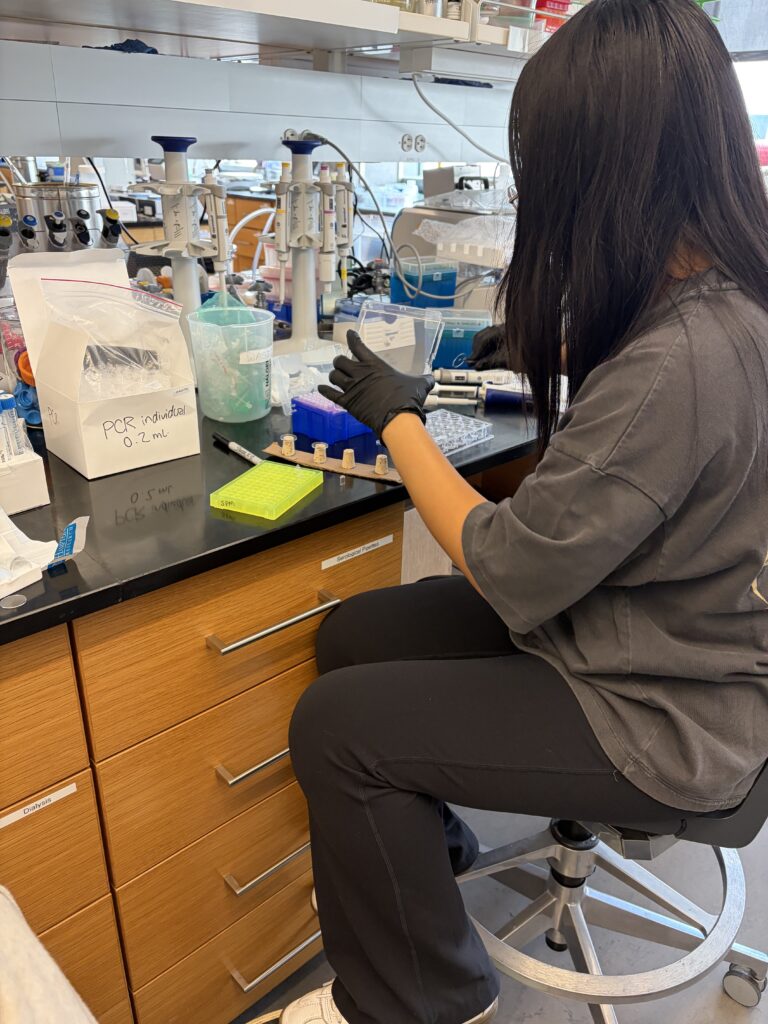
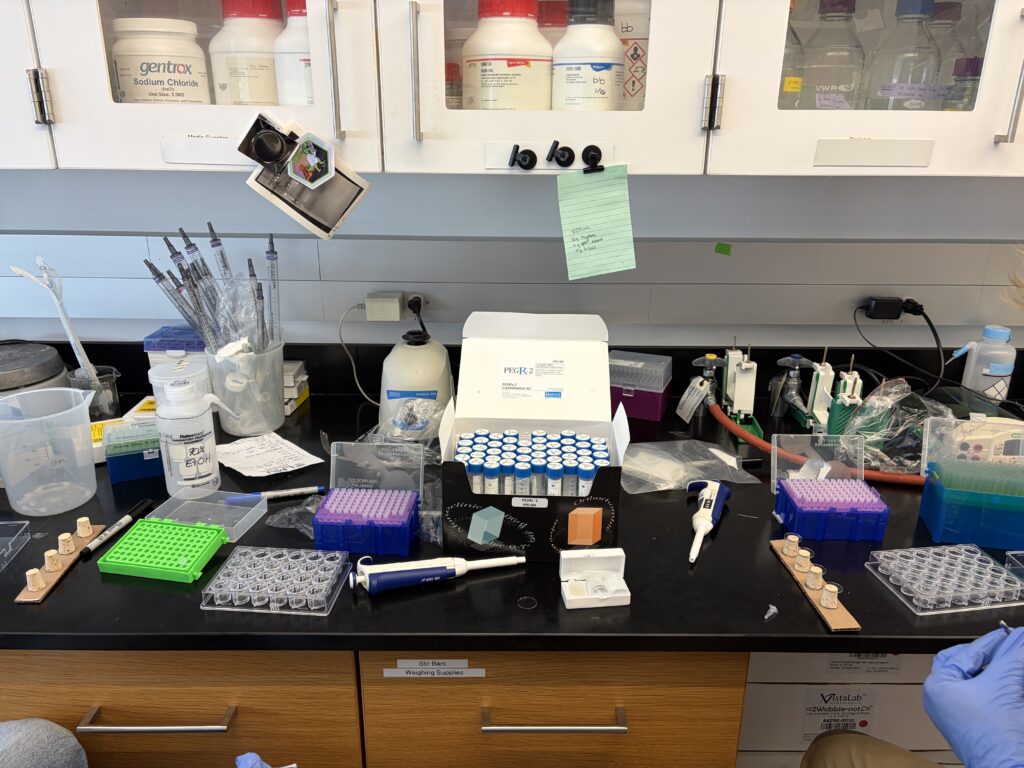
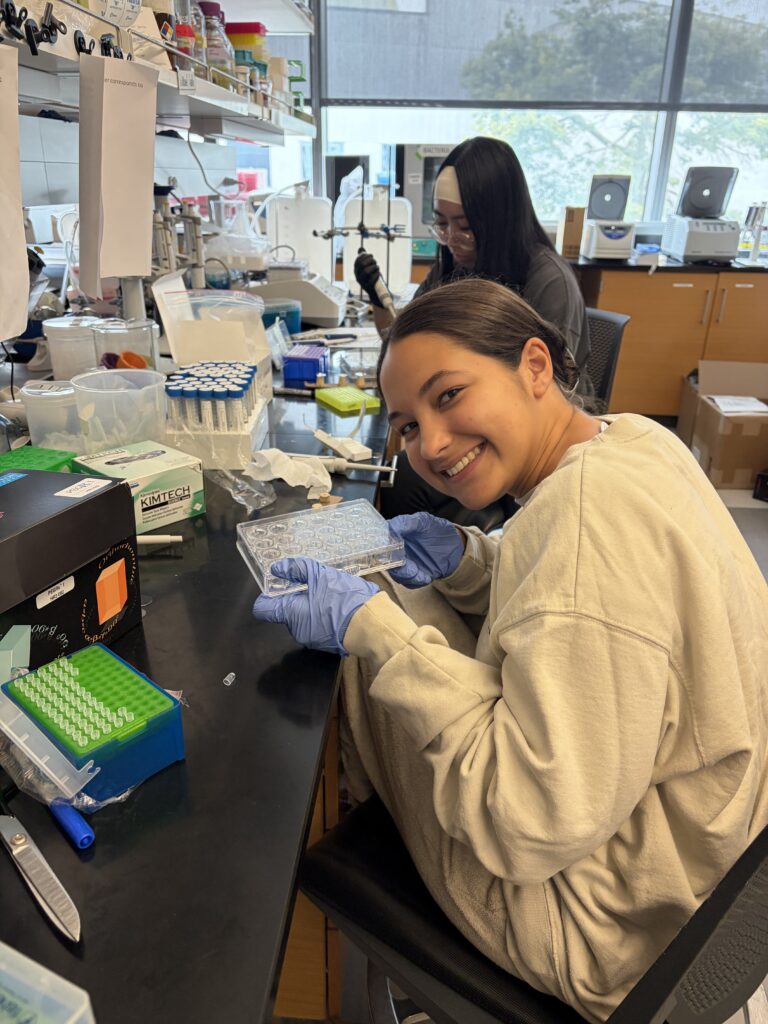
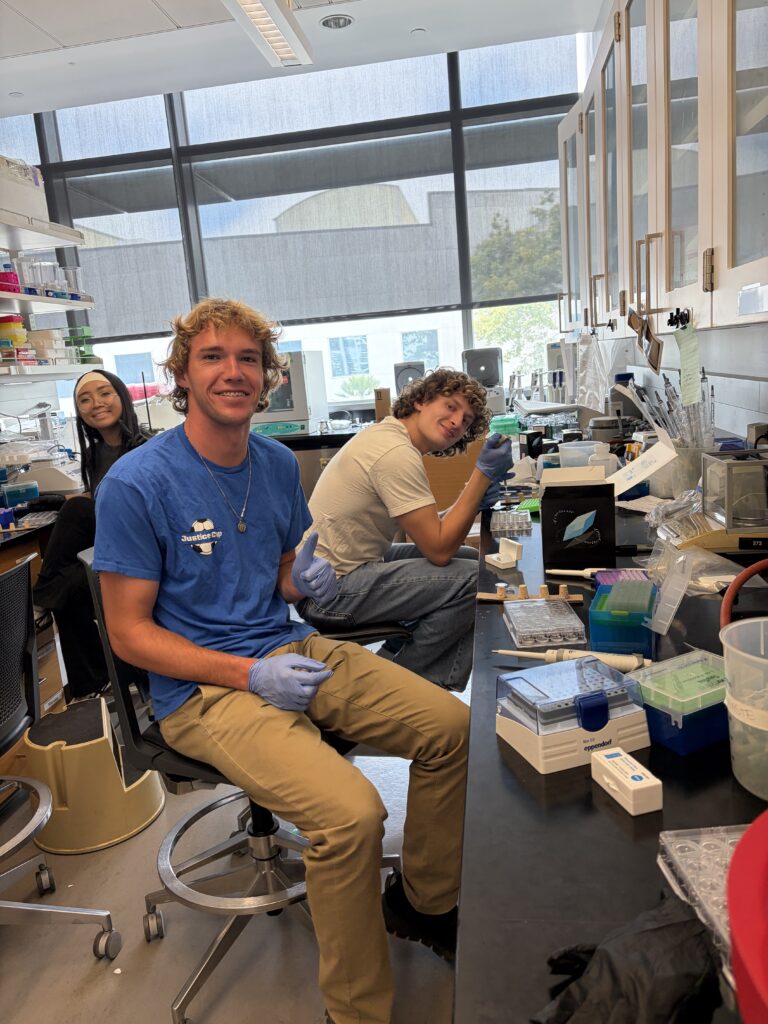
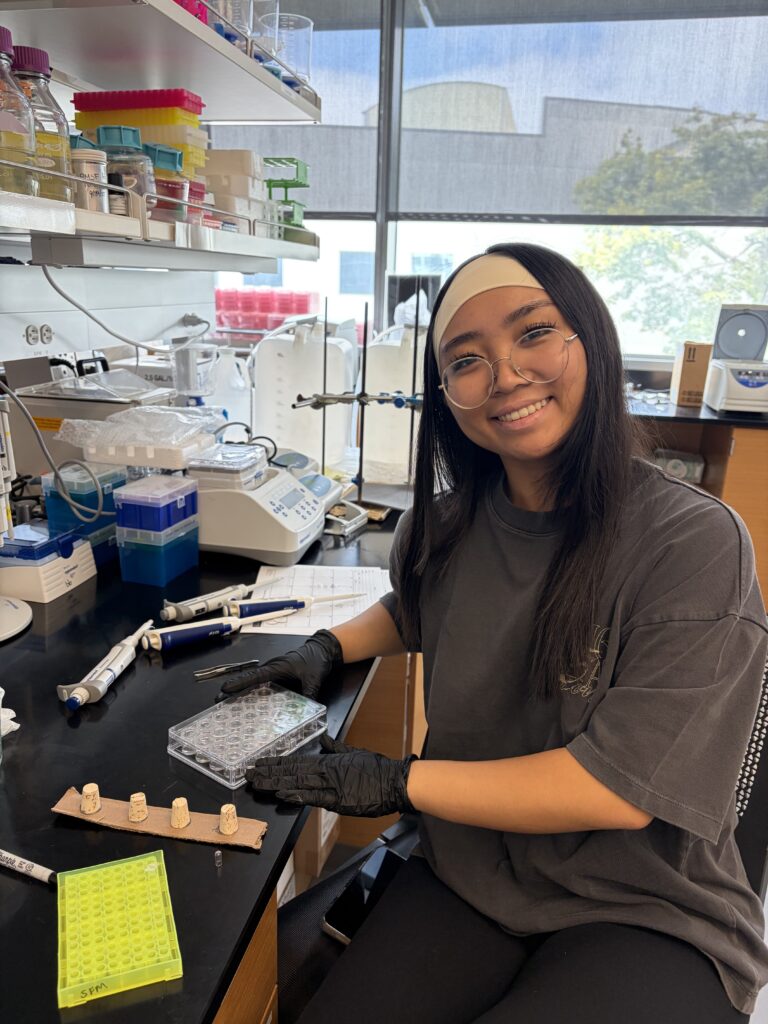
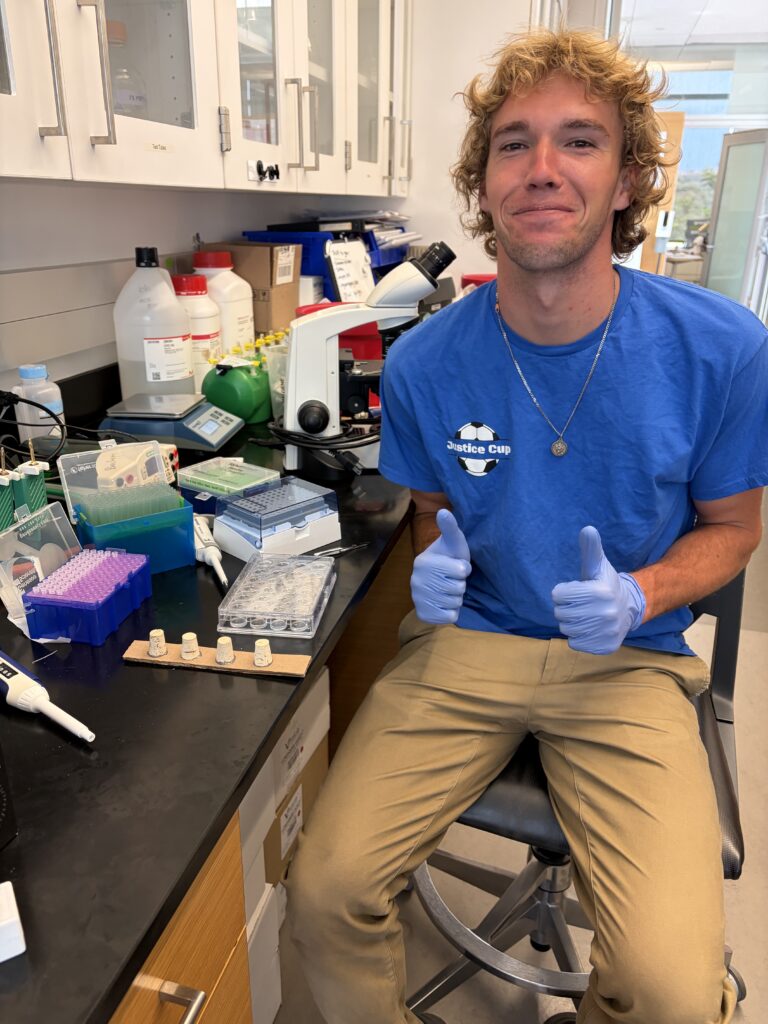
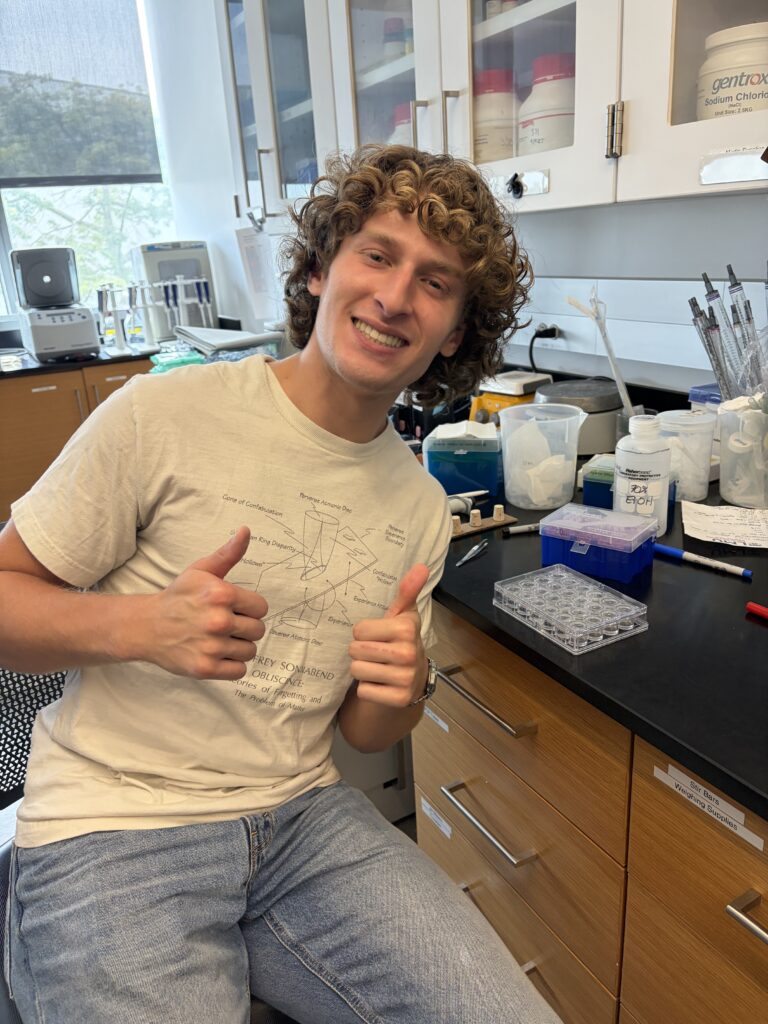
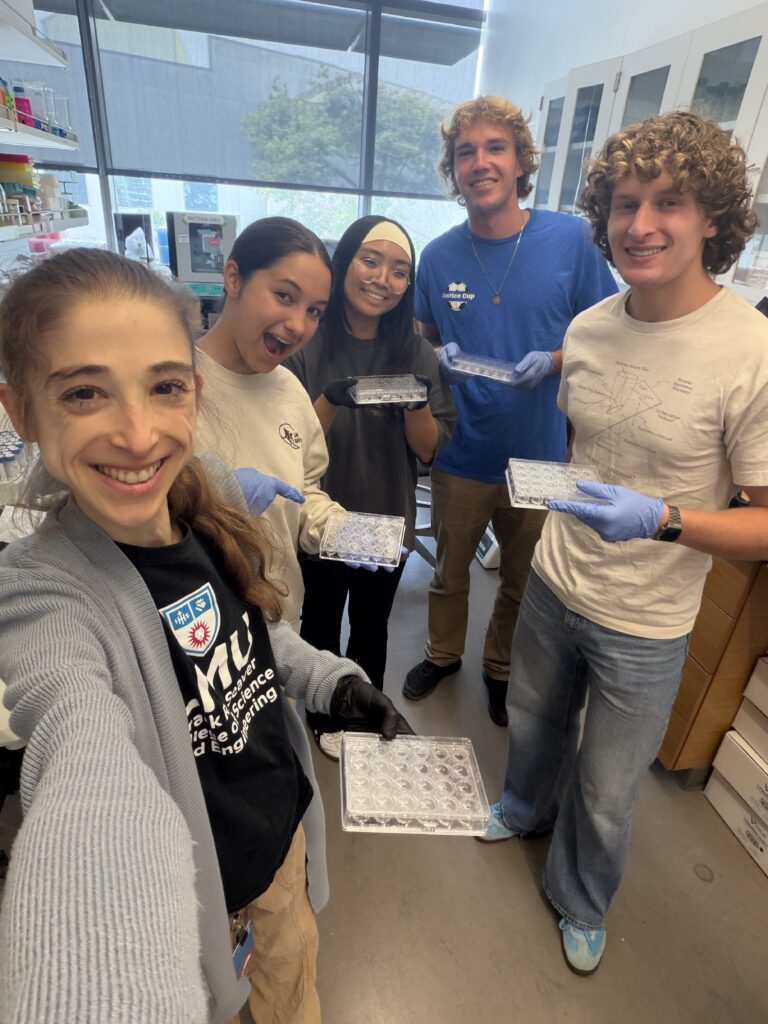
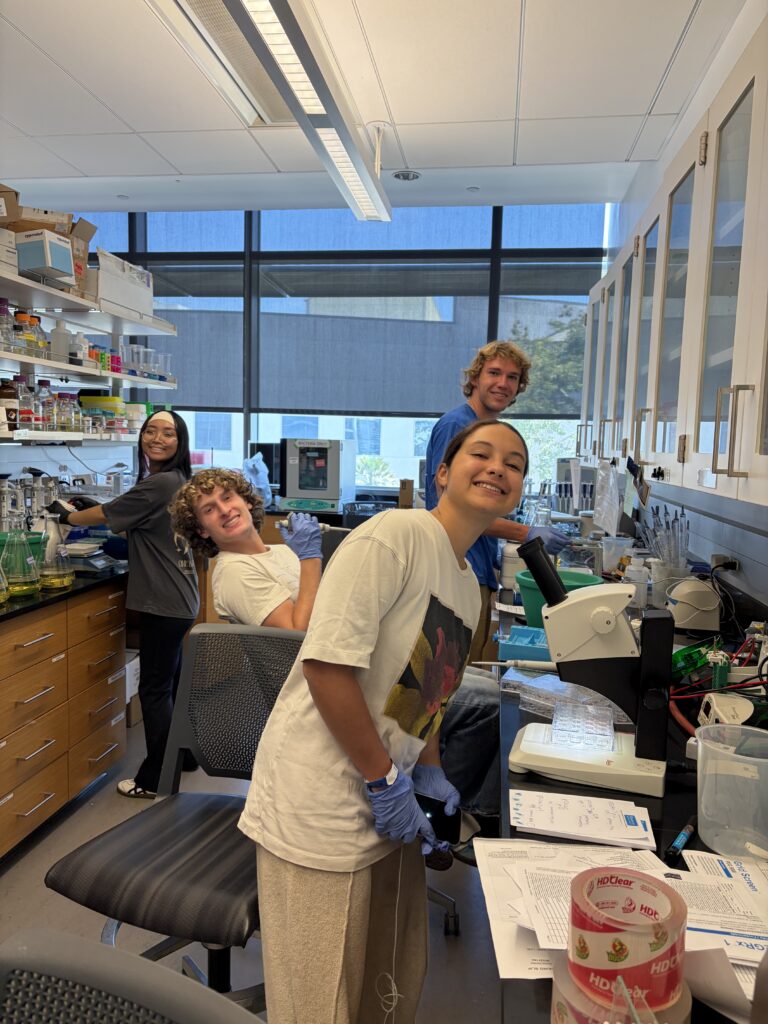
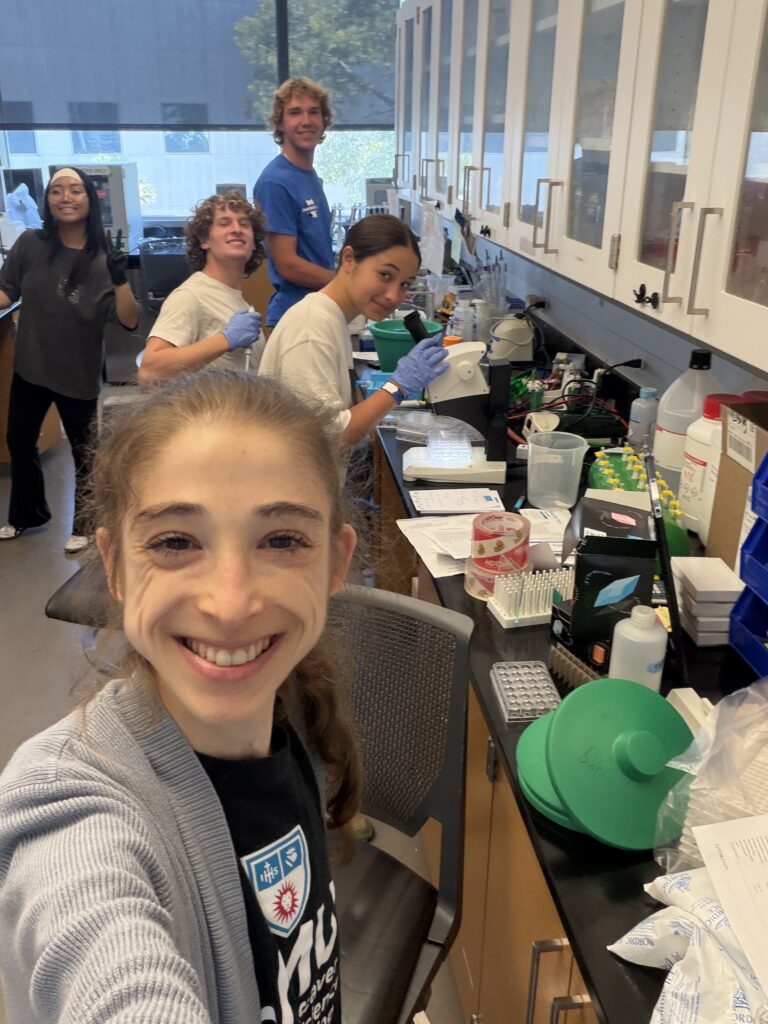
The Bibel lab’s first home-grown crystals! After grad school, I never thought I’d have the opportunity to do crystallography again so I am beyond thrilled that not only do I get to do it again, but to introduce students to it as well! Ah the beauty of a crystallization tray well 🙂 (at least some of them :P)
We started with hanging drop vapor diffusion with PEGRx and GridScreen PEG6000. More on vapor diffusion here: https://bit.ly/vapordiffusion
But I also have supplies for them to try sitting drop and microbatch in the future.
Much more here: https://bit.ly/gettingcrystals
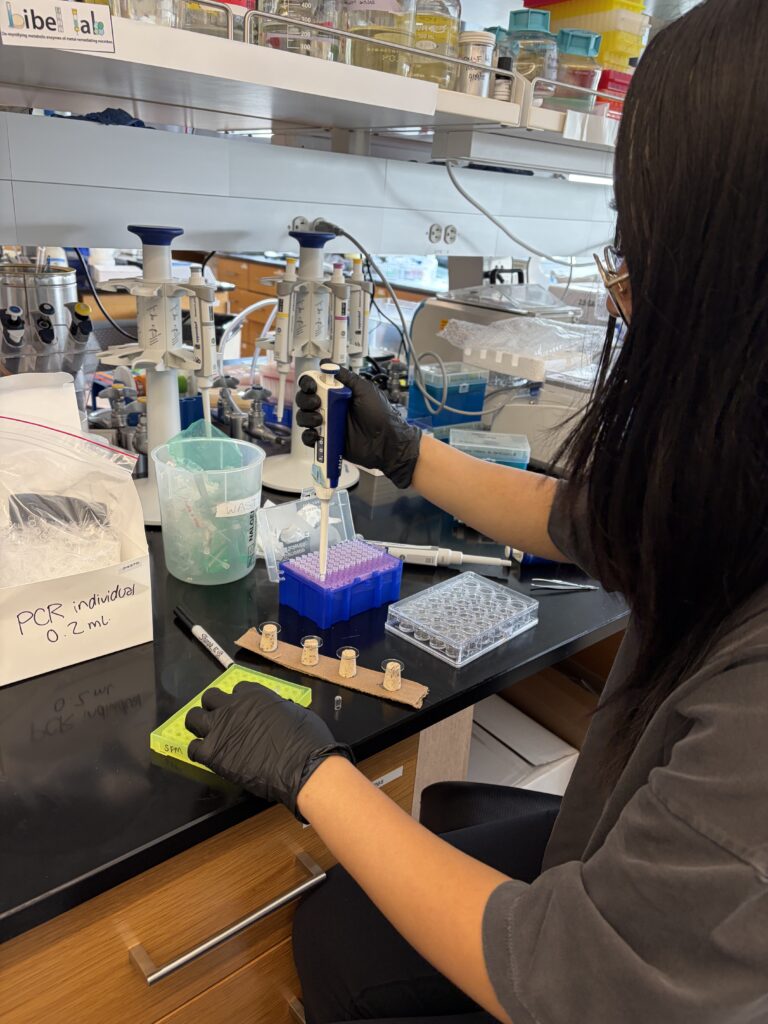
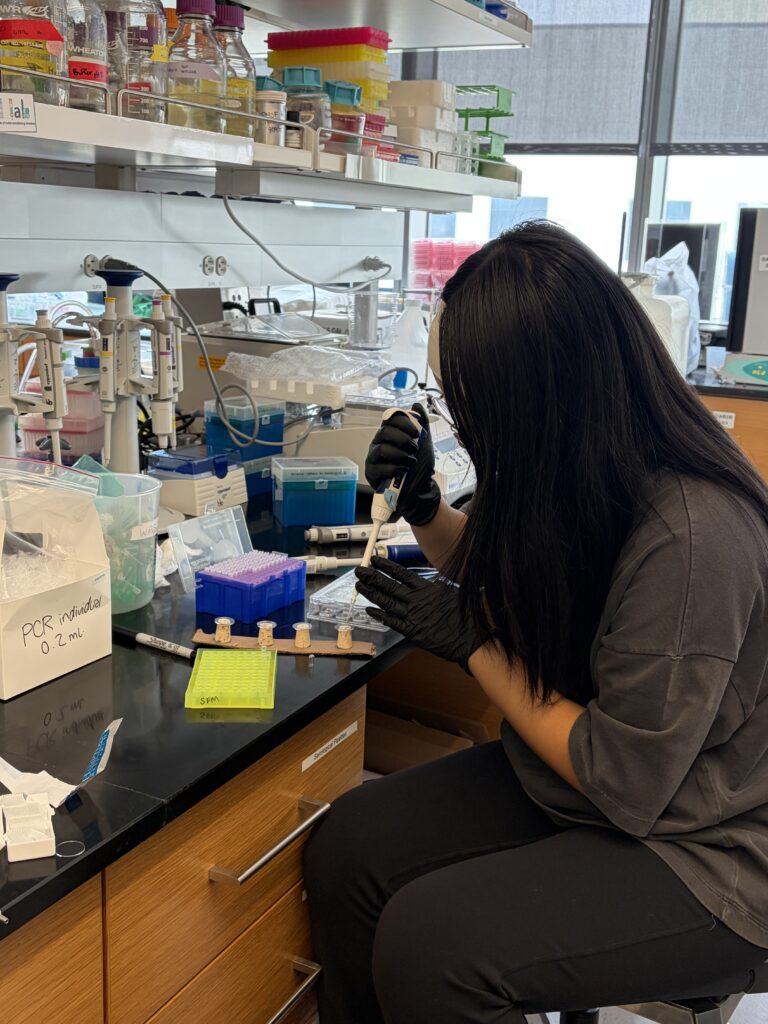
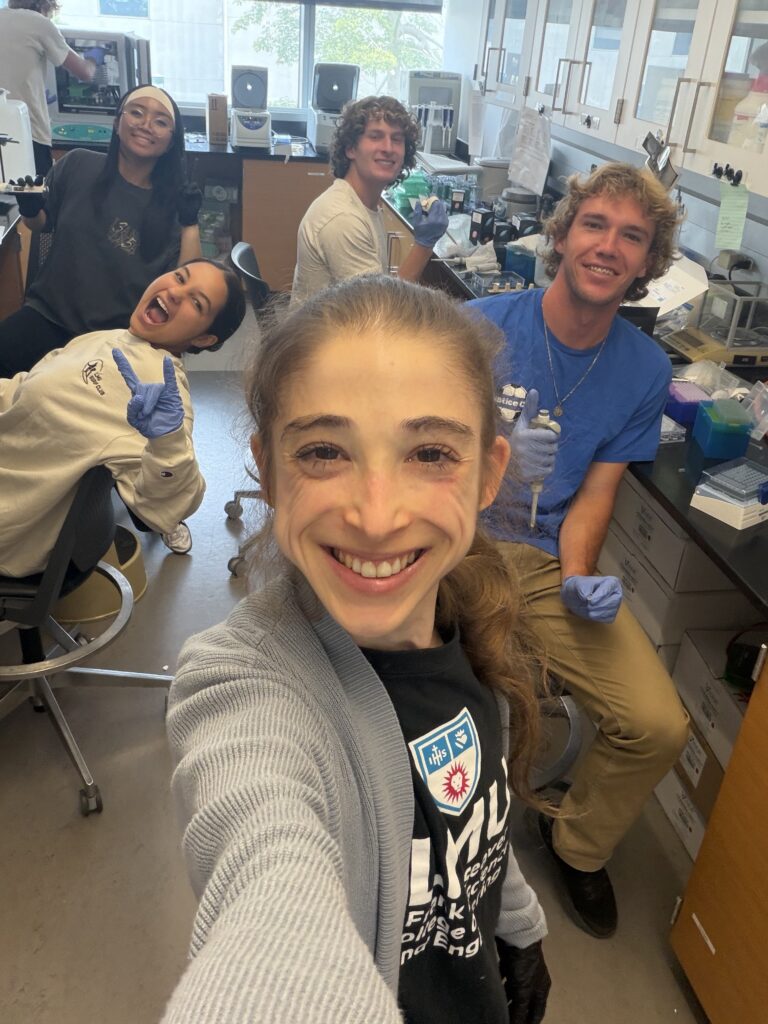
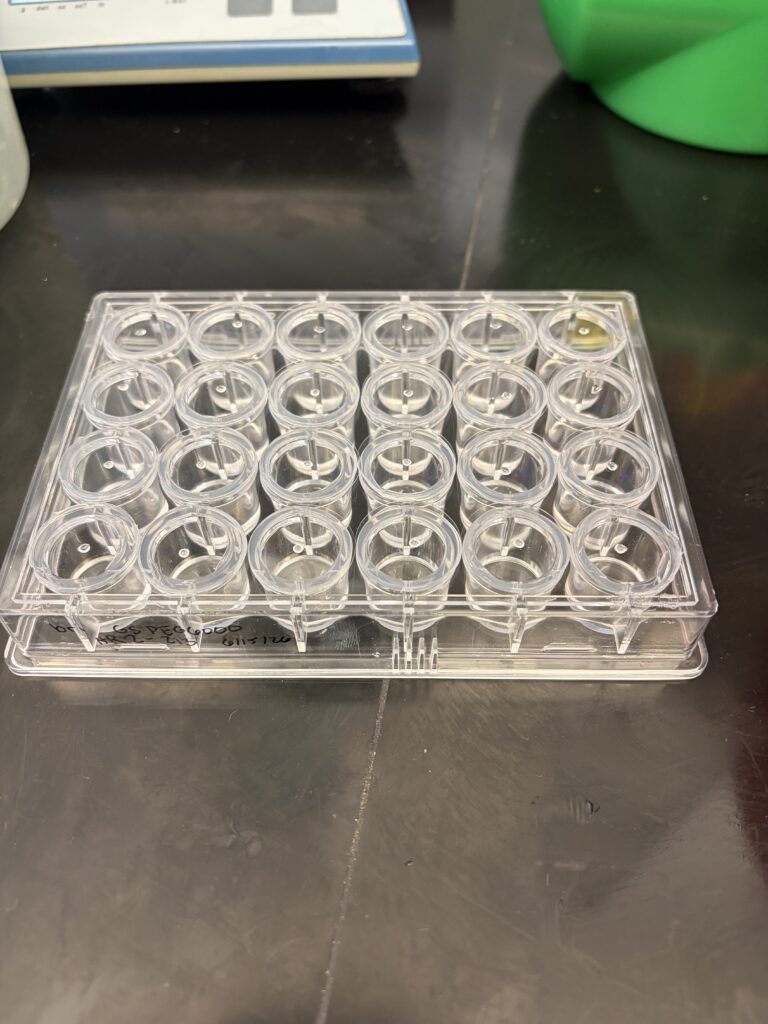
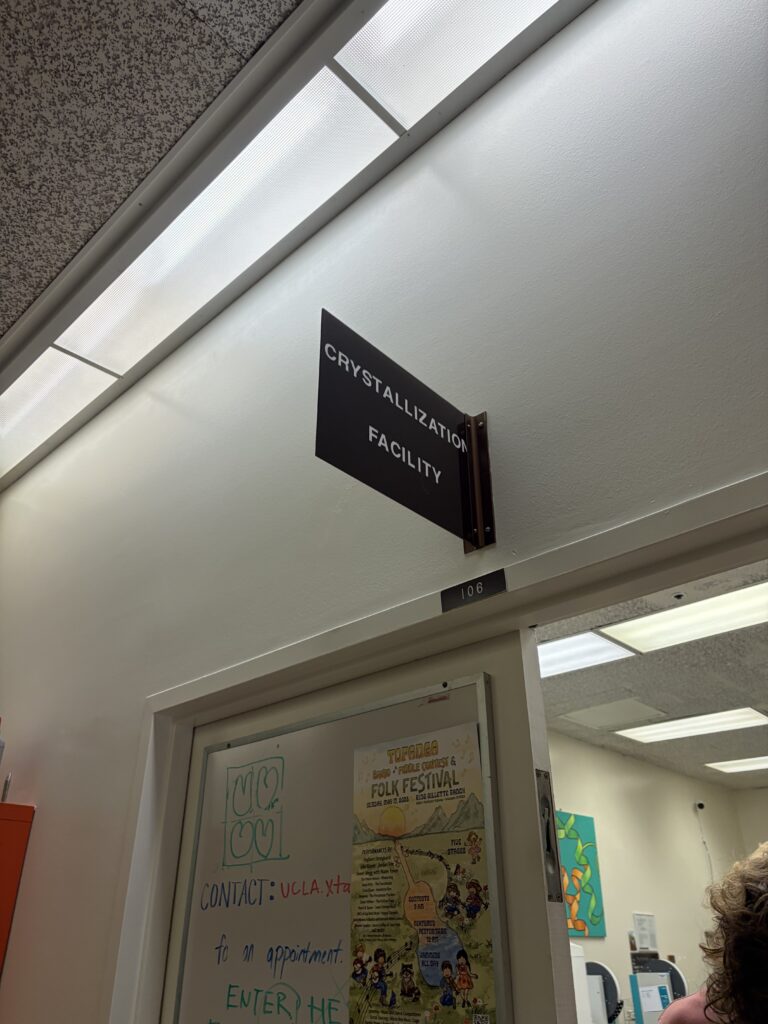
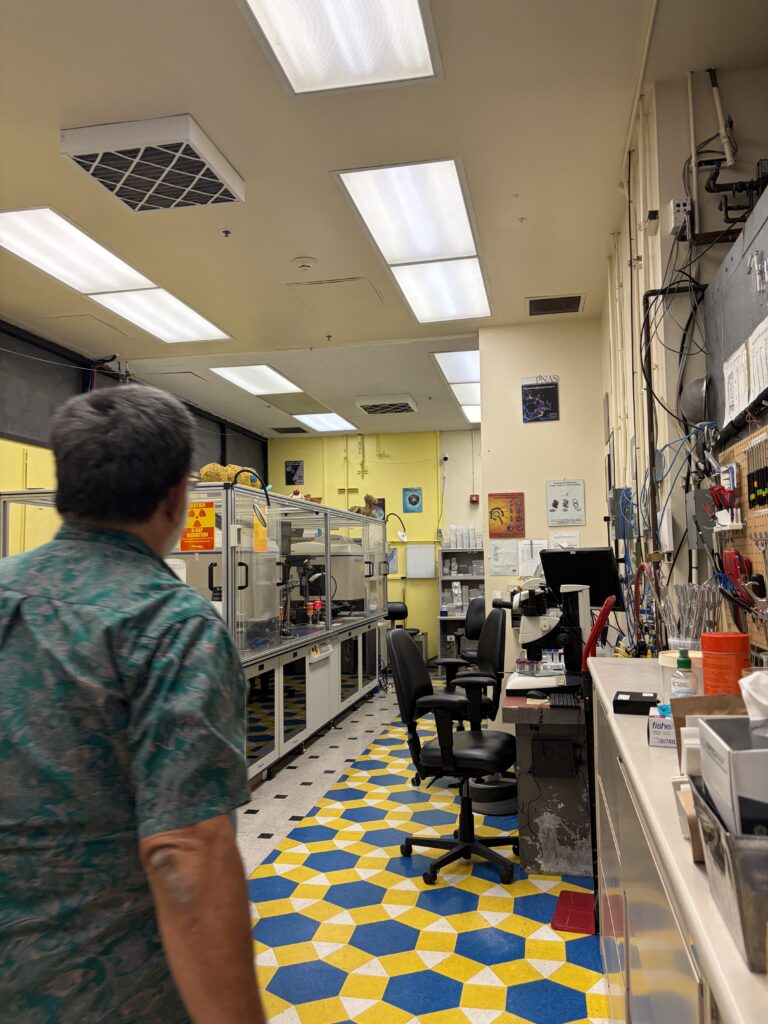
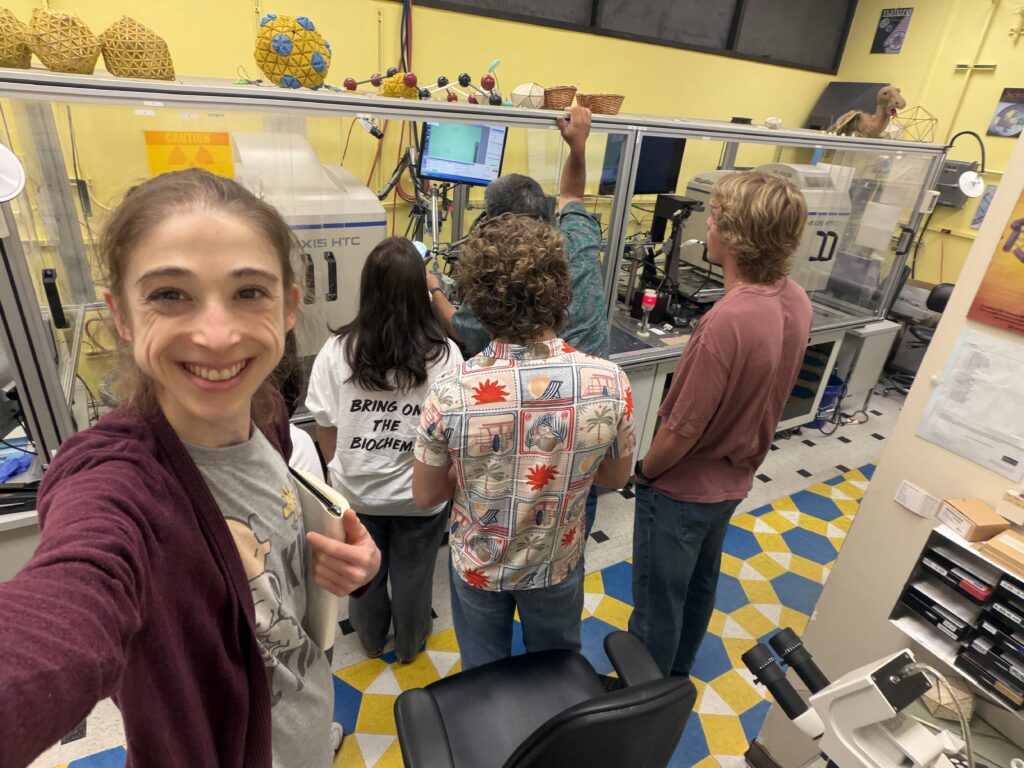
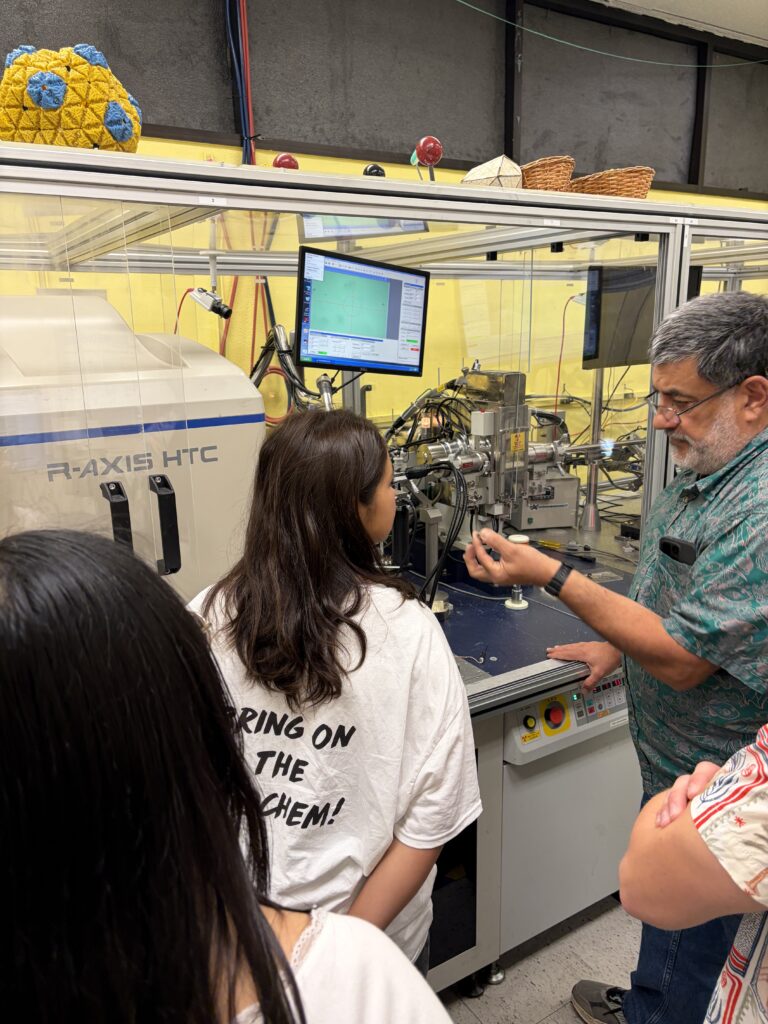
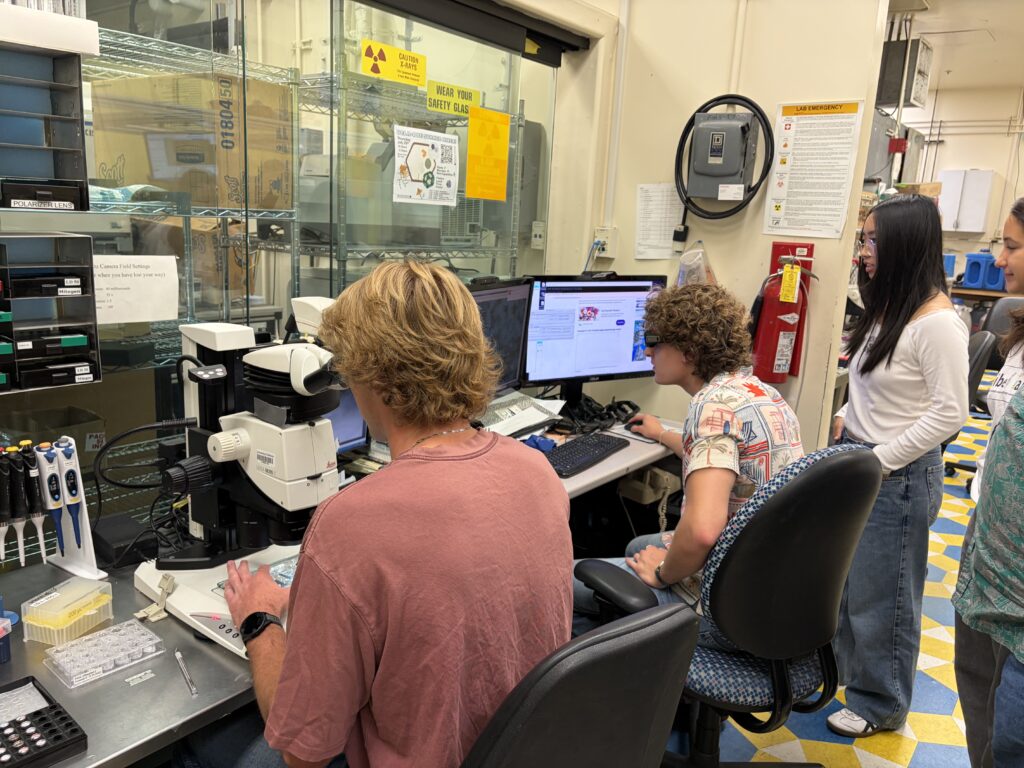
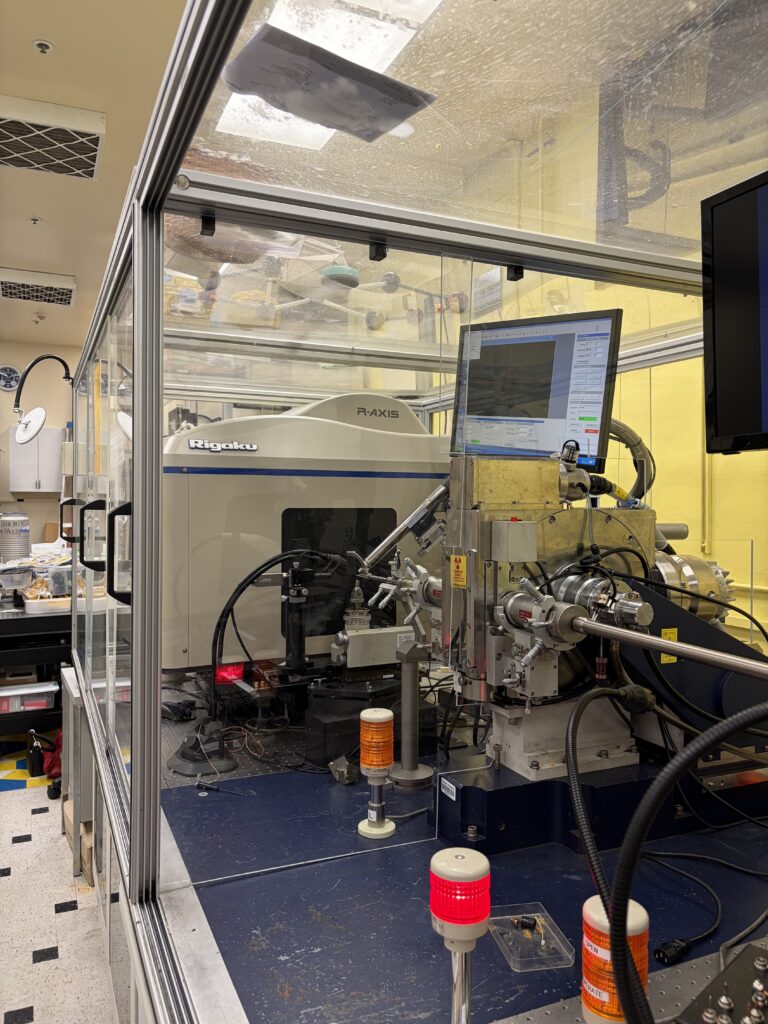
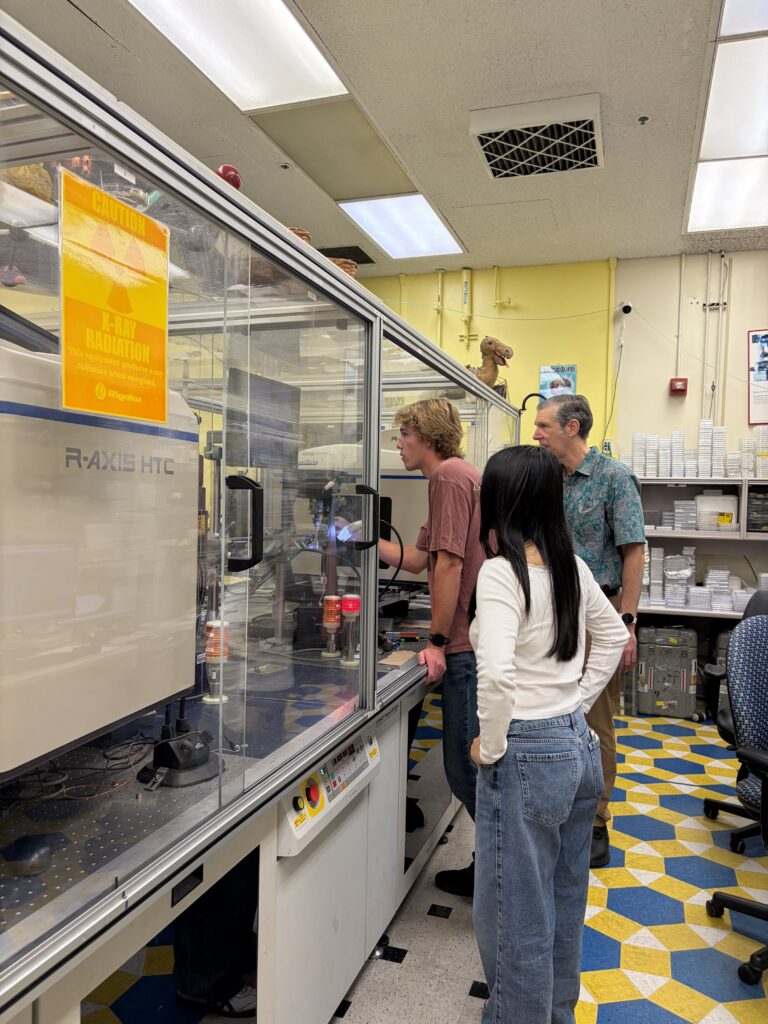
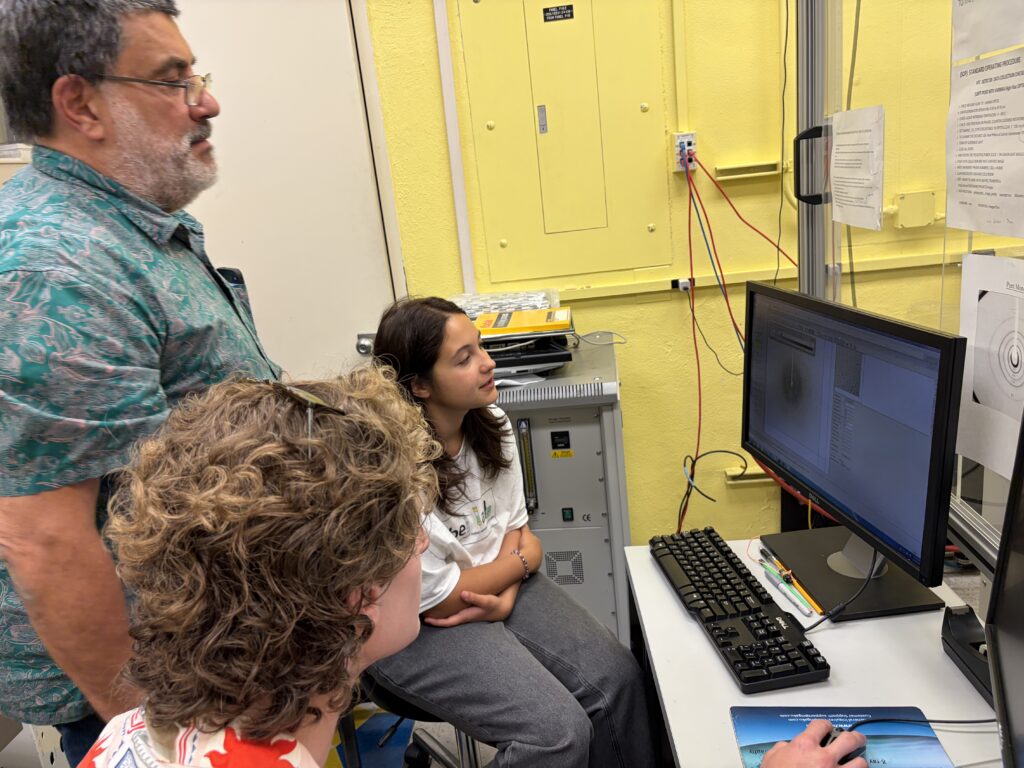
6/12/26: The Bibel lab visits UCLA’s crystallography Facilities
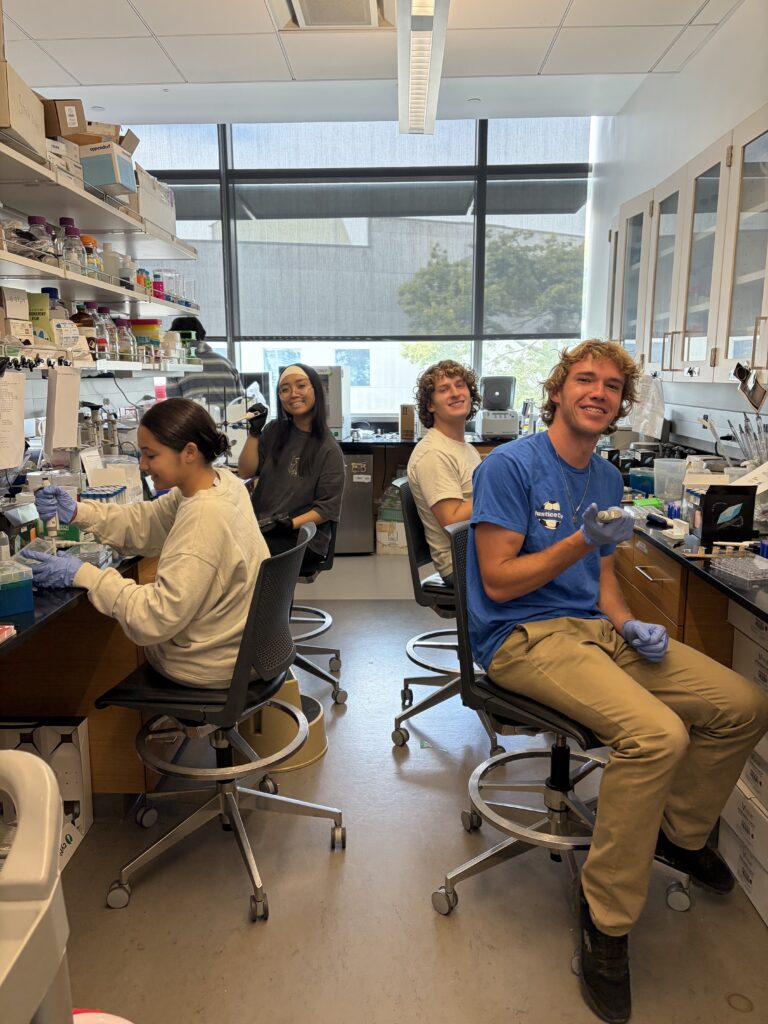
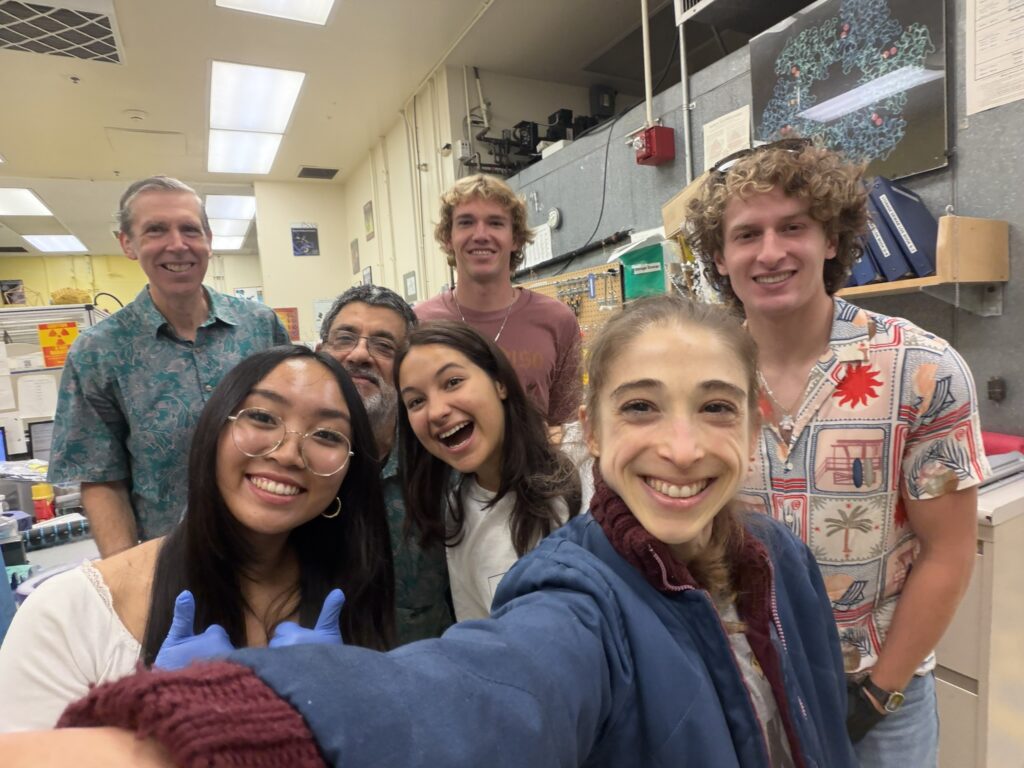
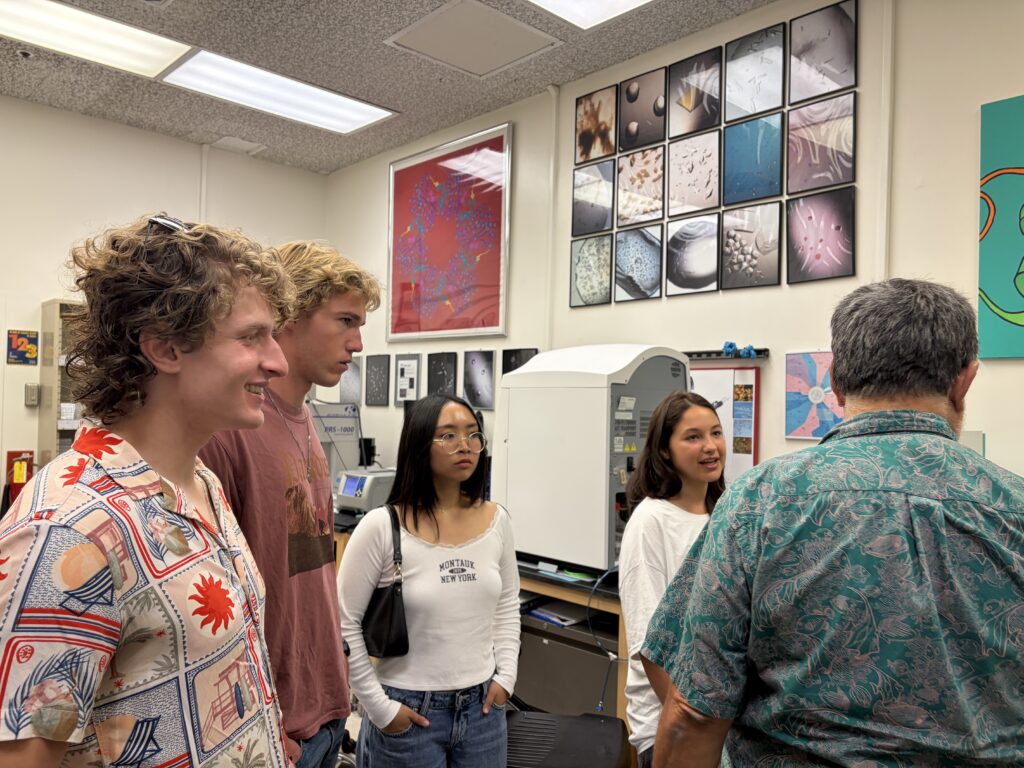
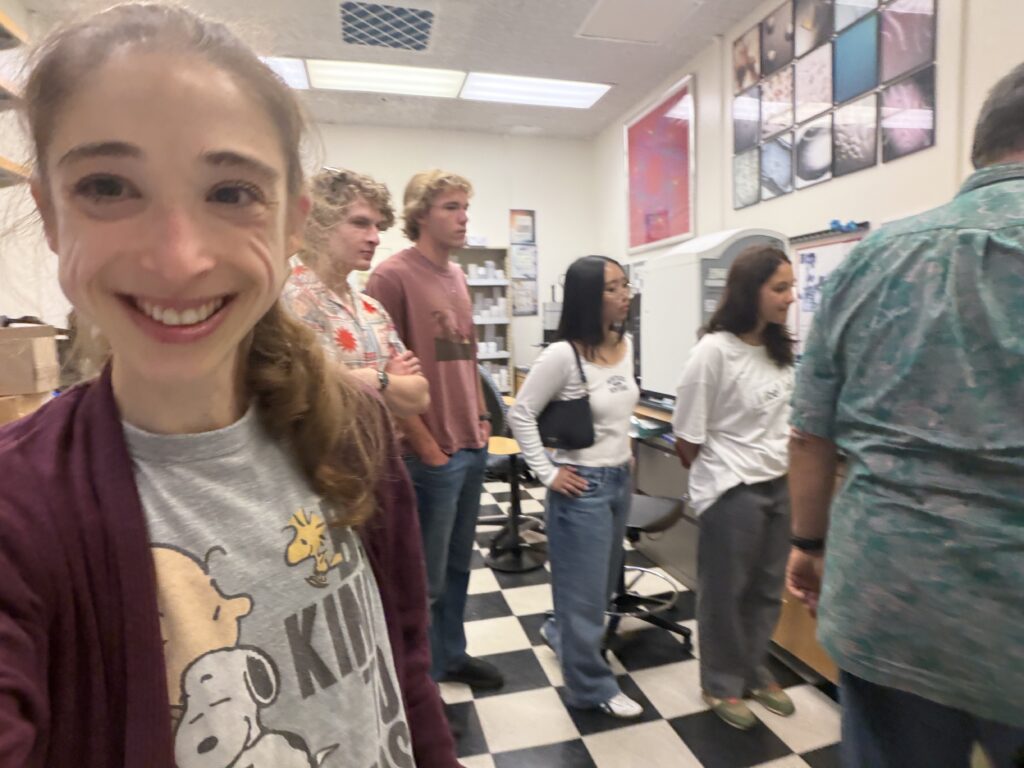
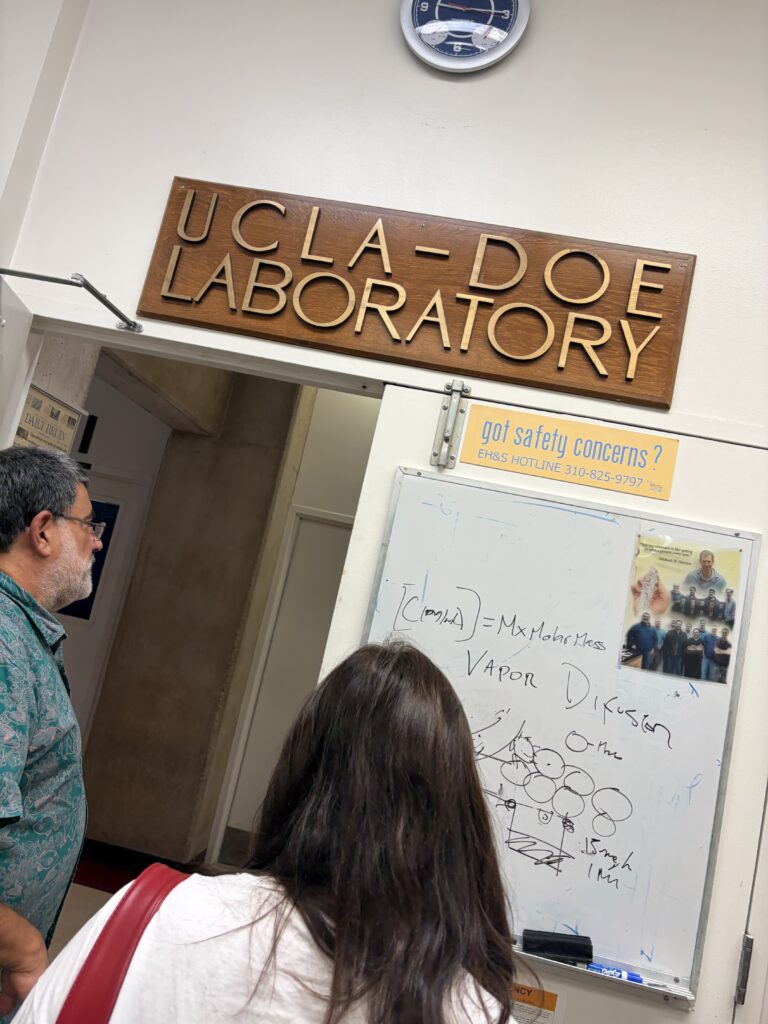
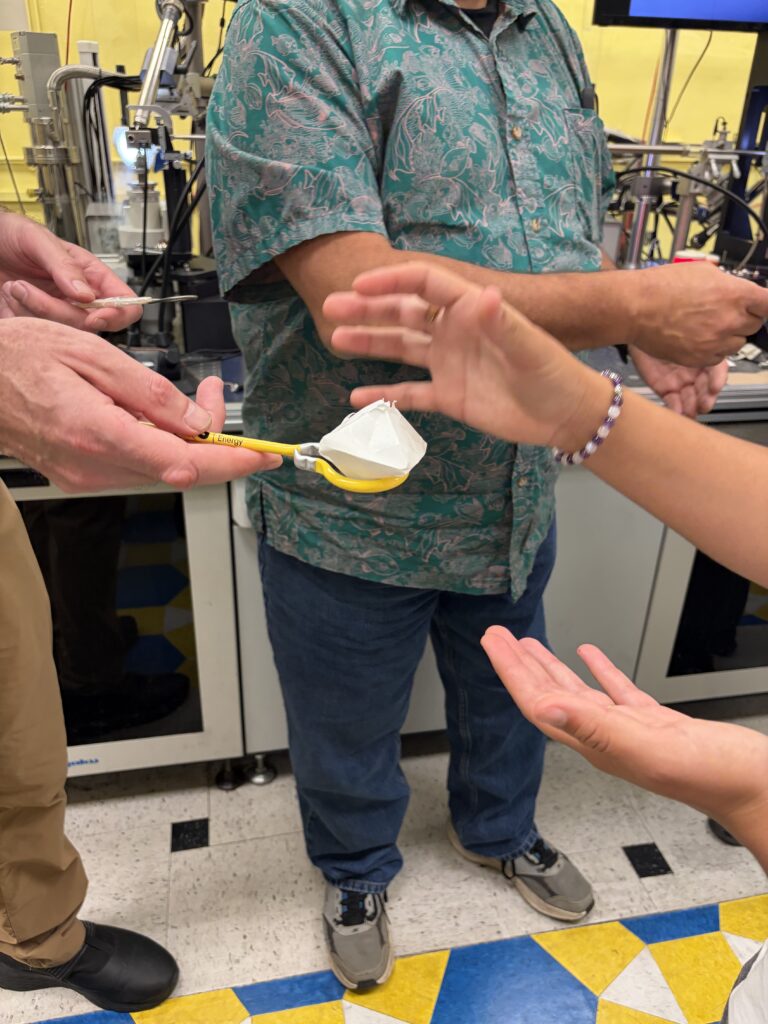
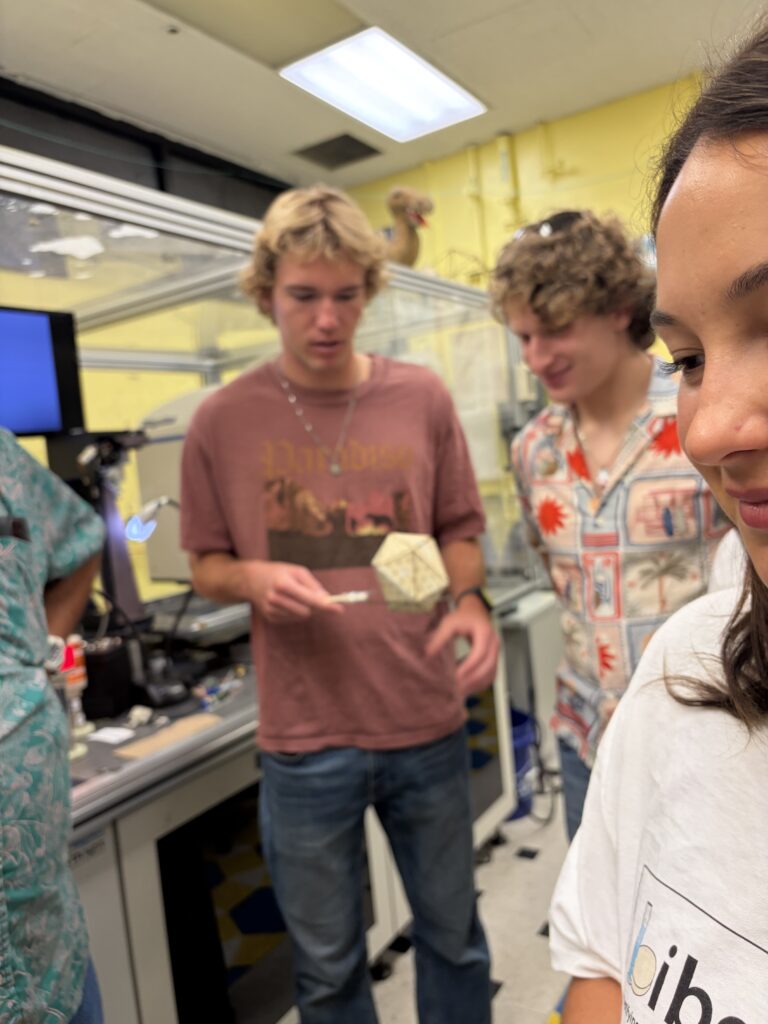
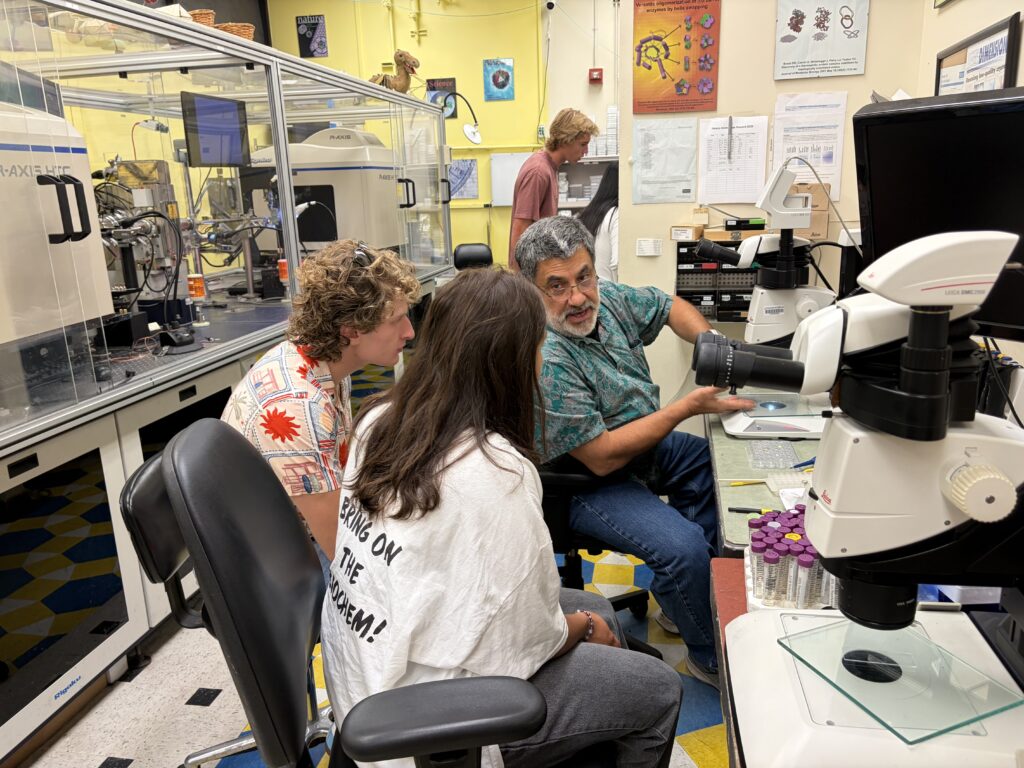
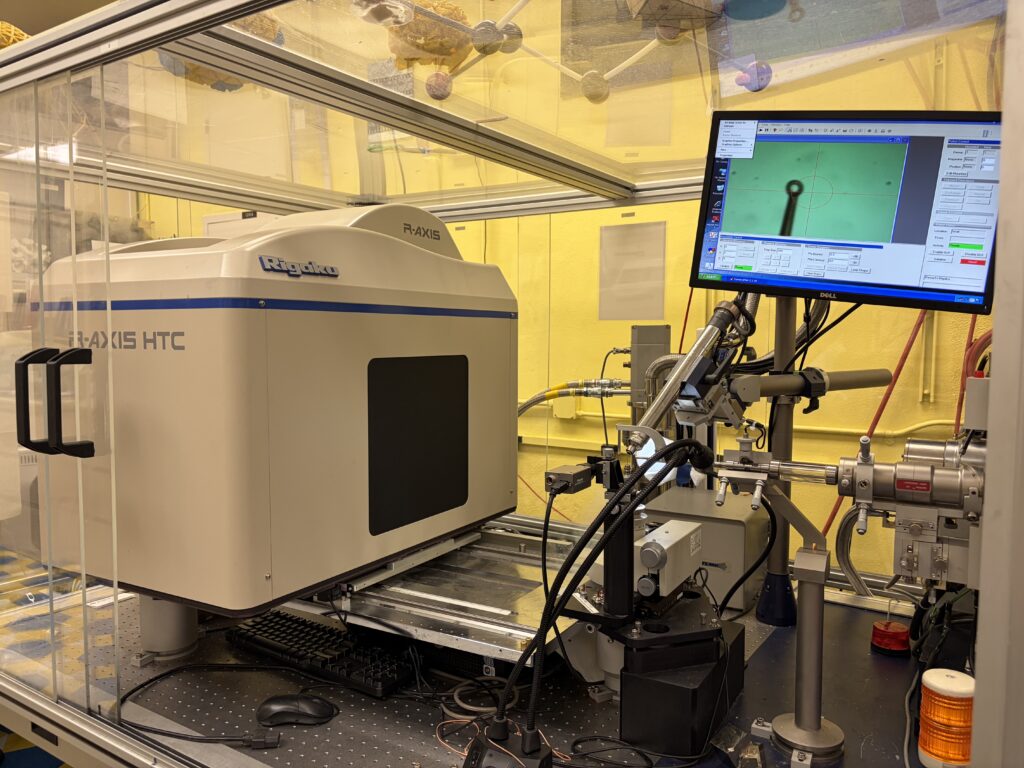
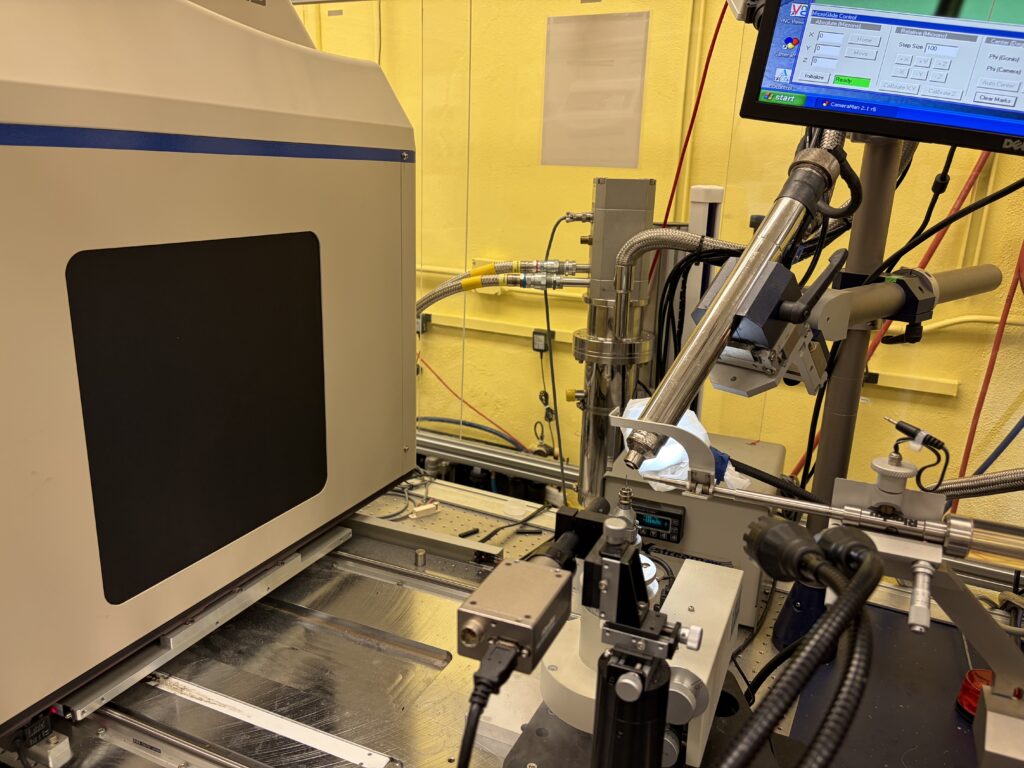
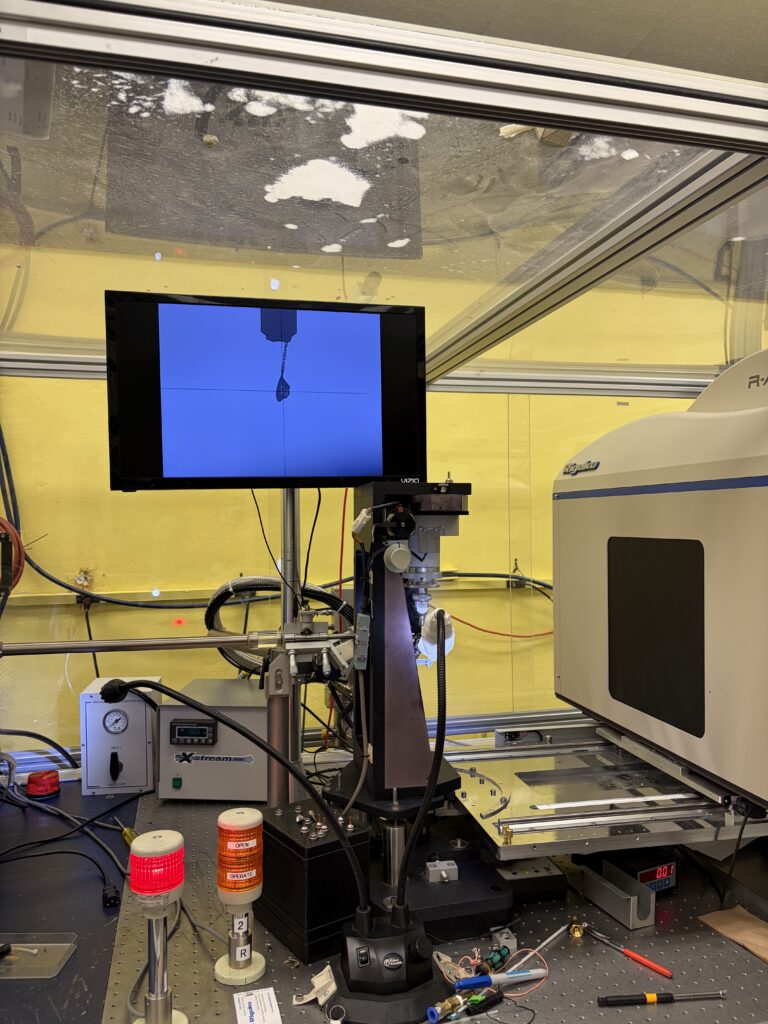
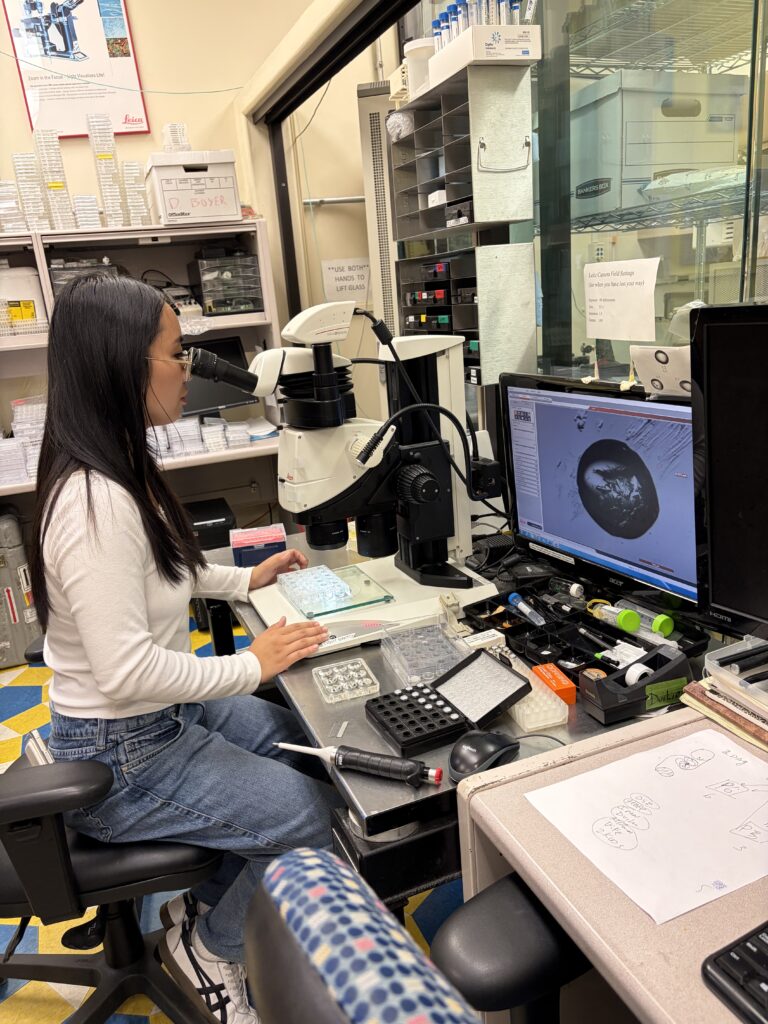
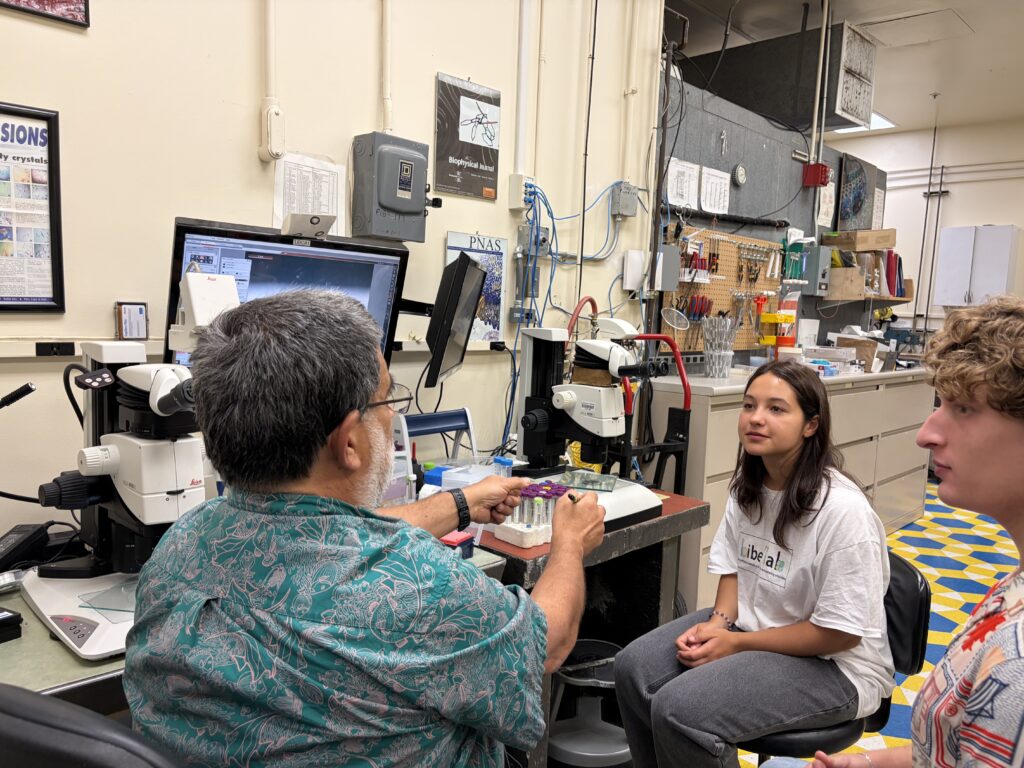
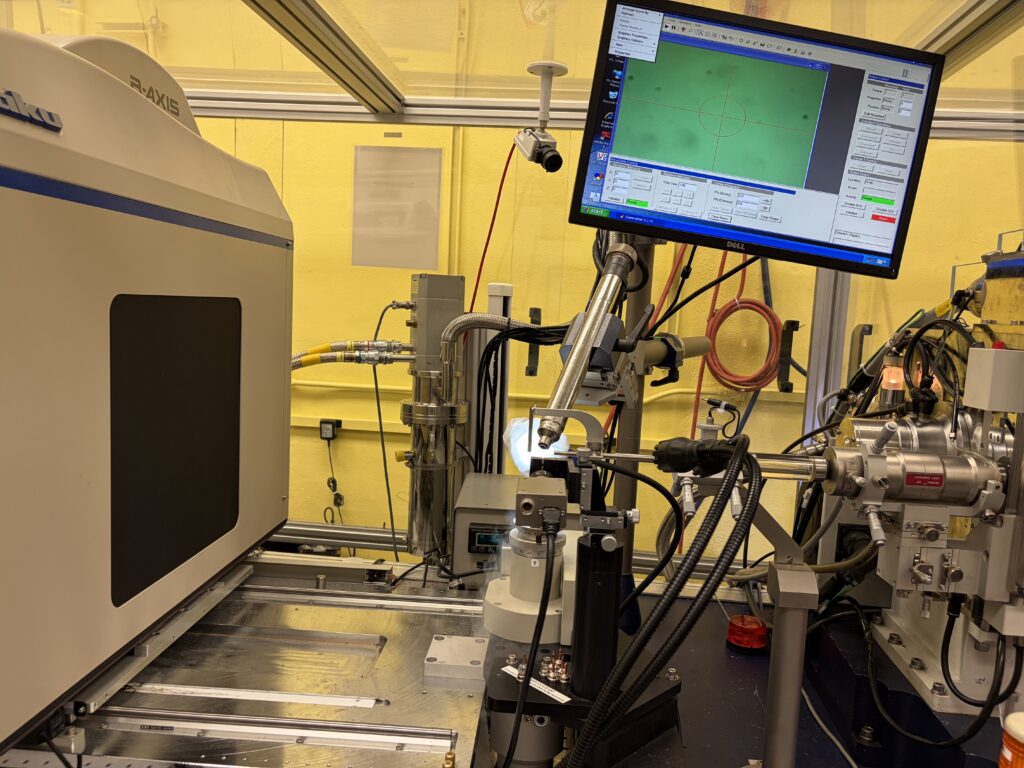
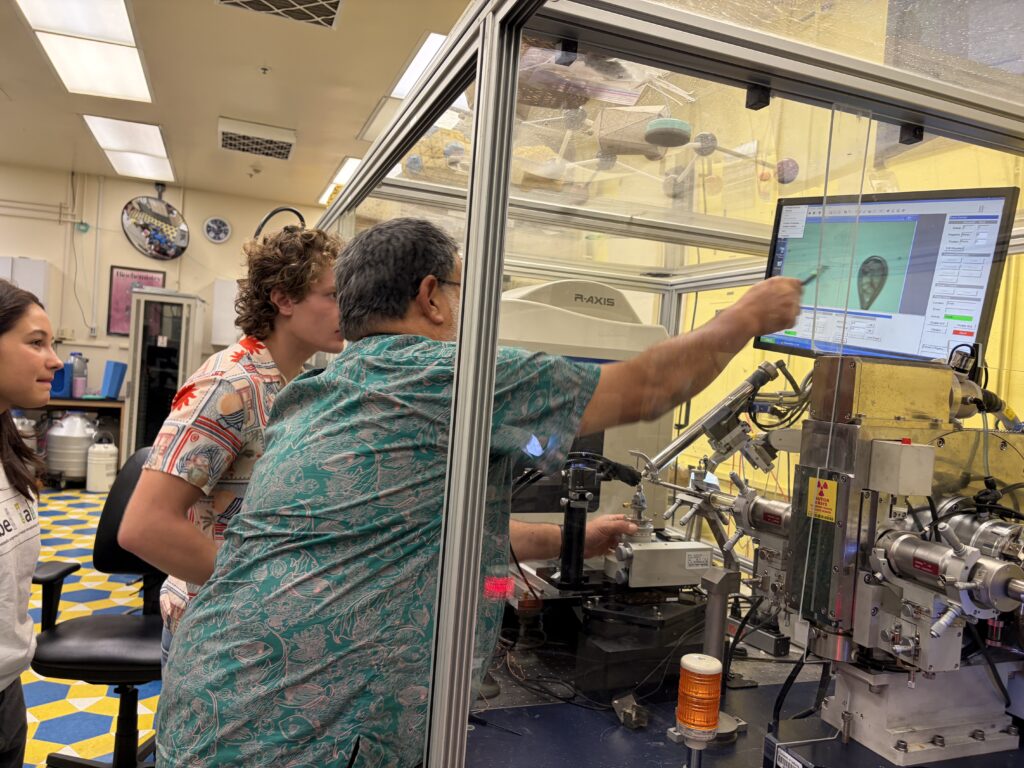
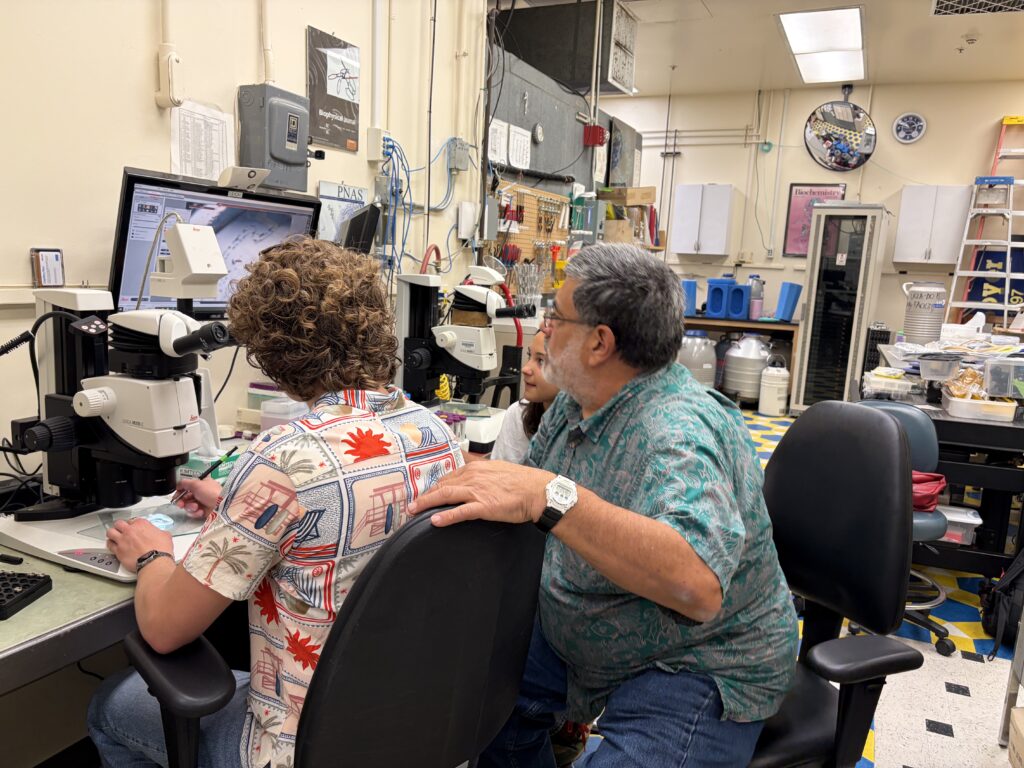
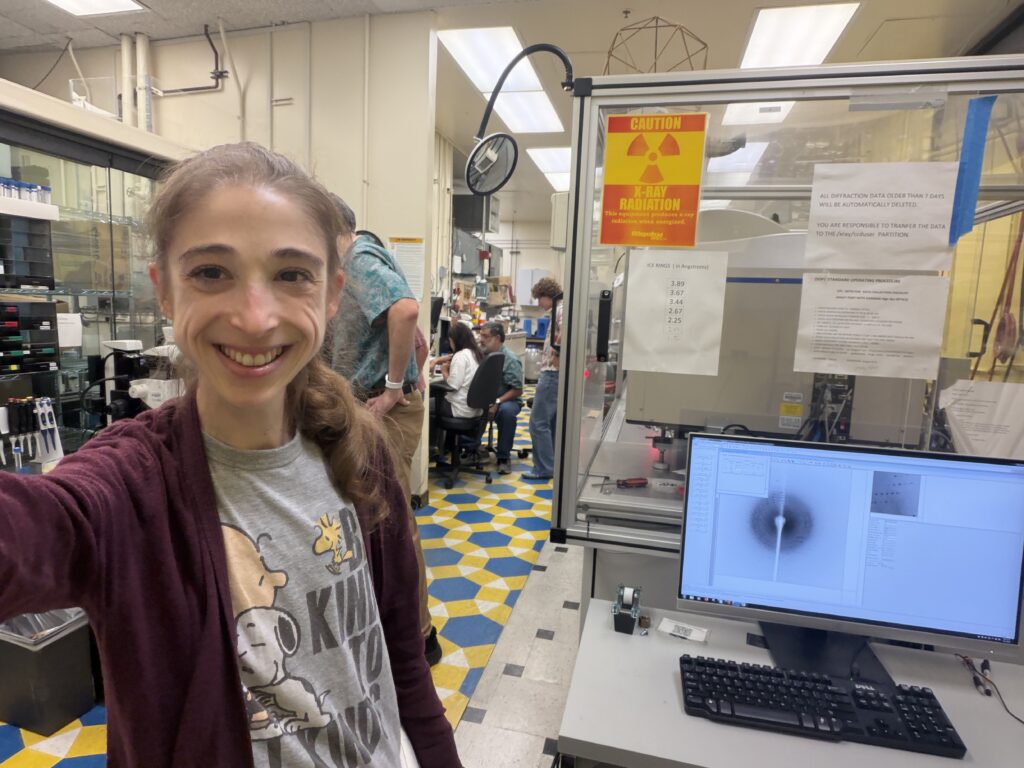
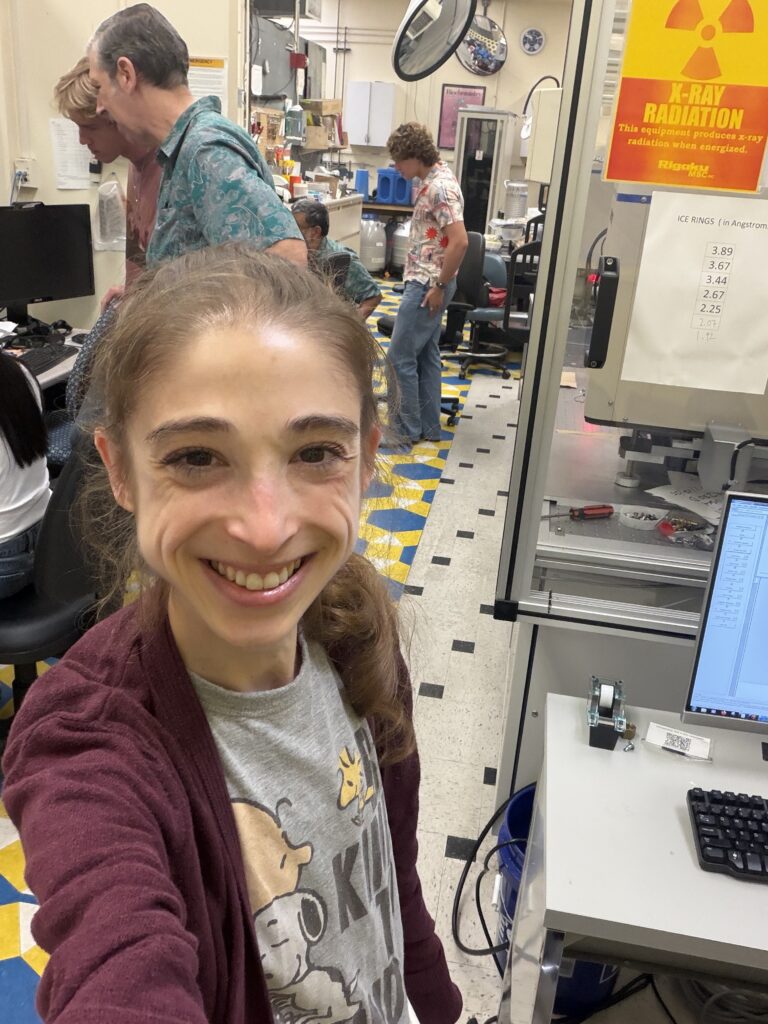
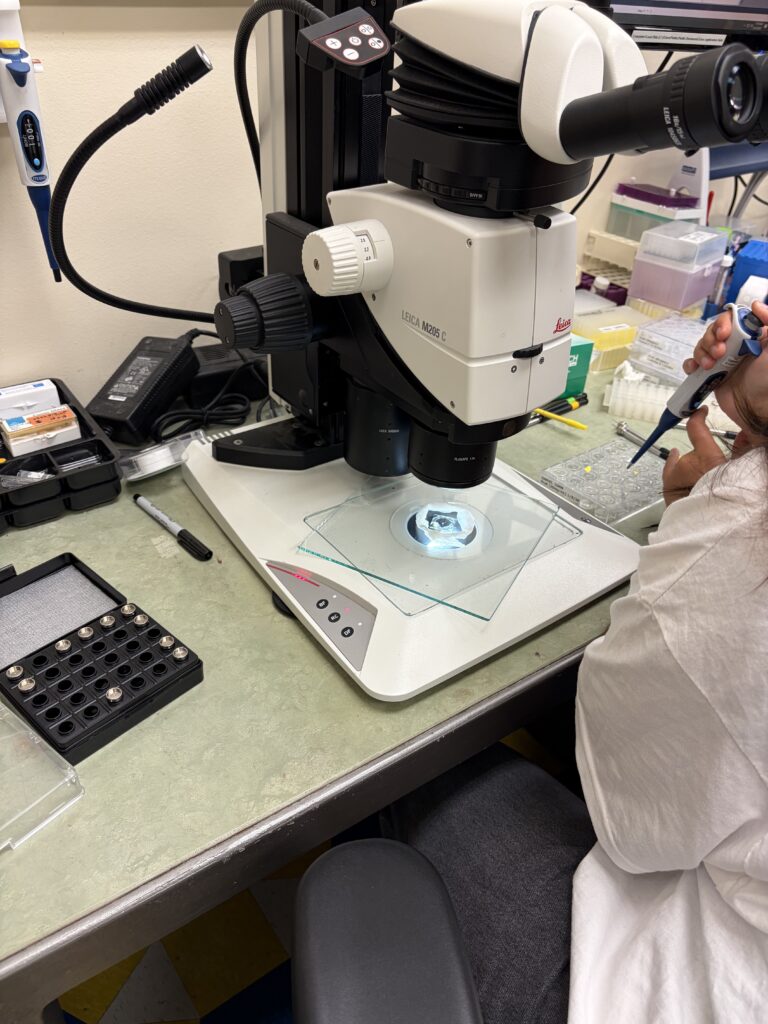
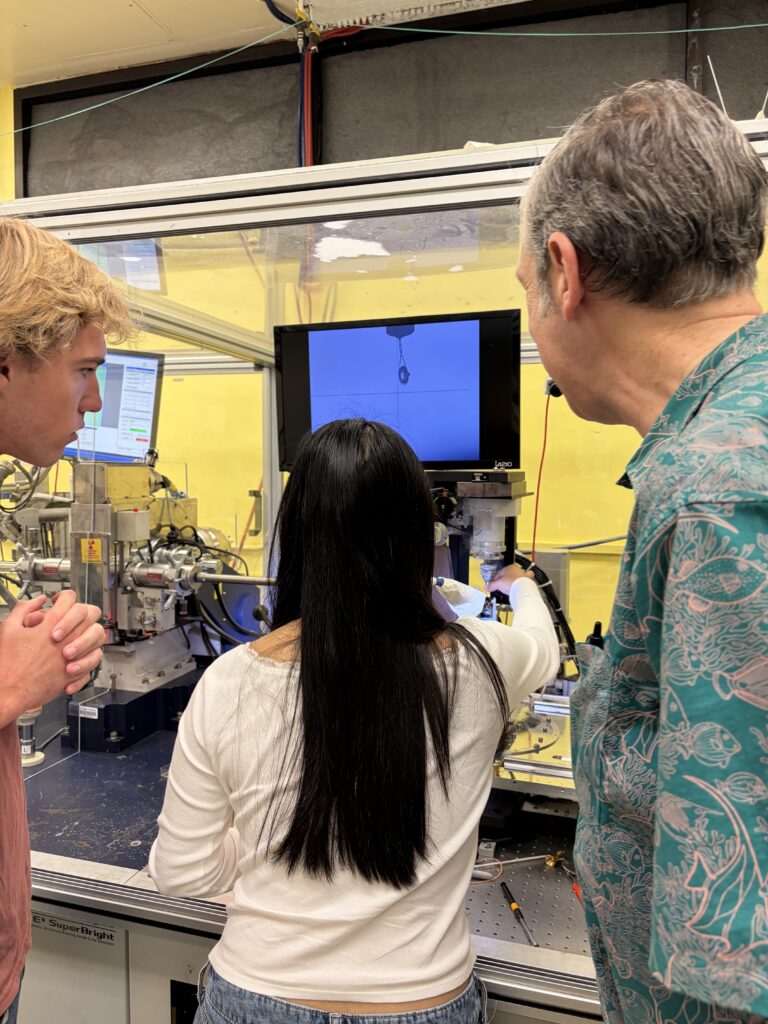
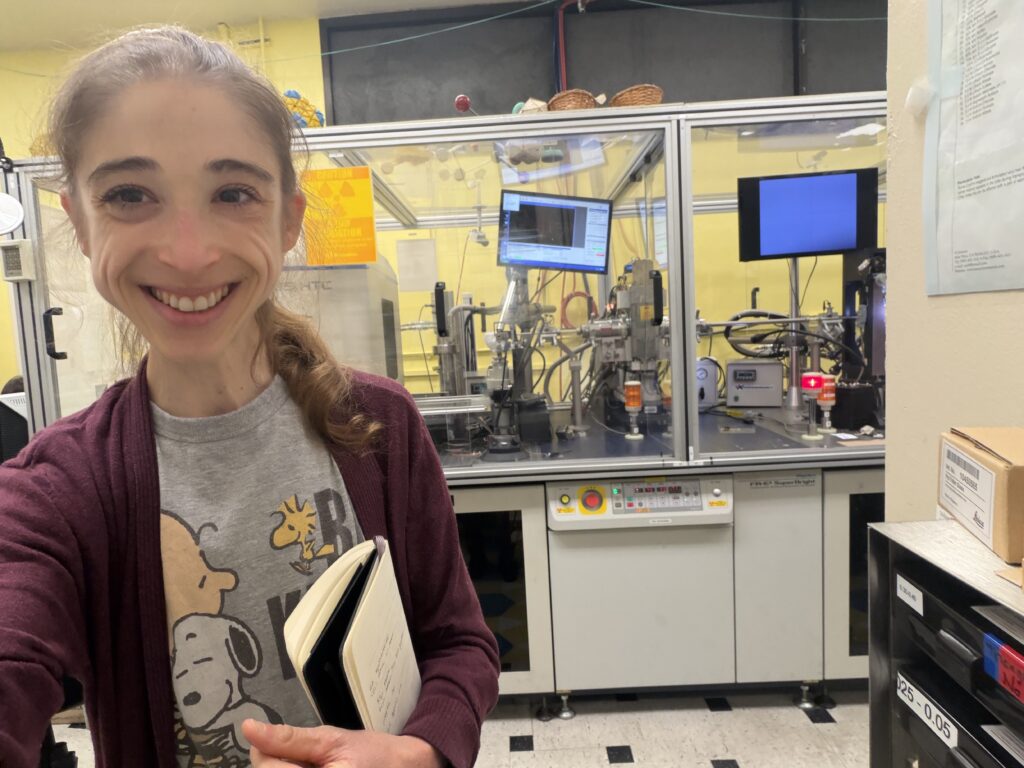
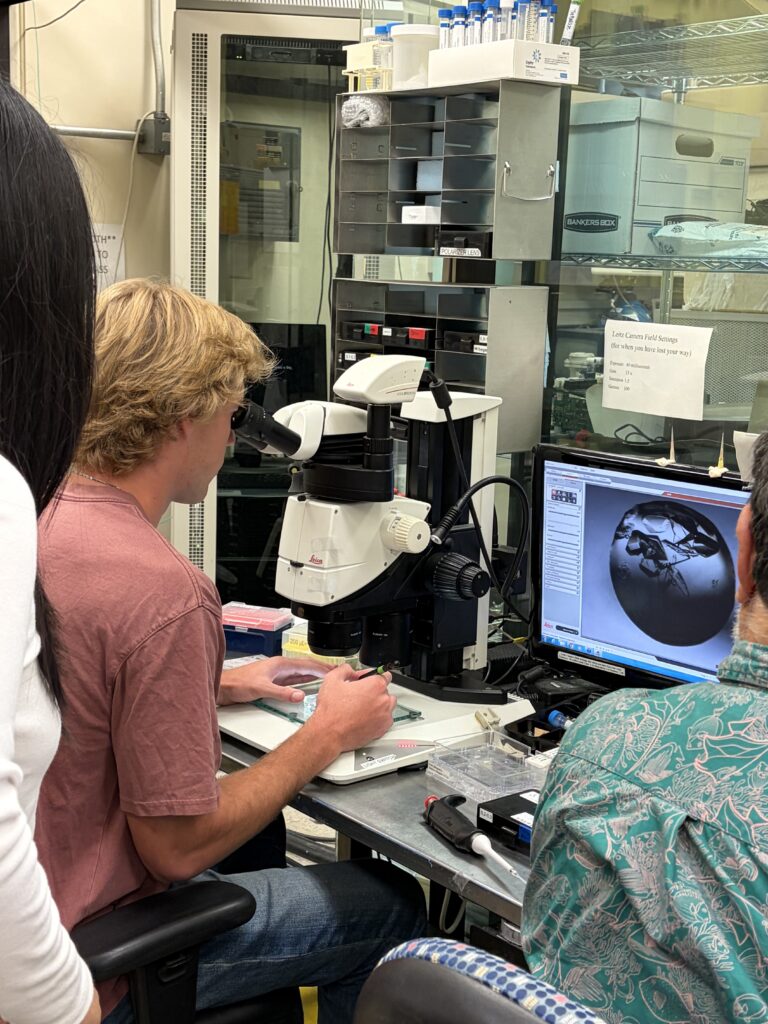
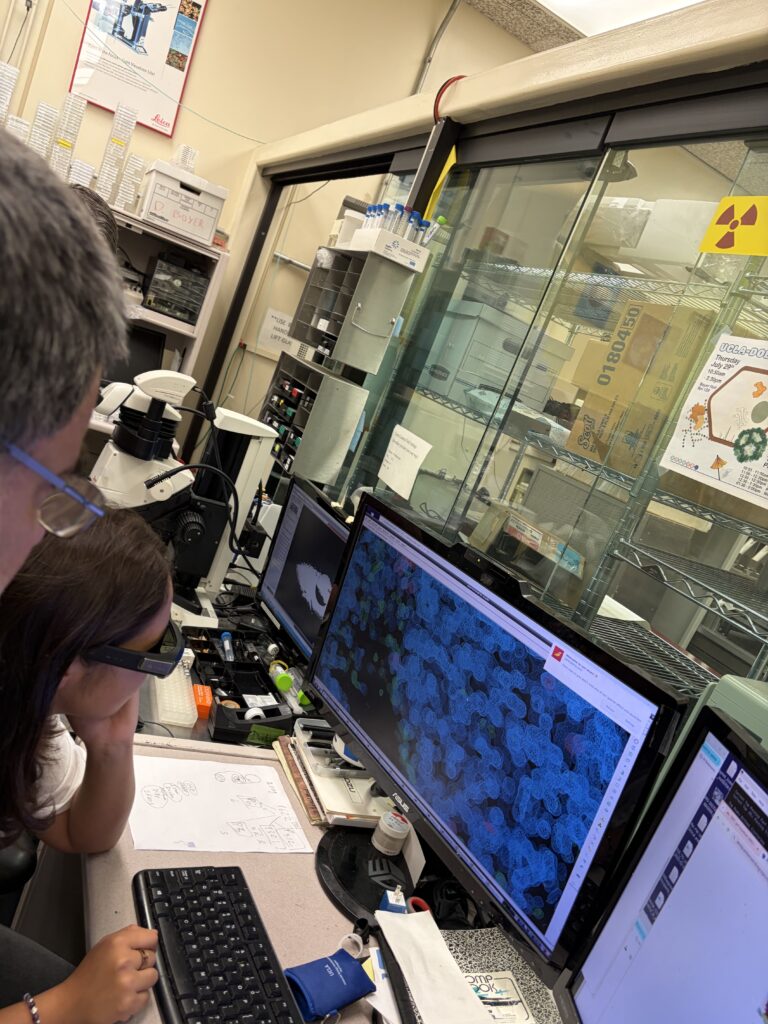
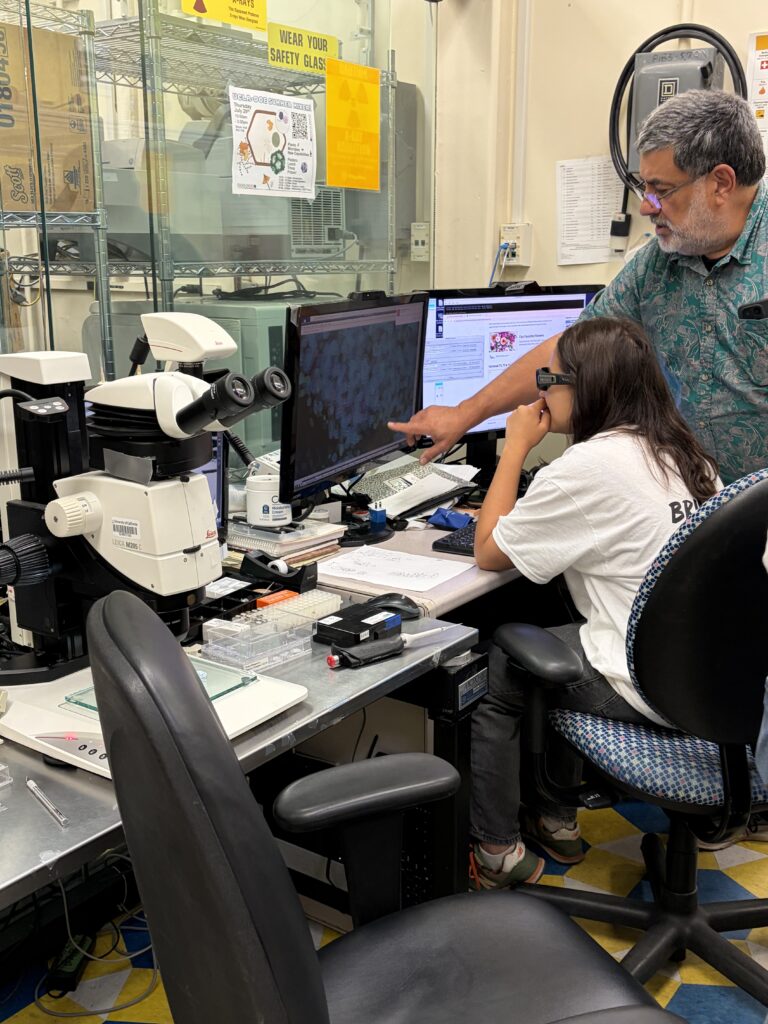
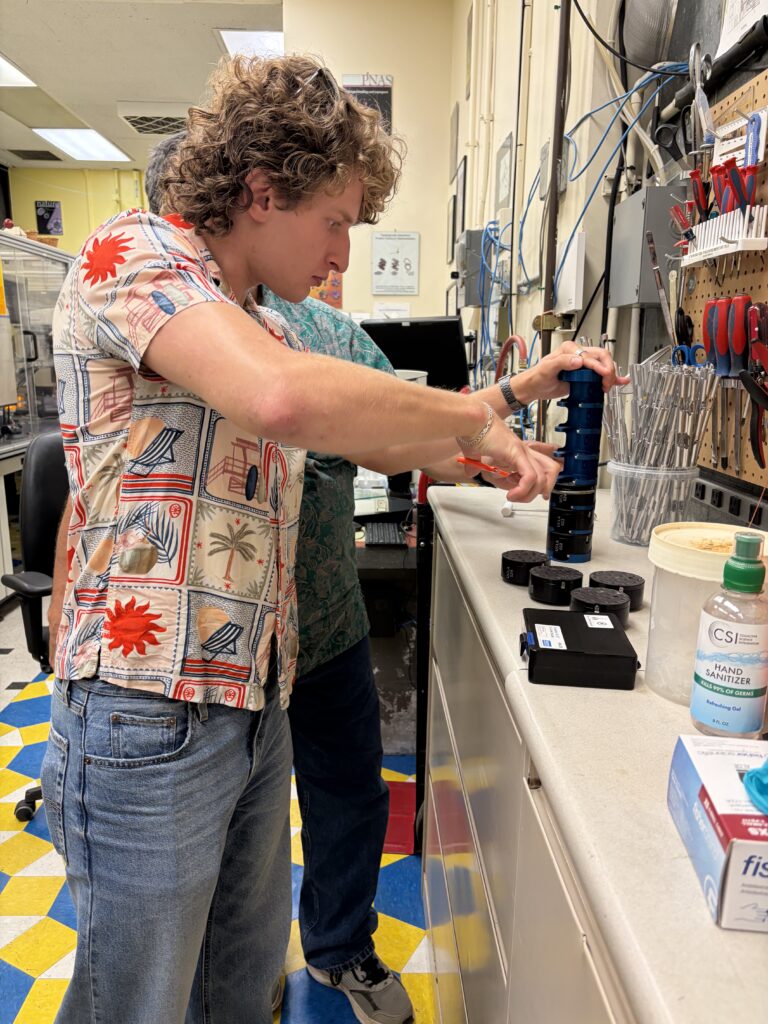
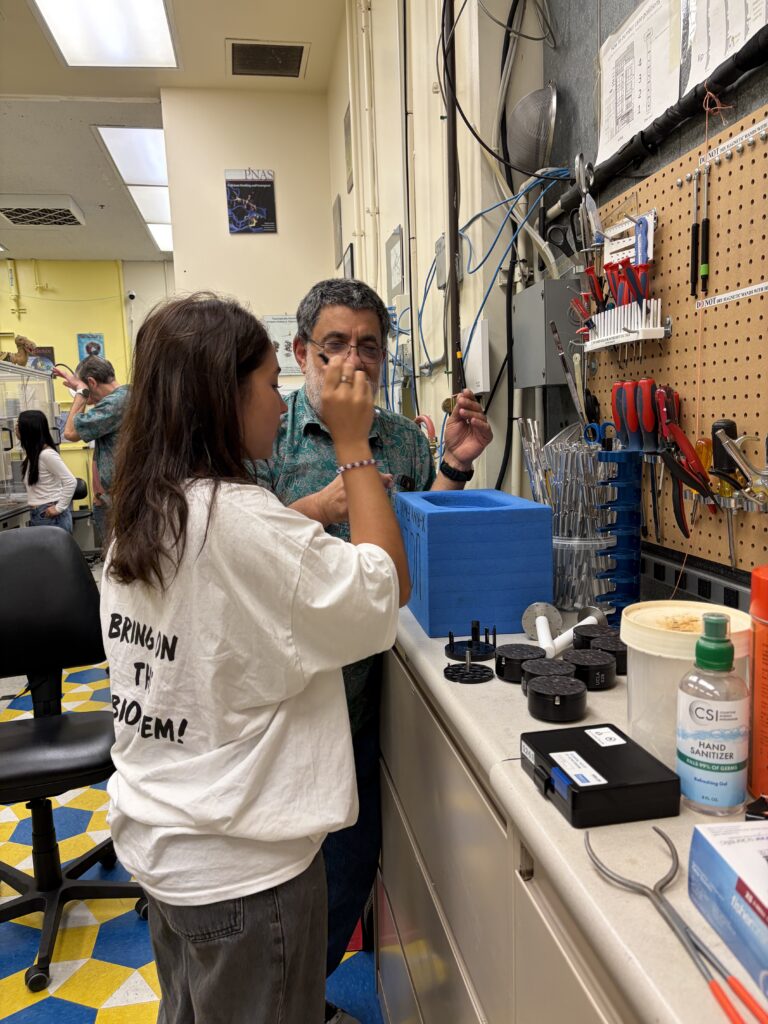
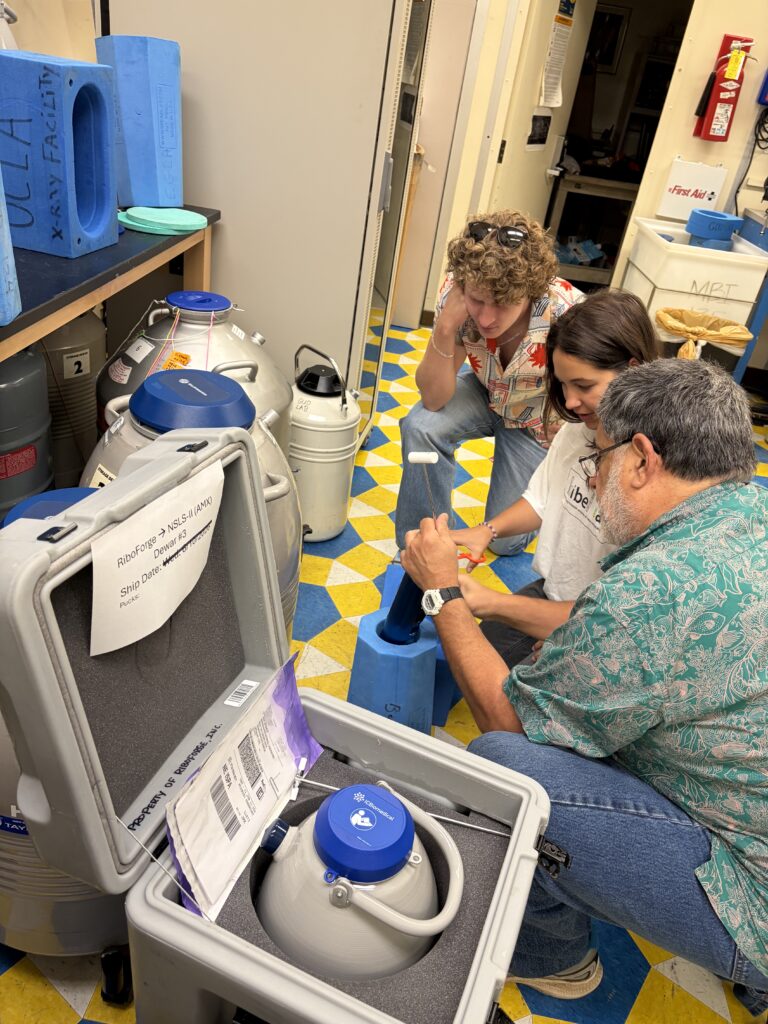
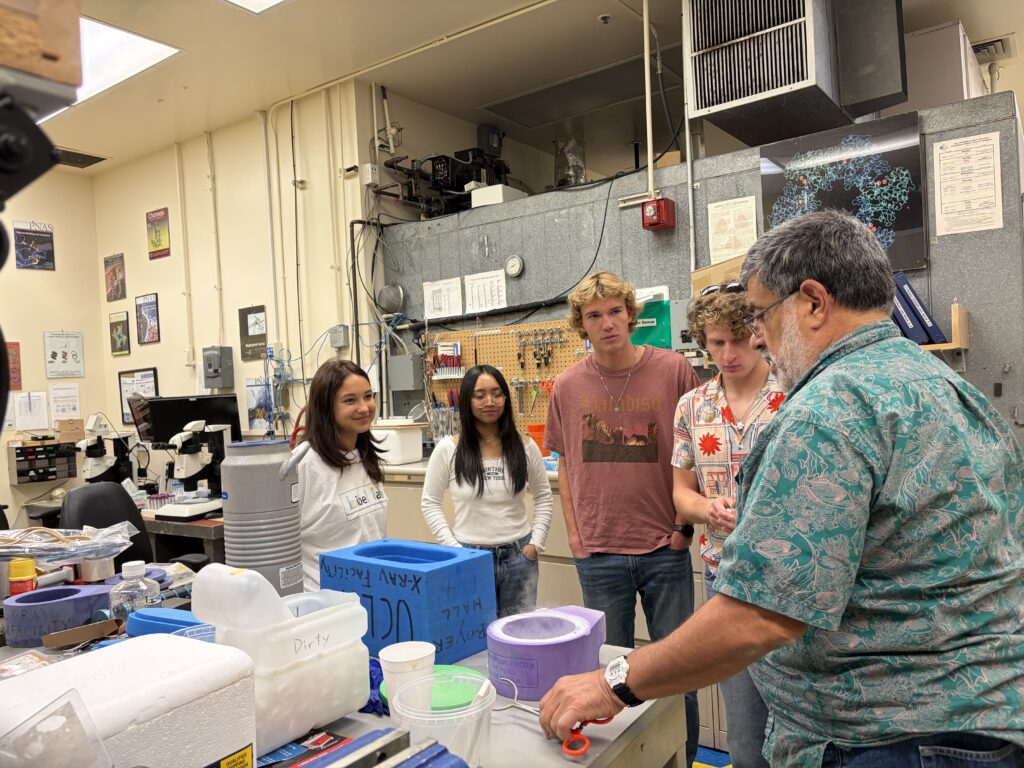
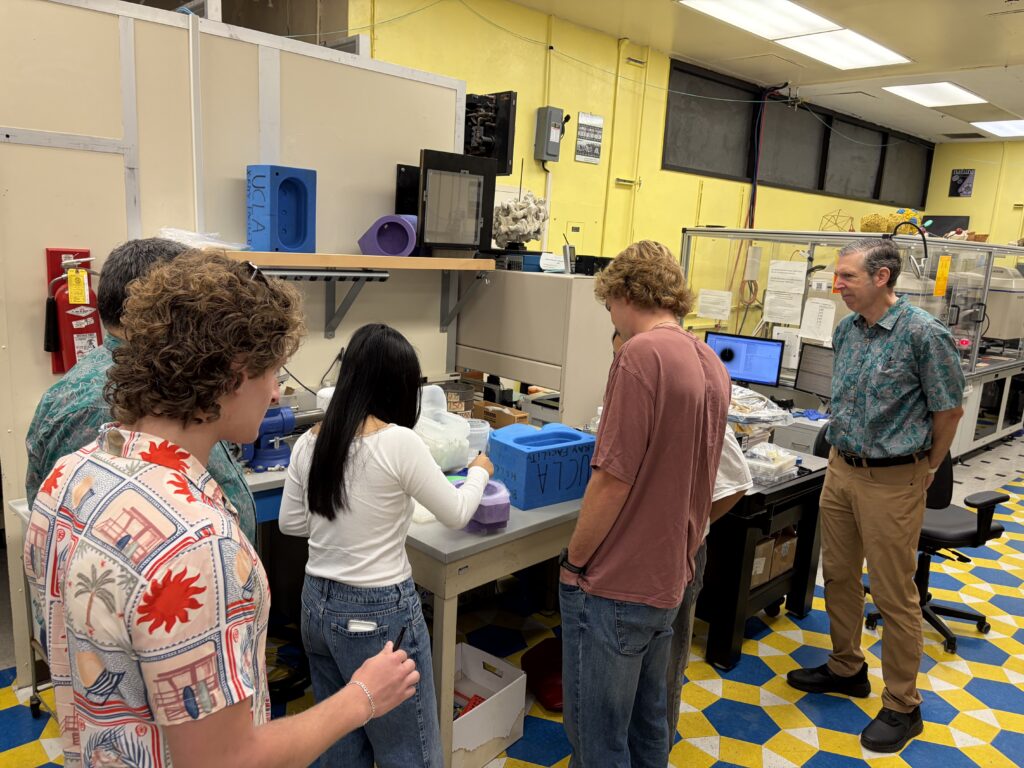
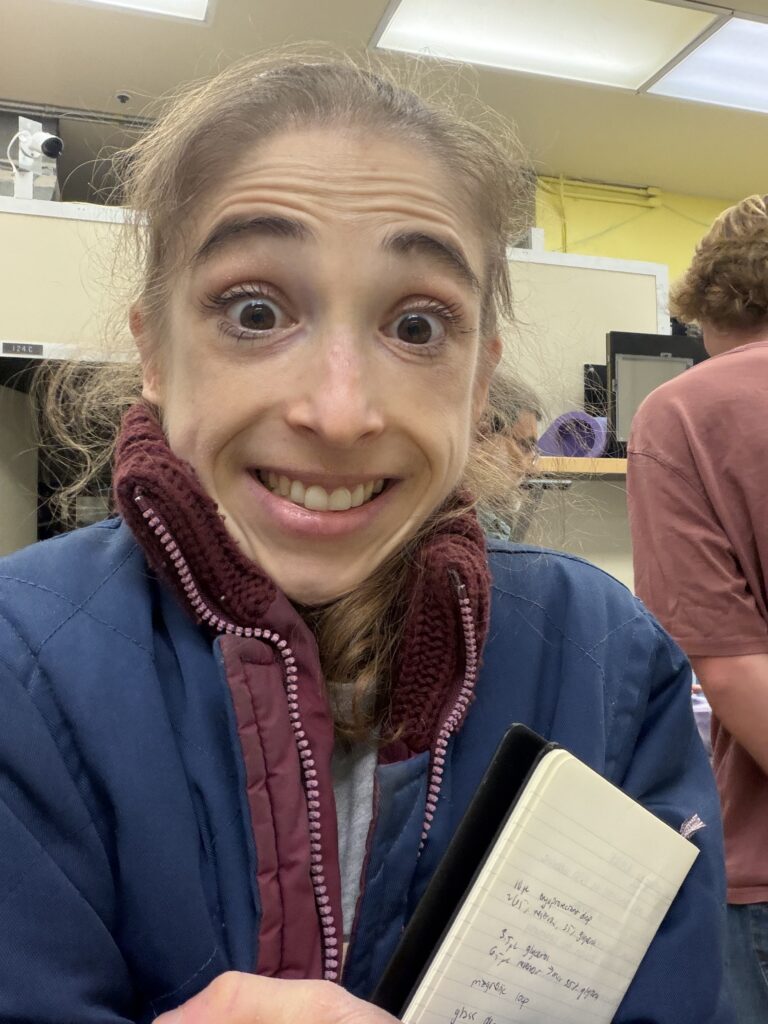
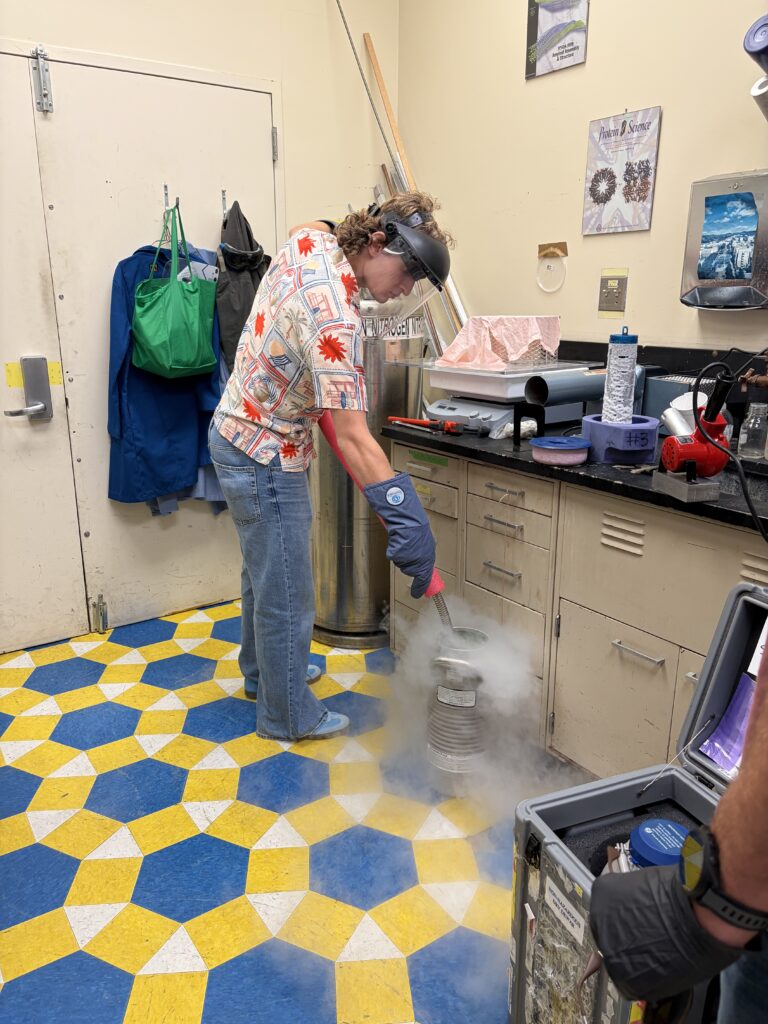
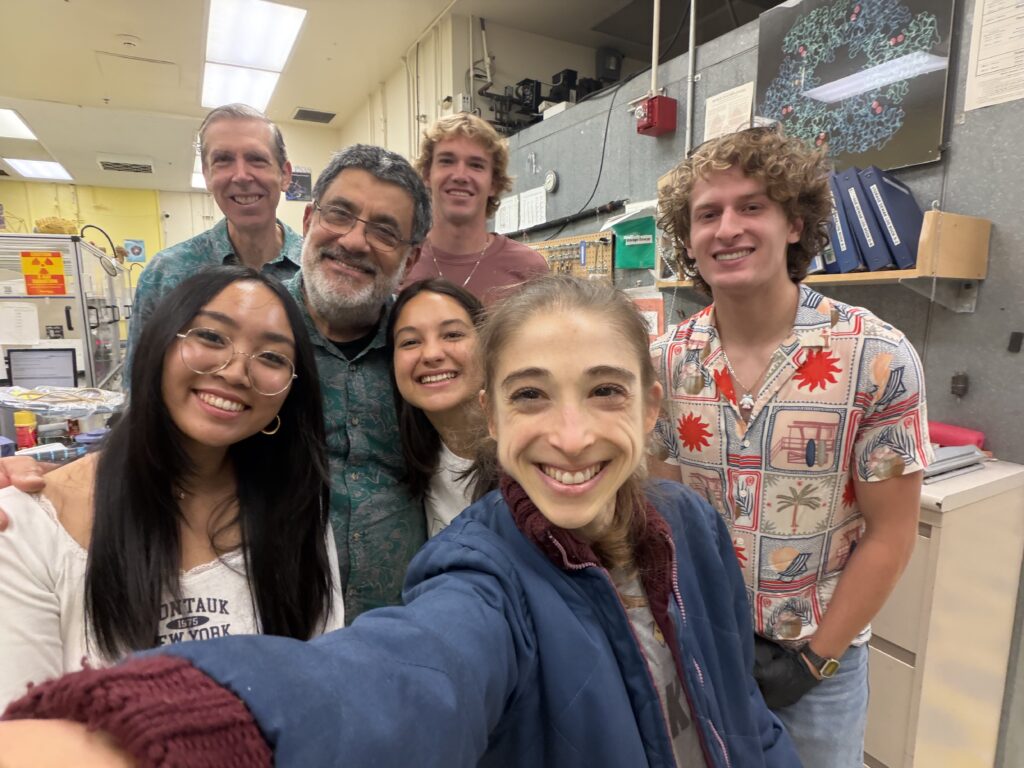
Today, the Bibel lab had an educational blast on a field trip to UCLA’s crystallization facility, where Duilio Cascio and Michael Sawaya graciously volunteered their time to give Alice, Korina, Liam, and Ryan a tour and basic training in the practical aspects of macromolecular crystallography. They were truly having the time of their lives and are even more eager to dive in “for realsies” – we’re hoping to start setting up some drops next week and I’m scrambling to figure out how to get (and afford) the minimal amount of things we’ll need to actually go about harvesting any crystals that actually grow… But one step at a time right?
I’m beyond thrilled that I’m getting to introduce my students to this quirky but beautiful discipline, which I had the privilege of learning as a PhD student in Leemor Joshua’s Tor’s lab at CSHL, where I got much of my practical training from Elad Elkayam. I’m so grateful to him, Leemor, the crystallography course instructors, and my other teachers and mentors. And now I have 2 more to add!
Thank you again Duilio and Michael!
PS – Although I think that seeing electron density for a crystal of your protein of interest that you grew yourself is prize enough, I told my students that if they solved a structure, I’d have it 3D printed for them 🙂 My goal is that once we find good conditions for our wild-type (unaltered) proteins to grow, each student can try to crystallize a mutated version they’ve been working on as part of their continuous research, and/or co-crystallize with substrate and/or cofactors. Stay tuned!
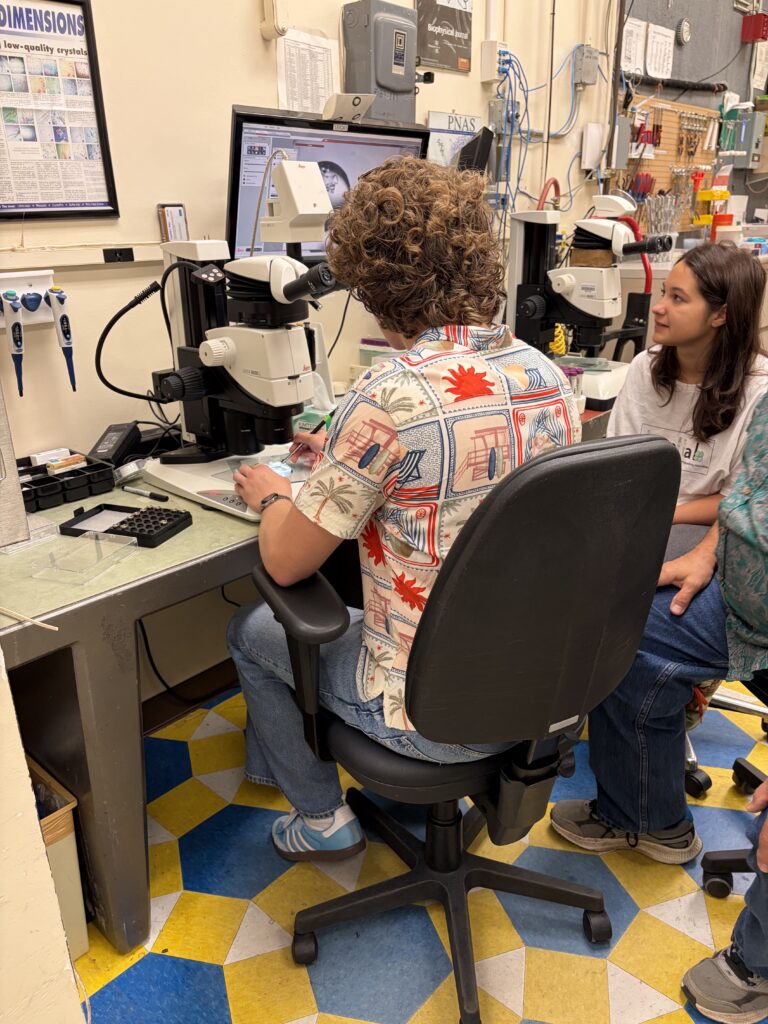
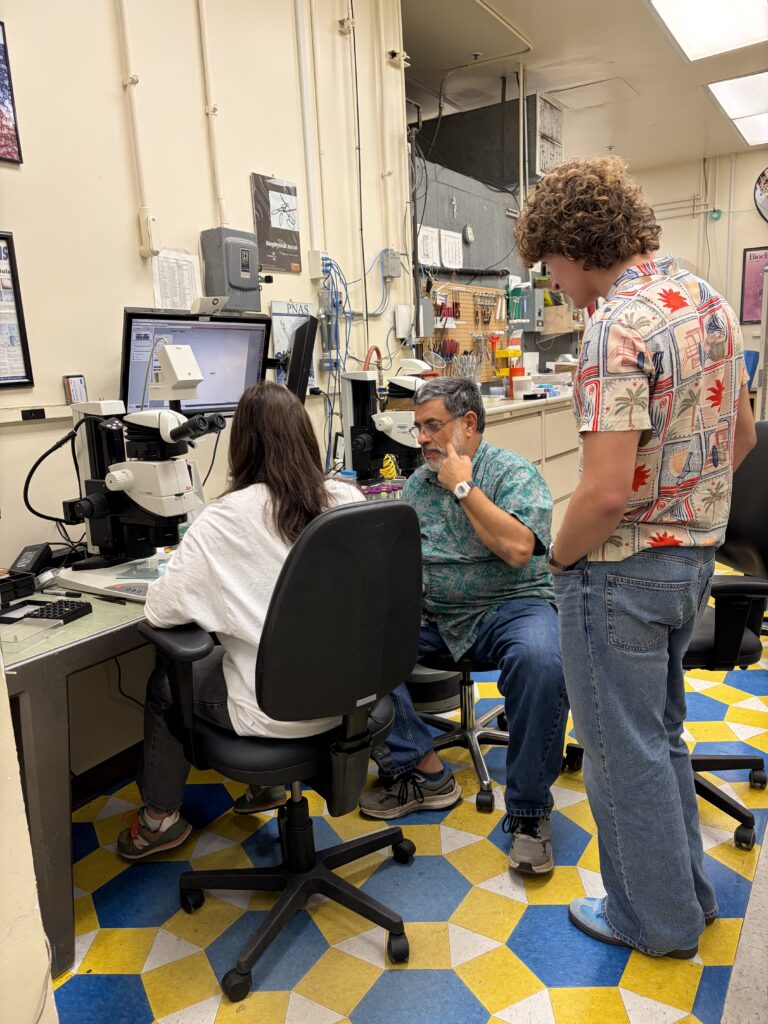
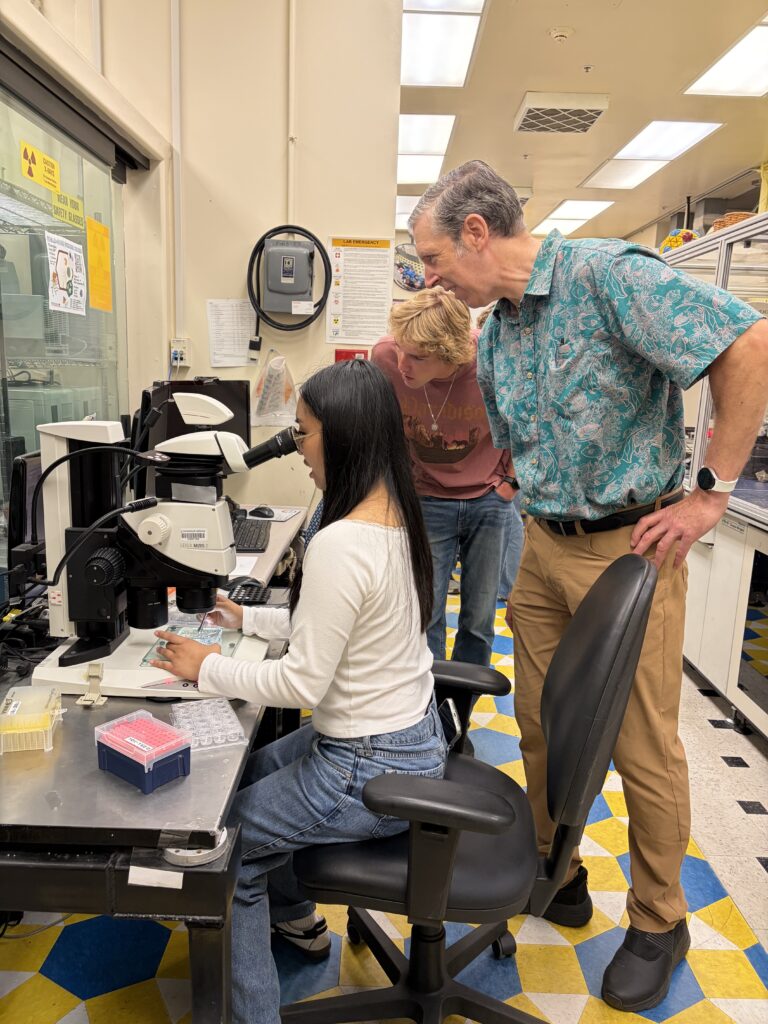
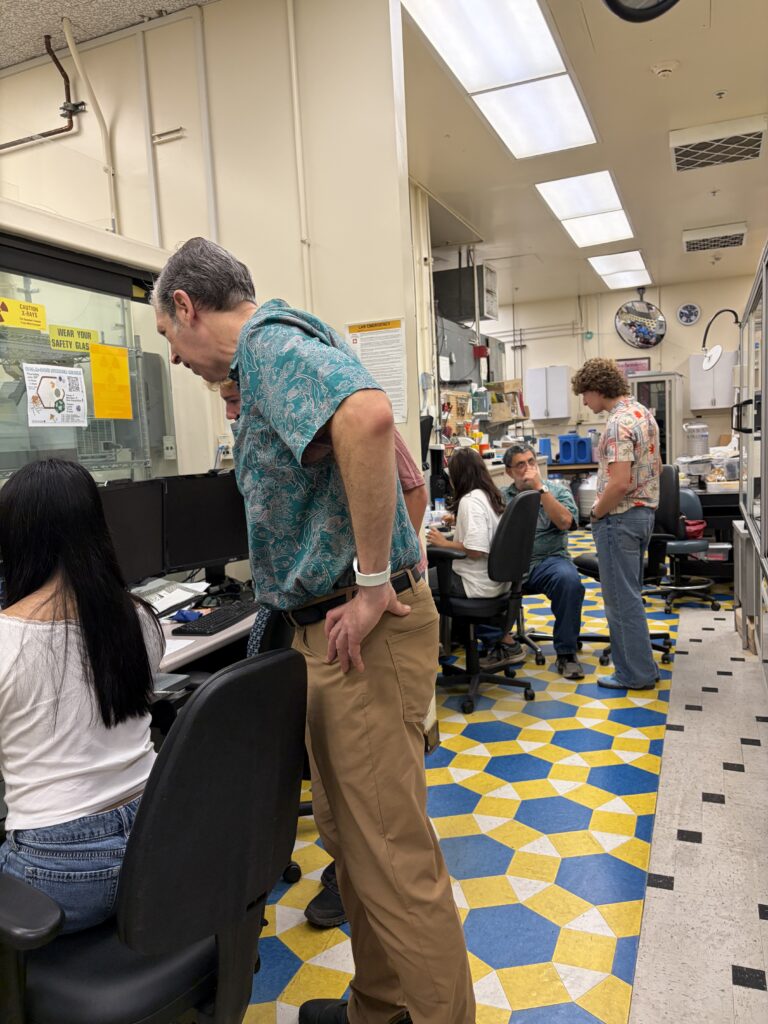
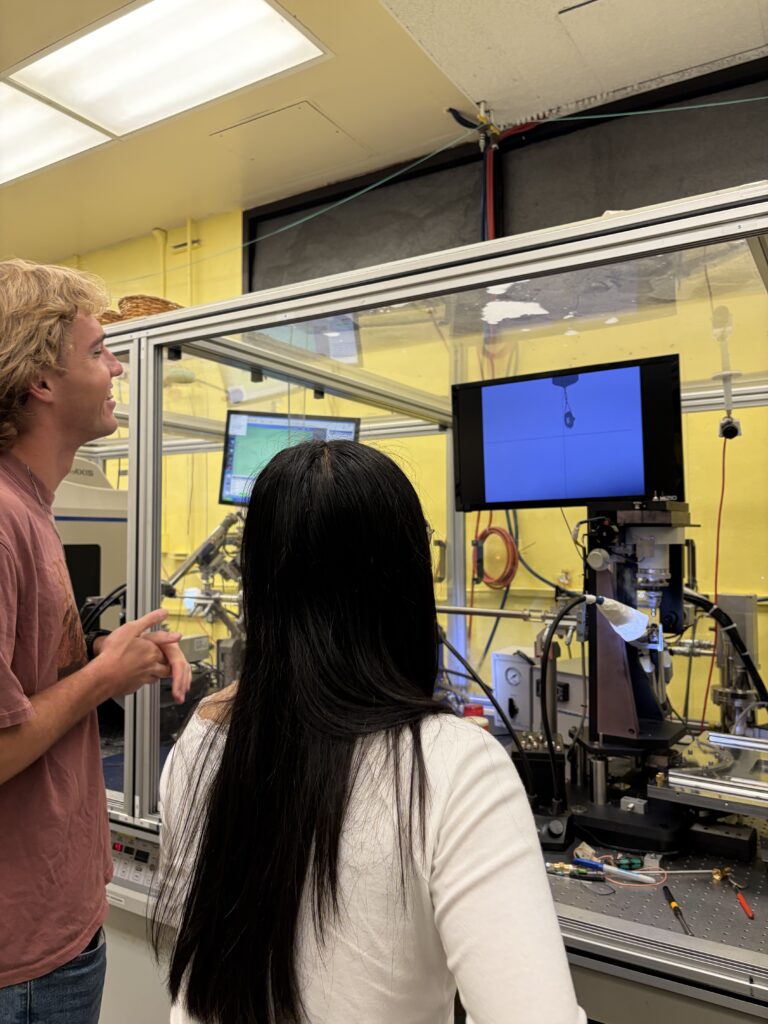
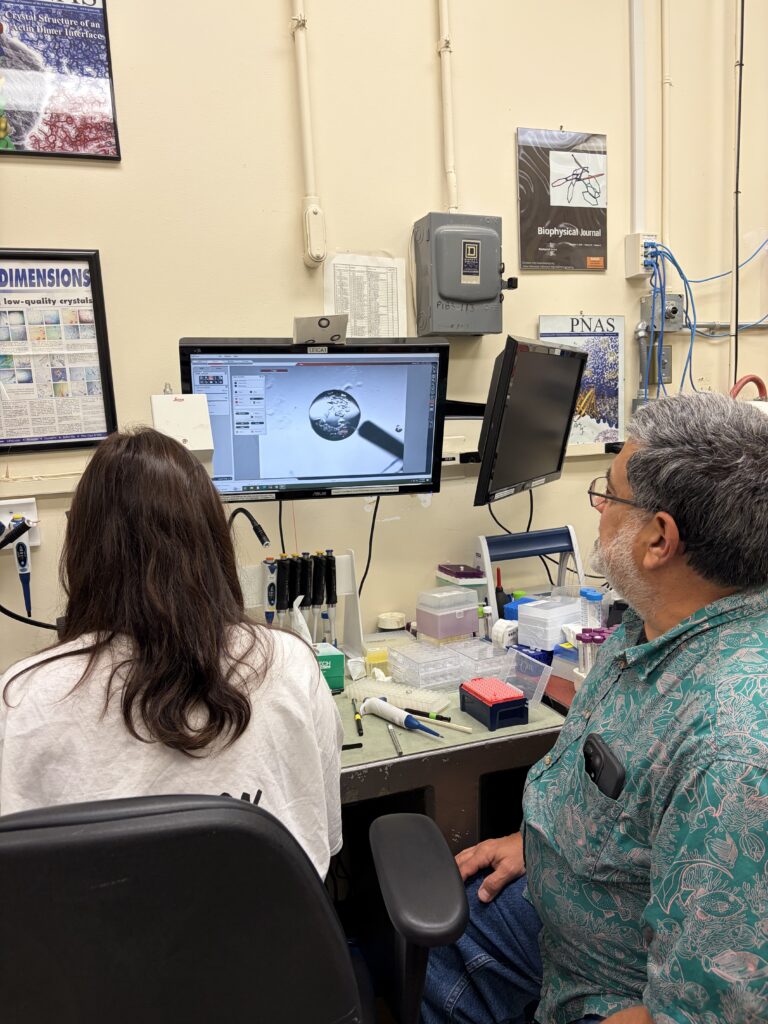
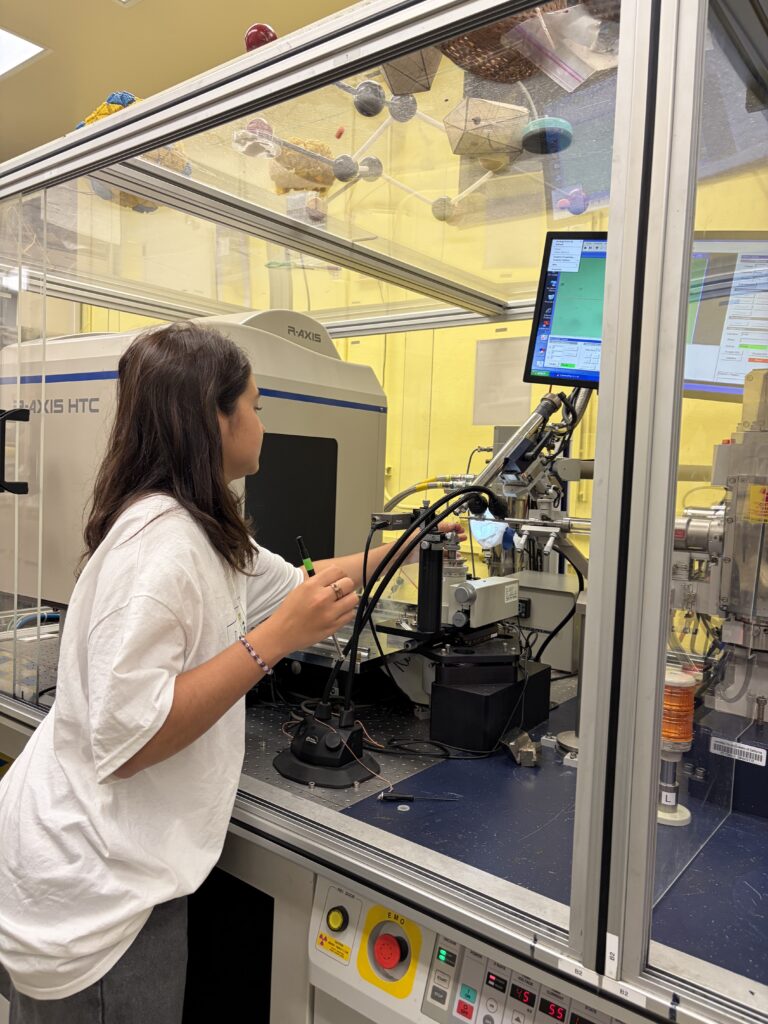
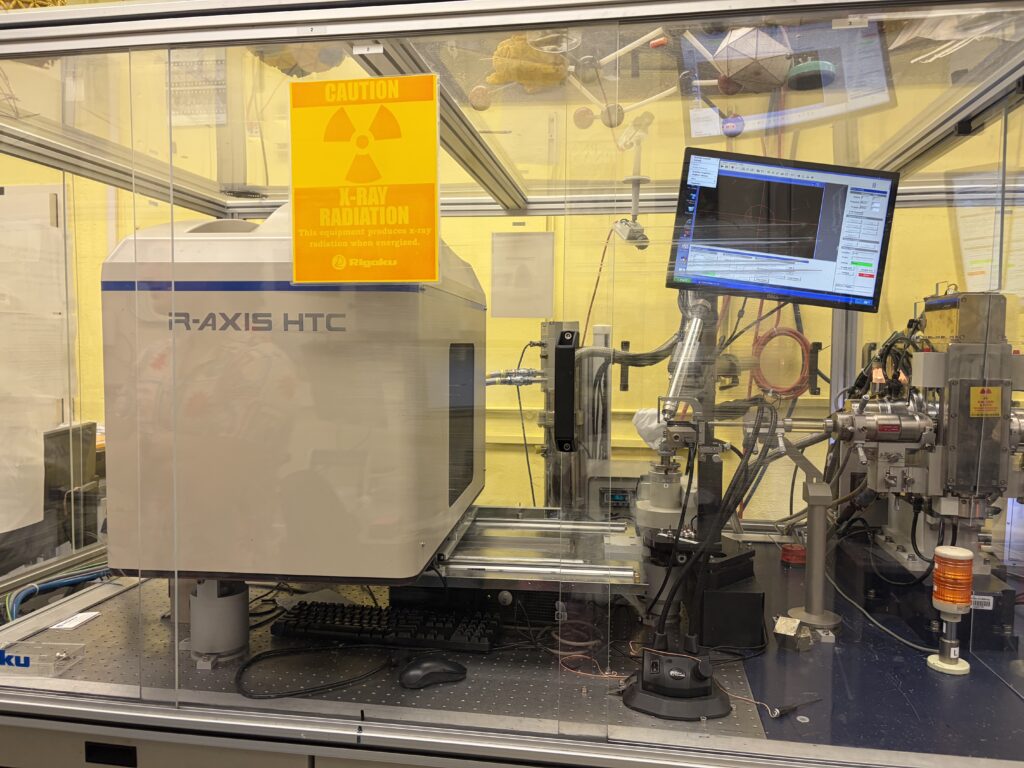
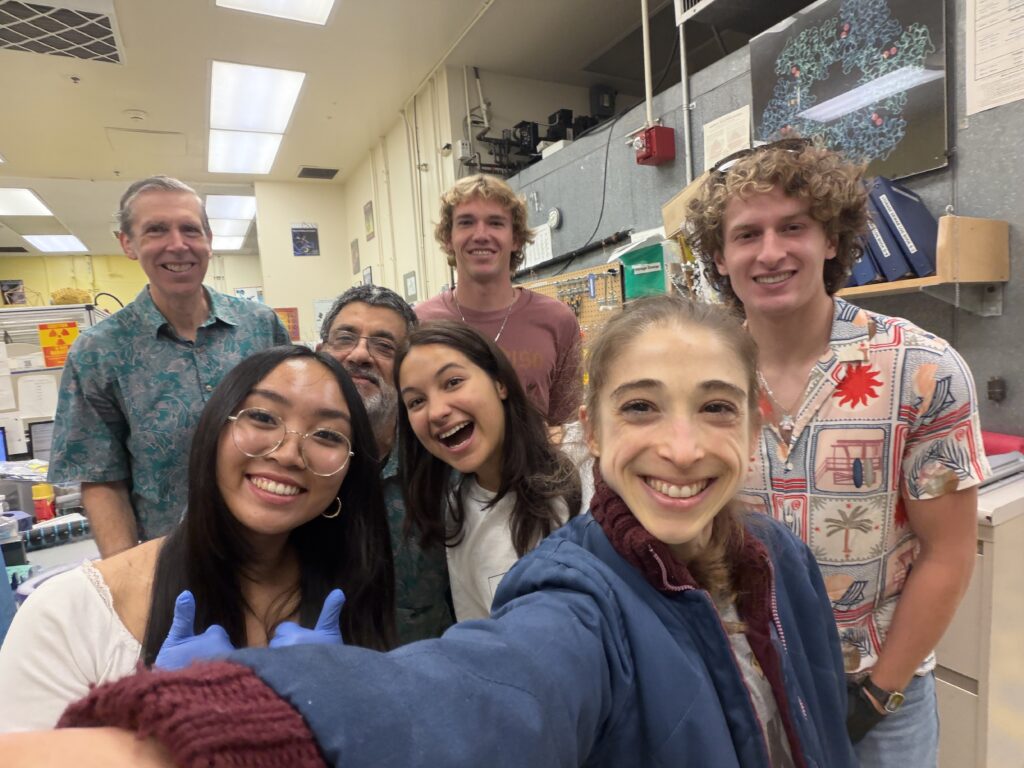
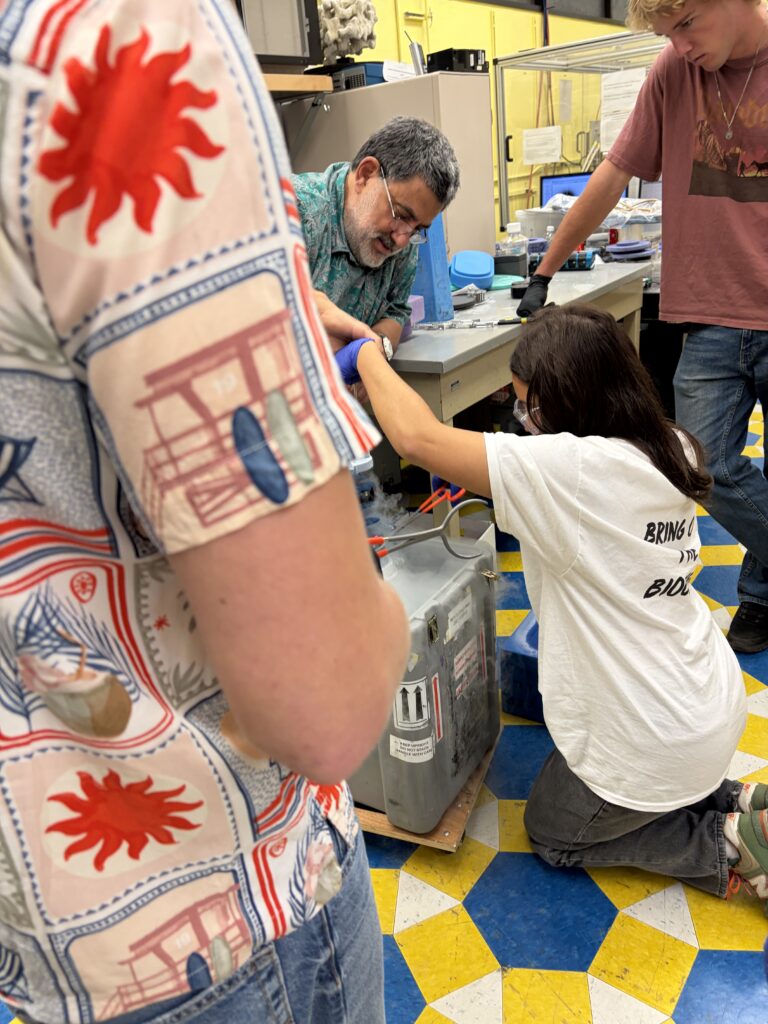
3 weeks into summer research – we’ve been busy . . .
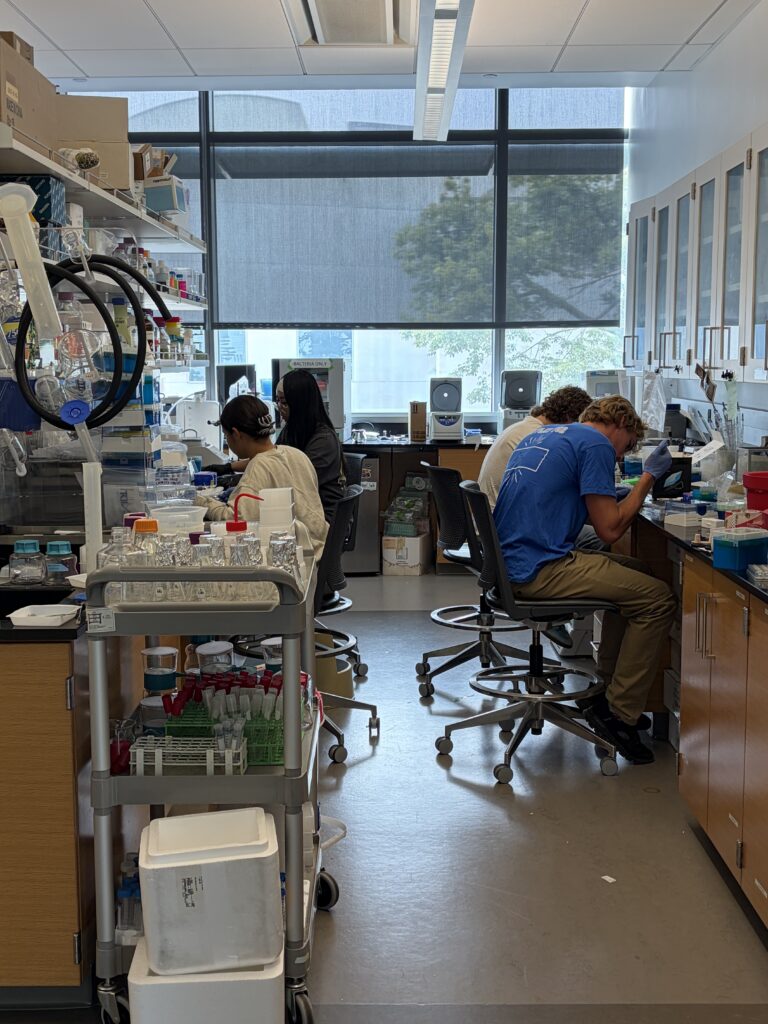
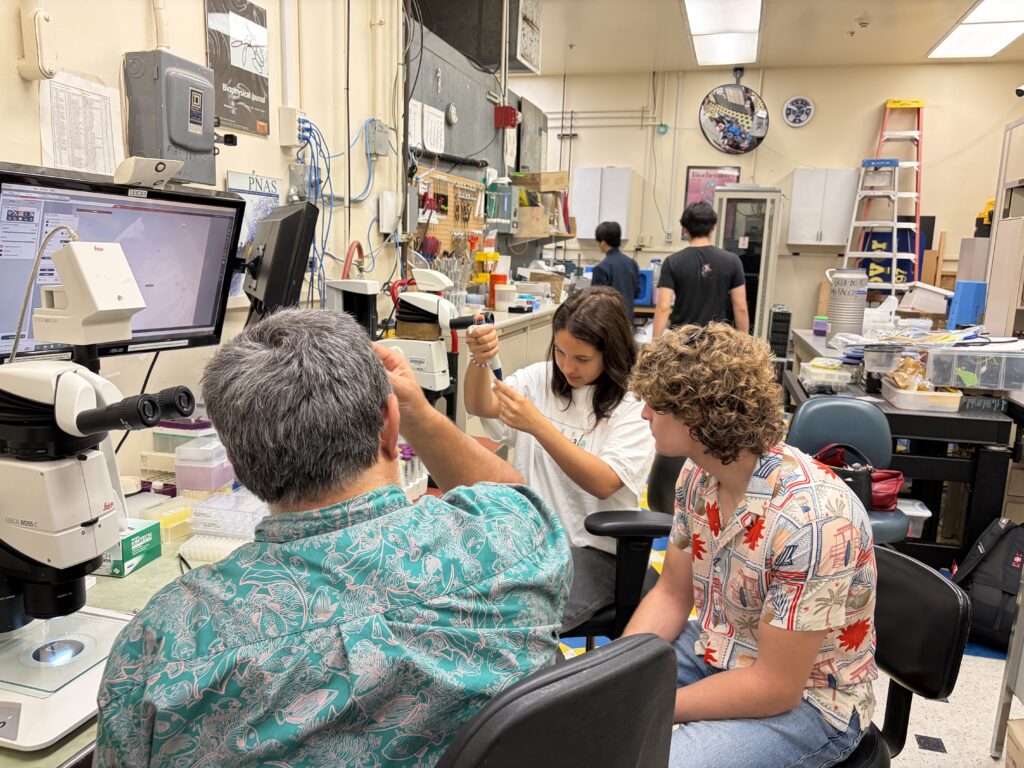
I can’t believe the summer research session is halfway over. But at the same time, I can’t believe how much we’ve done! Each of my amazing undergraduate researchers (Alice, Alvie, Brooke, Korina, Liam, & Ryan) has their own project within a project, and they’re all making great progress! One of our main goals for the summer is to purify oodles of protein so we’ll have lots to “play with” (characterize with various experiments) during the school year, when we won’t have the long stretches needed for purifying them!
In addition to being incredibly grateful for these students, I’m so grateful to LMU for making this all possible and supporting us!
5/19/26: Bri gives Pint of Science talk
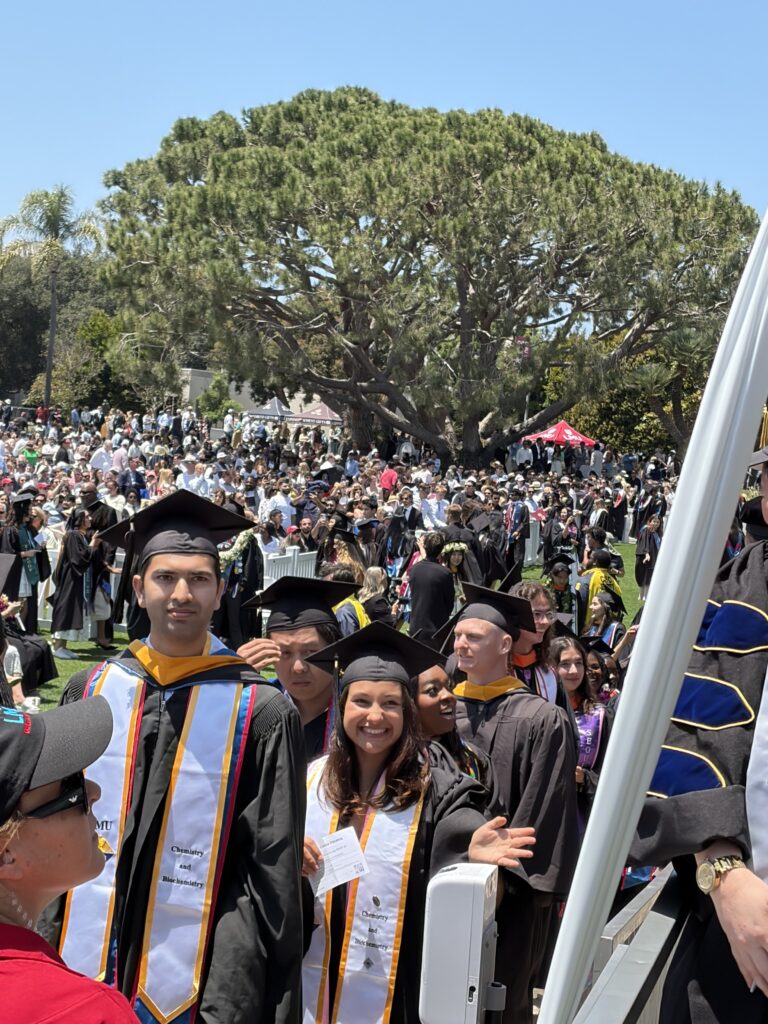
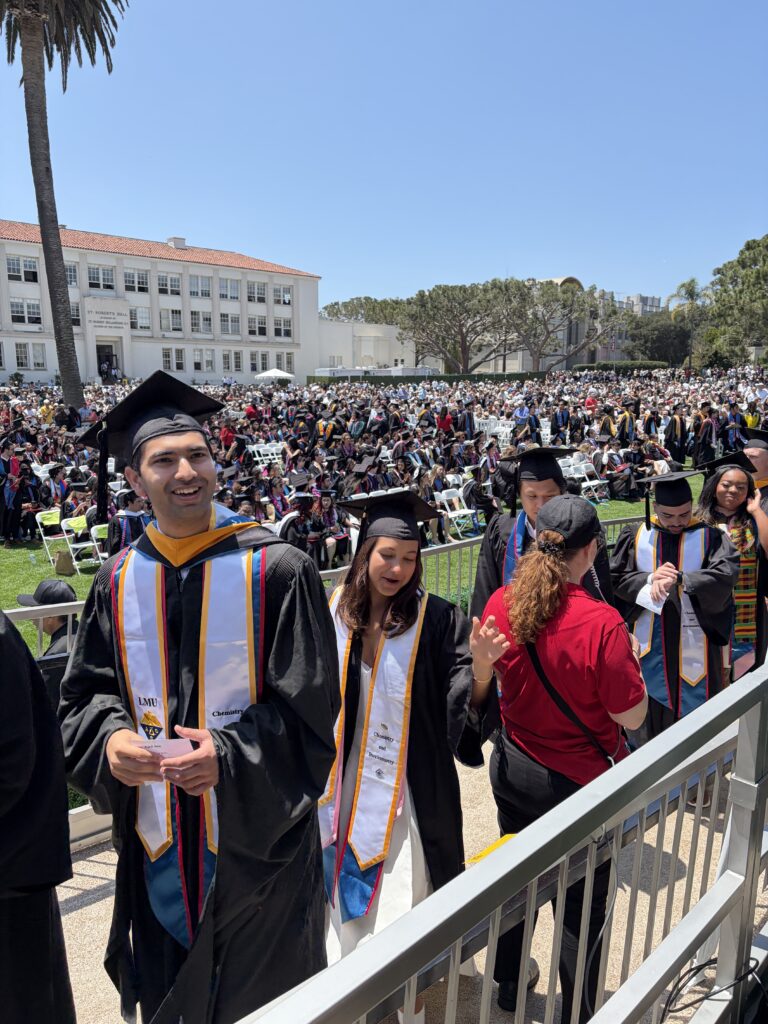
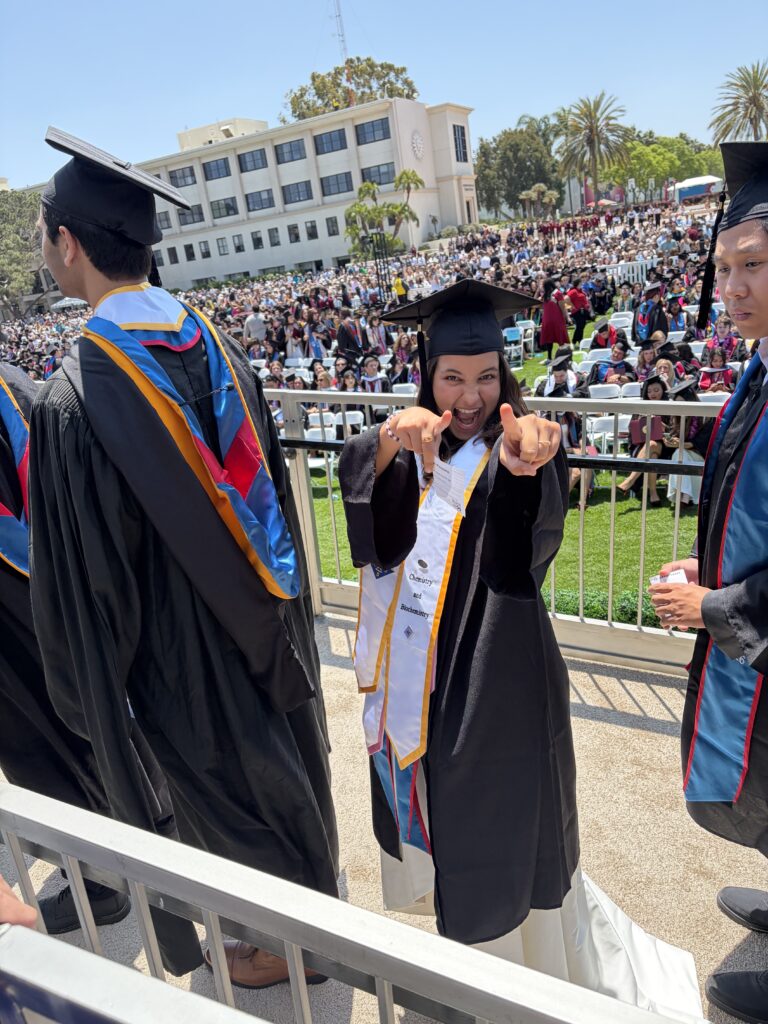
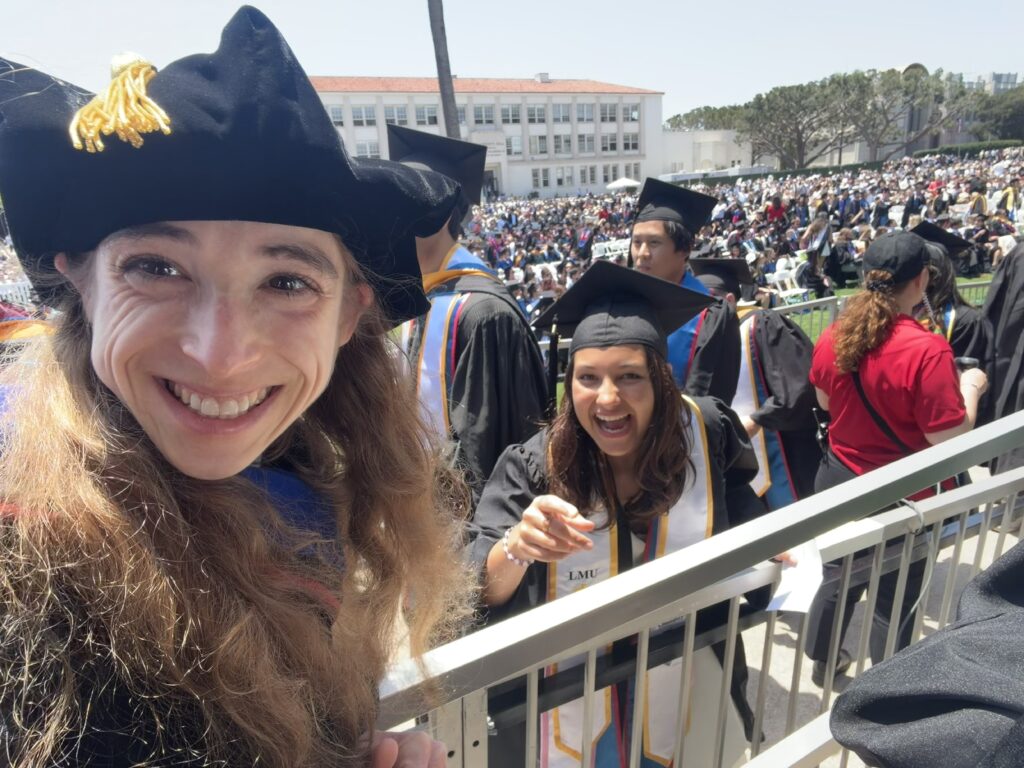
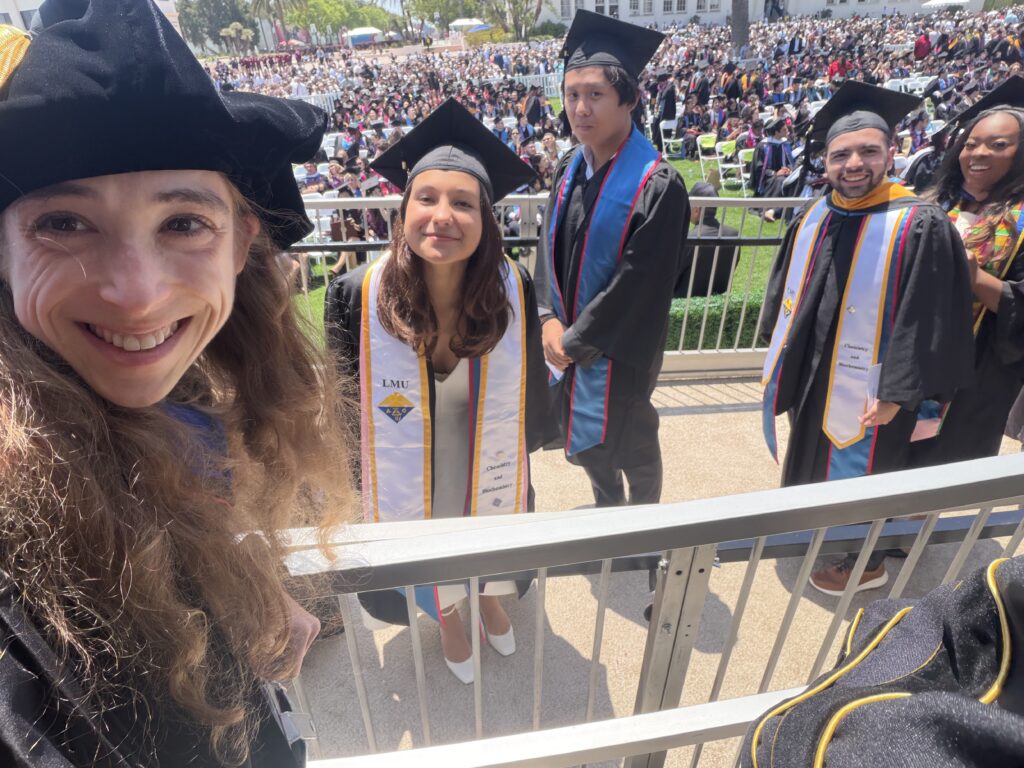
5/16/26: Alice graduates!!!!
Congratulations Alice!!!!
5/14/26: The Bibel lab’s first preprint
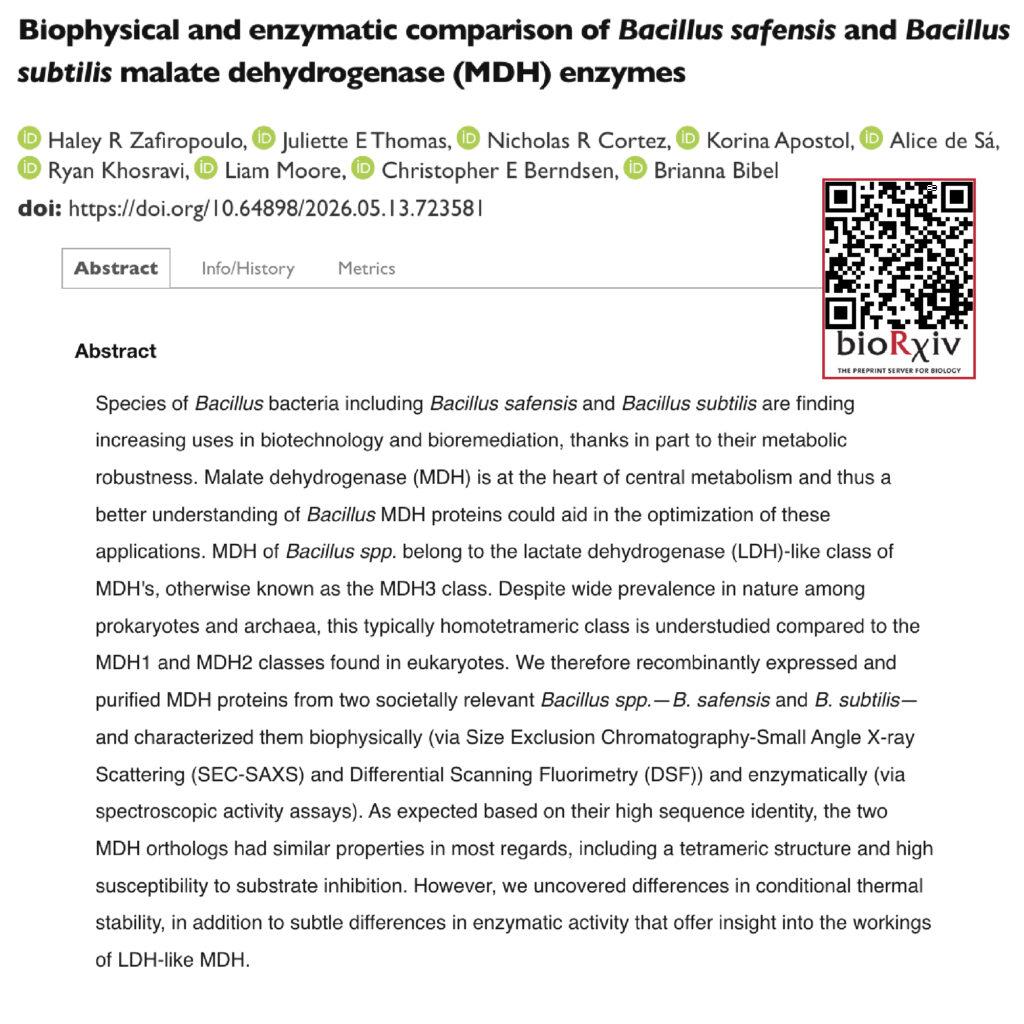
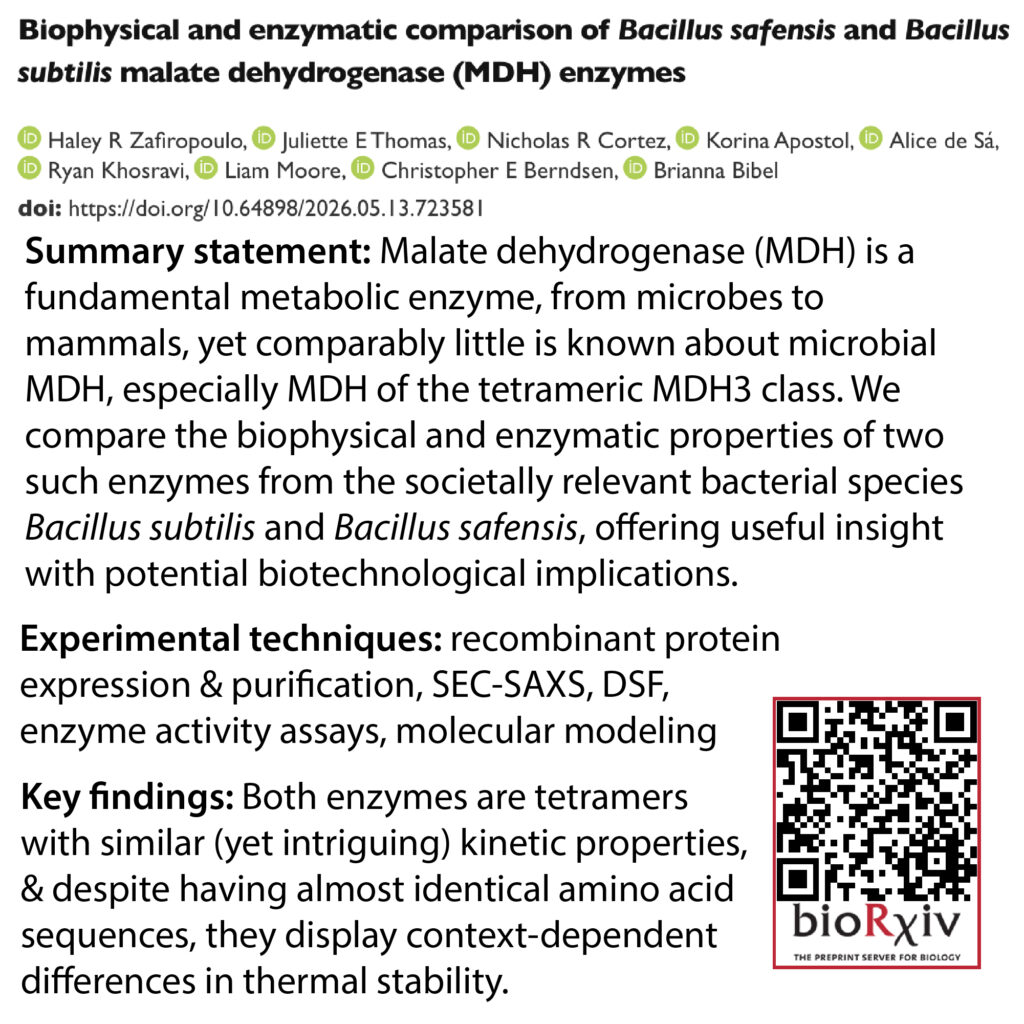
I’m sooooo excited to share with the Bibel lab (in collaboration with the Berndsen lab)’s first preprint!
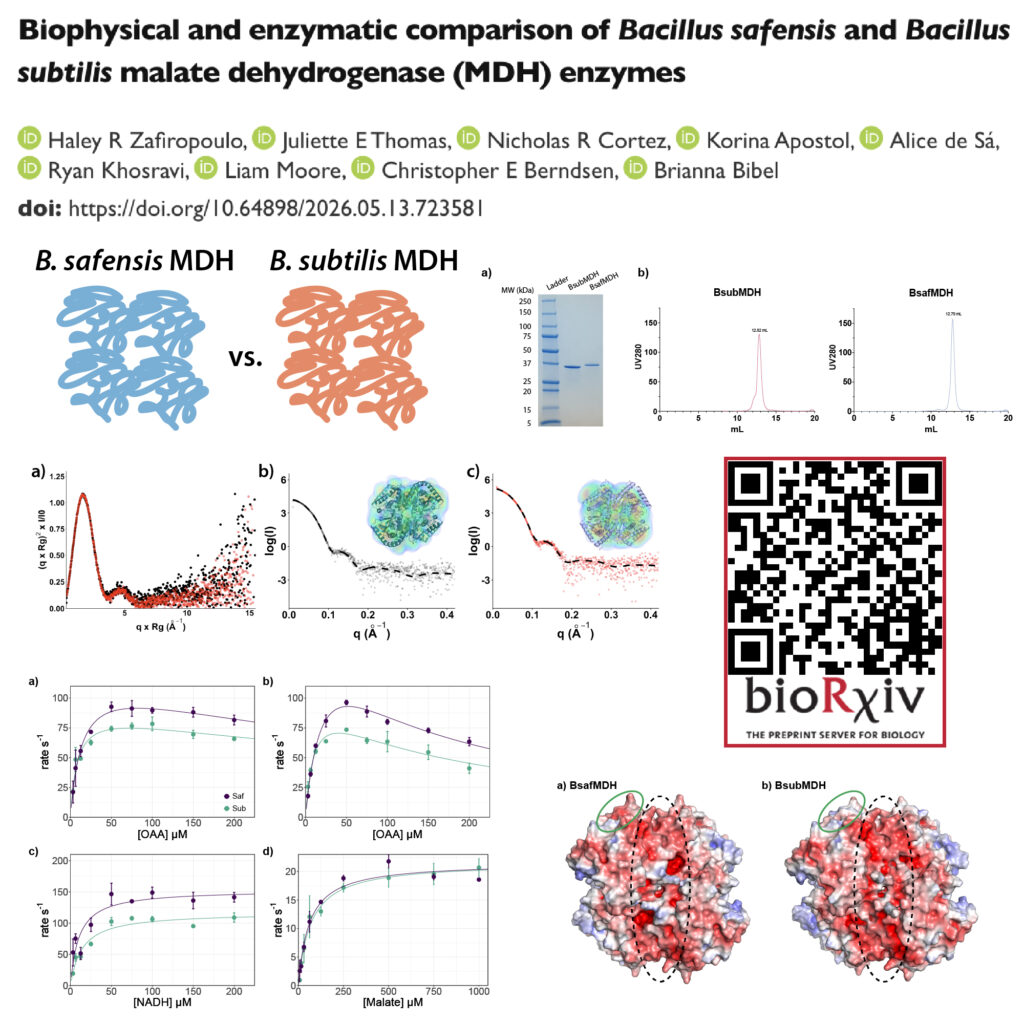
Biophysical and enzymatic comparison of Bacillus safensis and Bacillus subtilis malate dehydrogenase (MDH) enzymes
Haley R Zafiropoulo, Juliette E Thomas, Nicholas R Cortez, Korina Apostol, Alice de Sá, Ryan Khosravi, Liam Moore, Christopher E Berndsen, Brianna Bibel
bioRxiv 2026.05.13.723581; doi: https://doi.org/10.64898/2026.05.13.723581
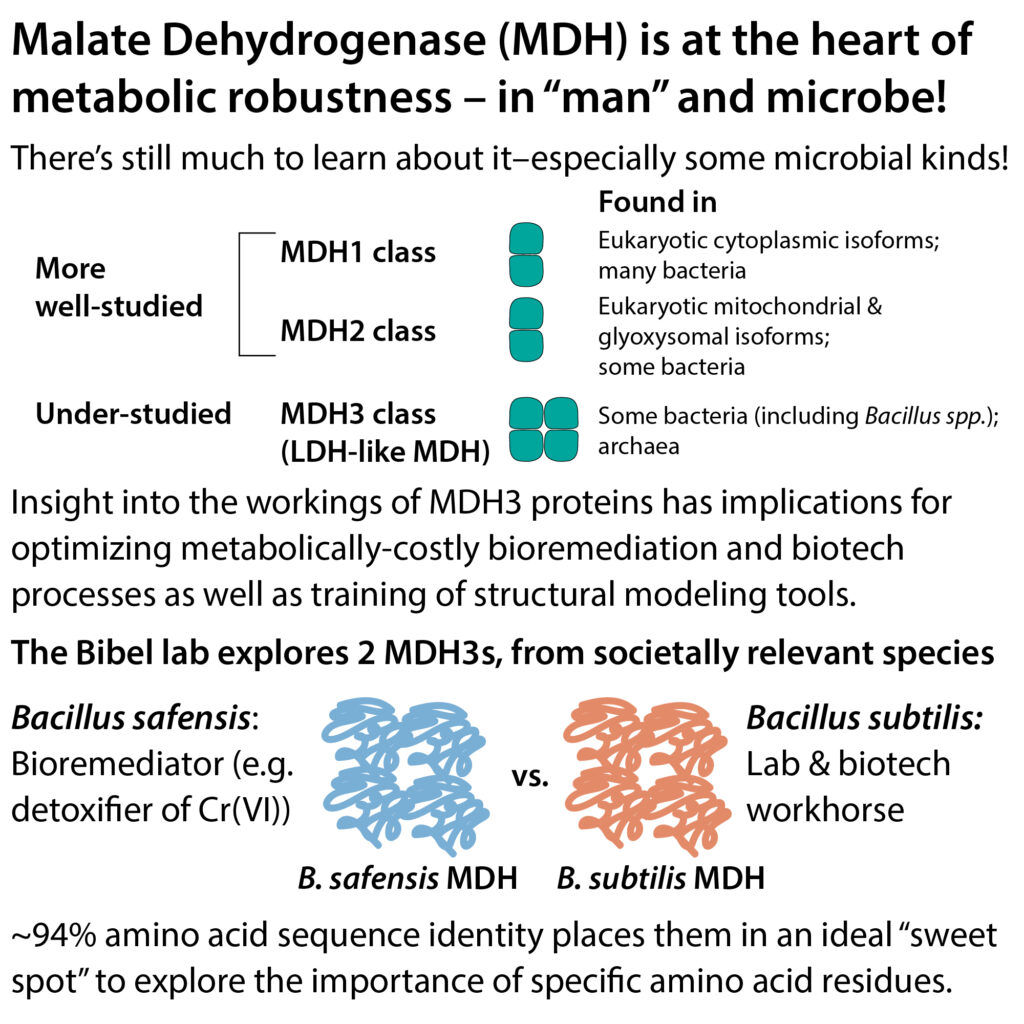
Malate Dehydrogenase (MDH) is at the heart of metabolic robustness – in “man” and microbe! There’s still much to learn about it-especially some microbial kinds, which are tetrameric instead of the more-studied dimeric forms! Insight into the workings of these proteins has implications for optimizing metabolically-costly bioremediation and biotech processes as well as training of structural modeling tools.
We explore 2 MDHs, from the understudied “MDH3” class of MDH enzyme, from societally relevant species of bacteria: Bacillus safensis, a bioremediator (e.g. detoxifier of Cr(VI)) and Bacillus subtilis, a lab & biotech workhorse. Their ~94% amino acid sequence identity places them in an ideal “sweet spot” to explore the importance of specific amino acid residues.
In this preprint, we use recombinant protein expression & purification, SEC-SAXS, DSF, enzyme activity assays, molecular modeling to compare Bacillus safensis and Bacillus subtilis enzymatically and biophysically. We found that both enzymes are tetramers with similar (yet intriguing) kinetic properties, & despite having almost identical amino acid sequences, they display context-dependent differences in thermal stability.
Our findings raise intriguing questions (which we’ll be following up on over the summer) and offer useful insight with potential biotechnological implications. It also represents the first “pre”-publication on Bacillus safensis MDH.
It’s been a life goal of mine to have a paper with undergraduate student researchers; so, although this is only a preprint at this point (while awaiting peer review at a journal), it marks a huge milestone for my lab and for my students and I hope that it will help them reach their career goals as well as help add important knowledge to the field.
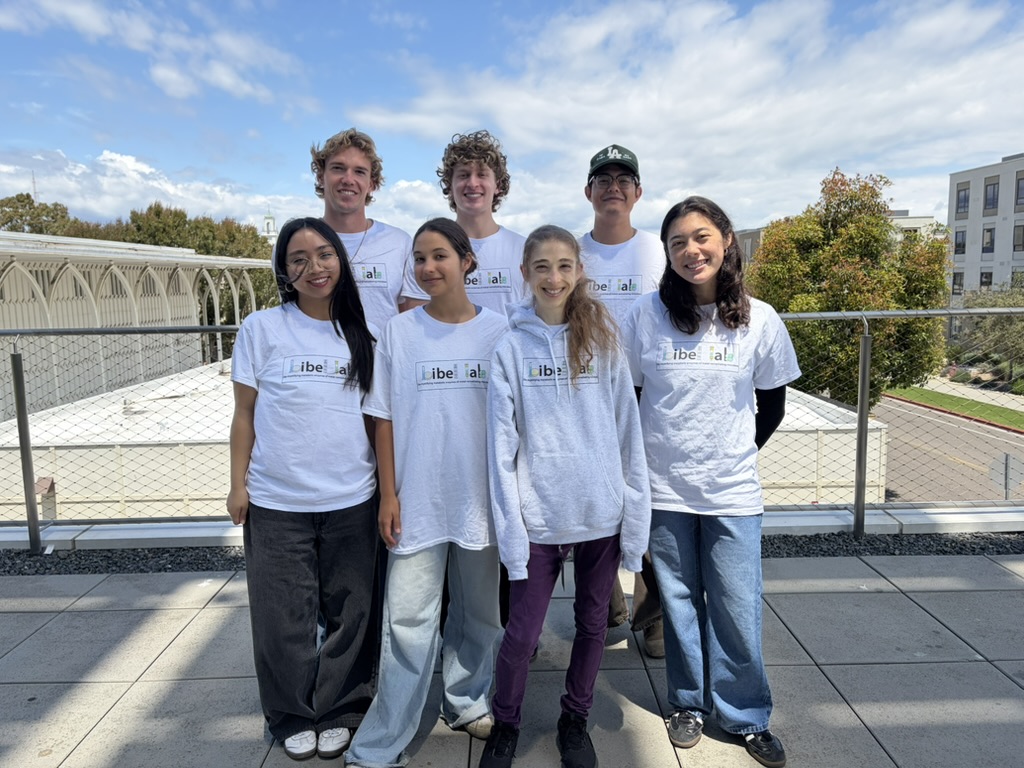
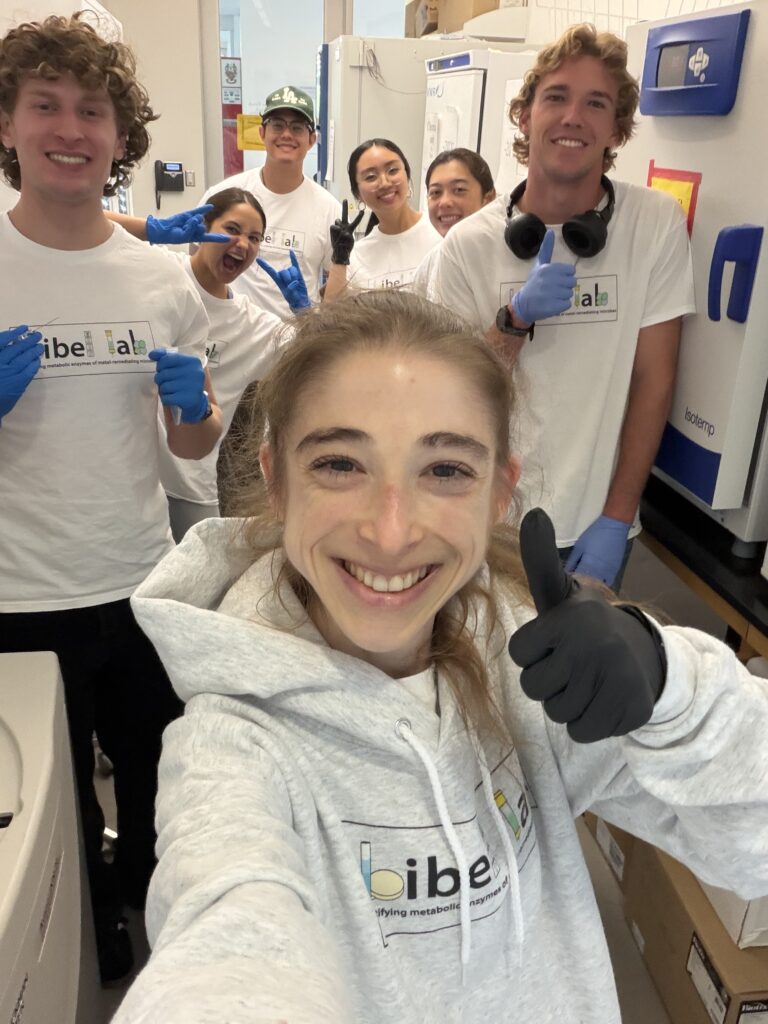
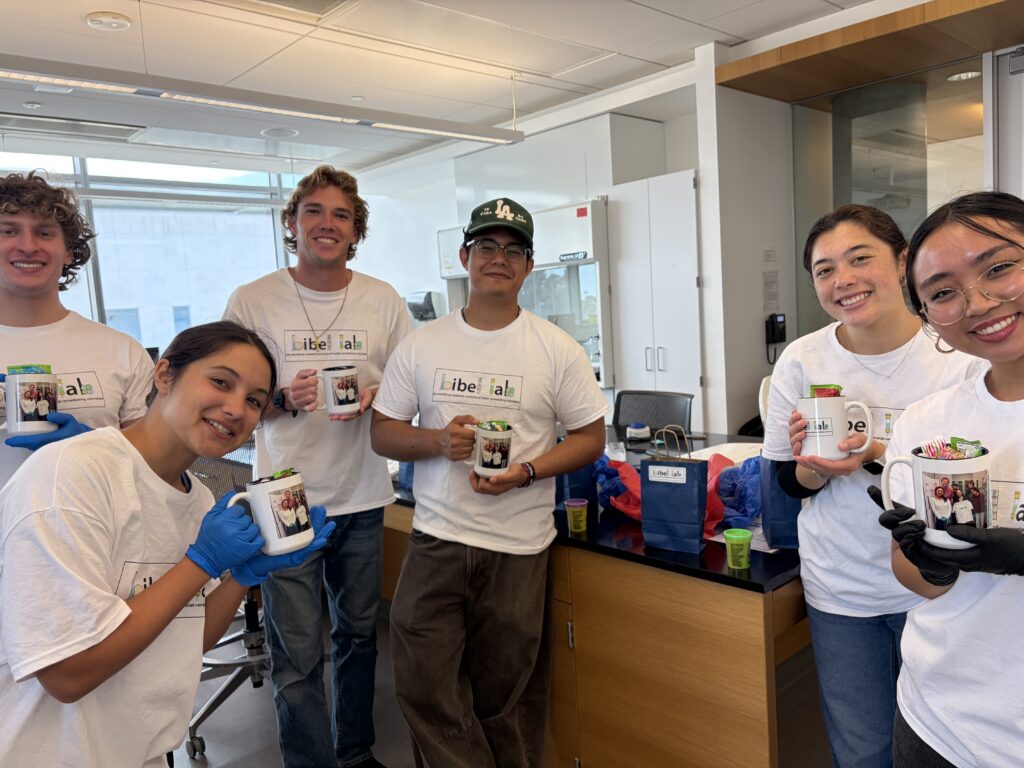
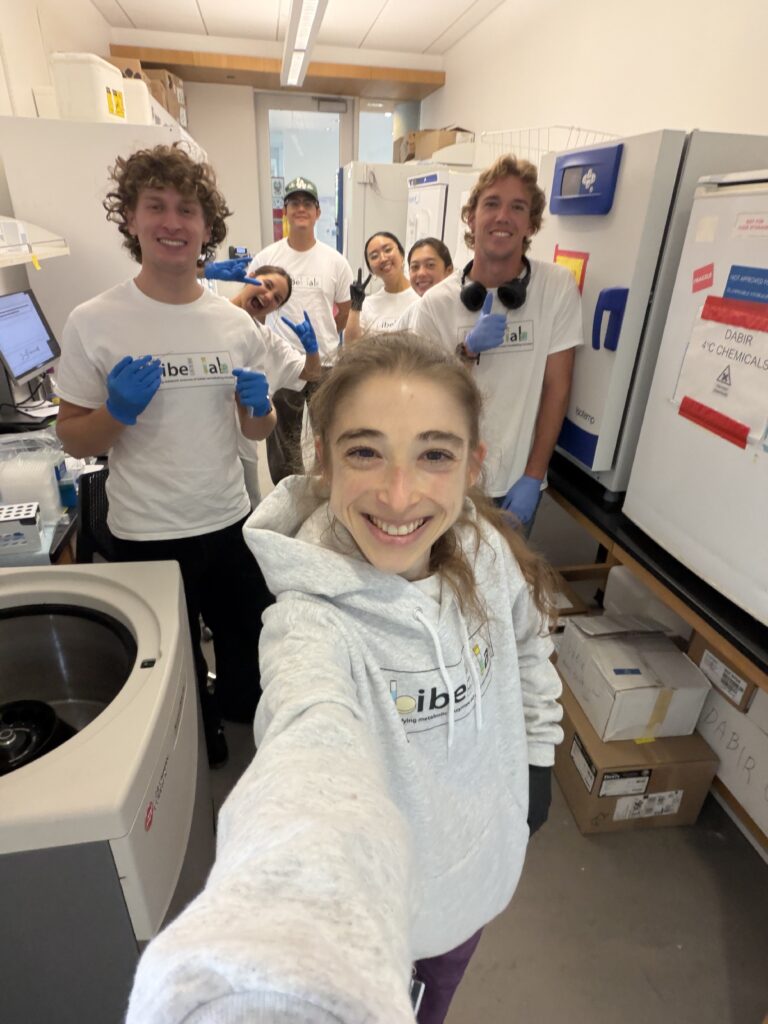
5/5/26: Bibel lab turns “1 (academic) year” Party

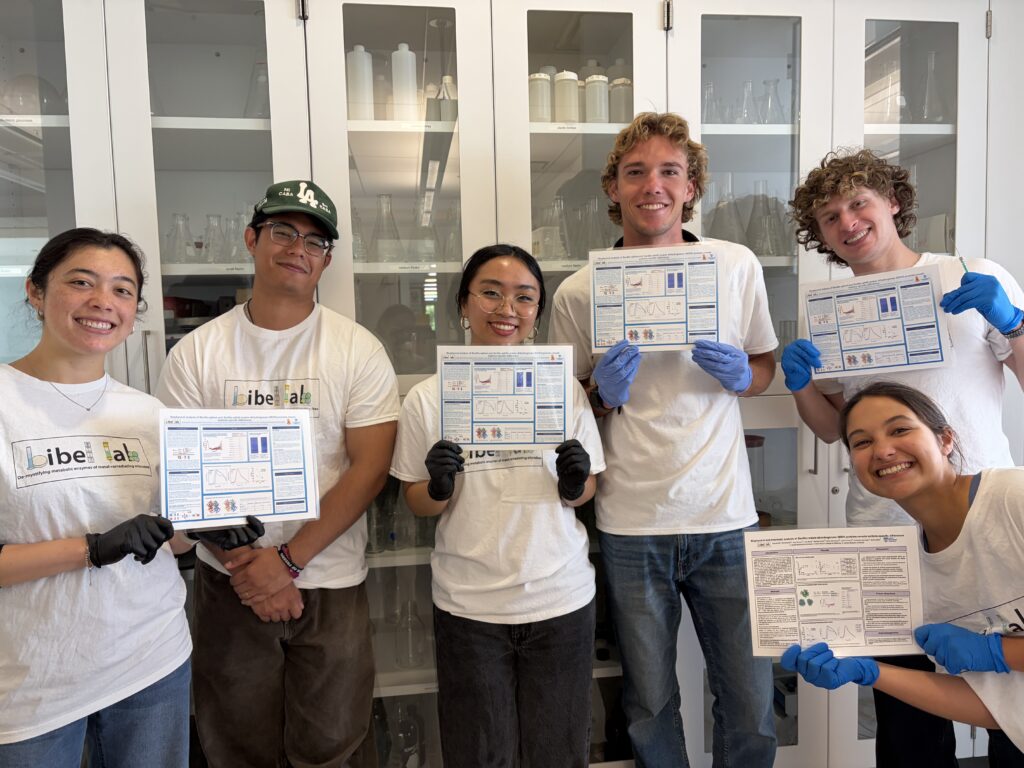
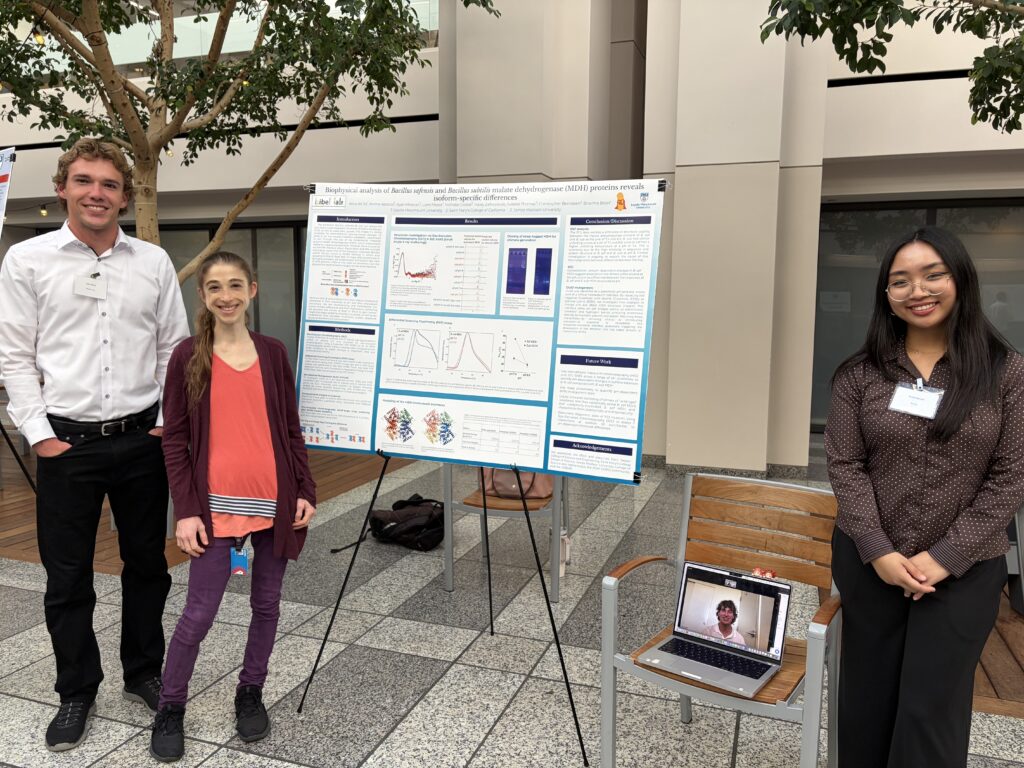
3/20/26: Korina, Liam, and (remotely) Ryan present at the LMU Undergraduate Research Symposium (URS)
Their first poster session!!!! And they rocked it! Most of the evidence taken by Devin Feil, Loyola Marymount University


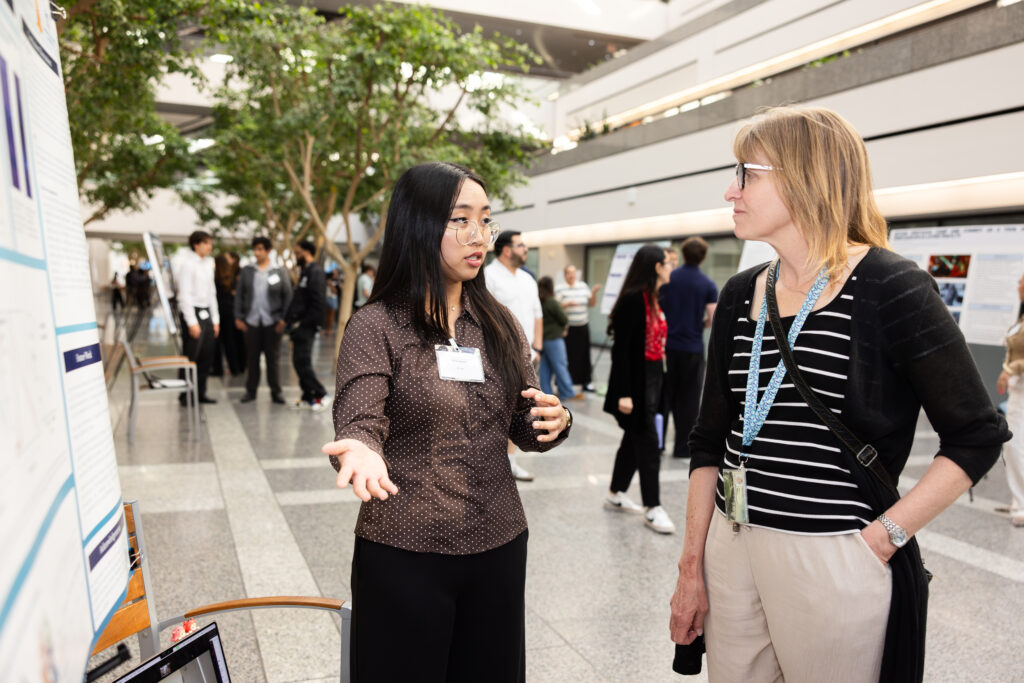

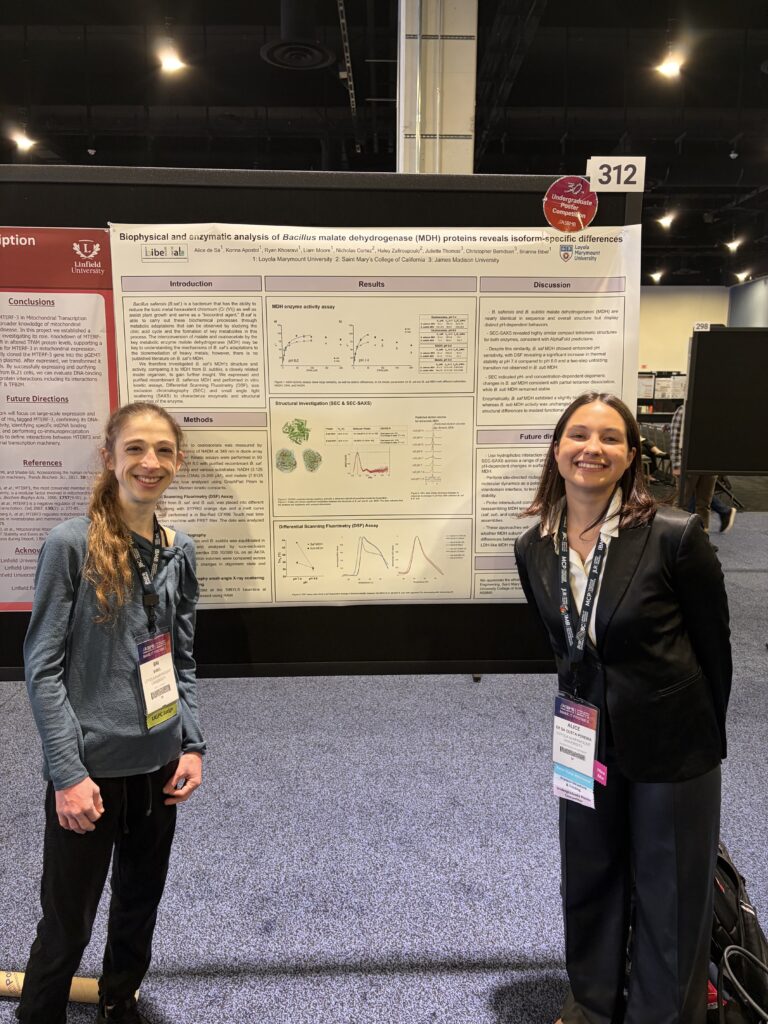
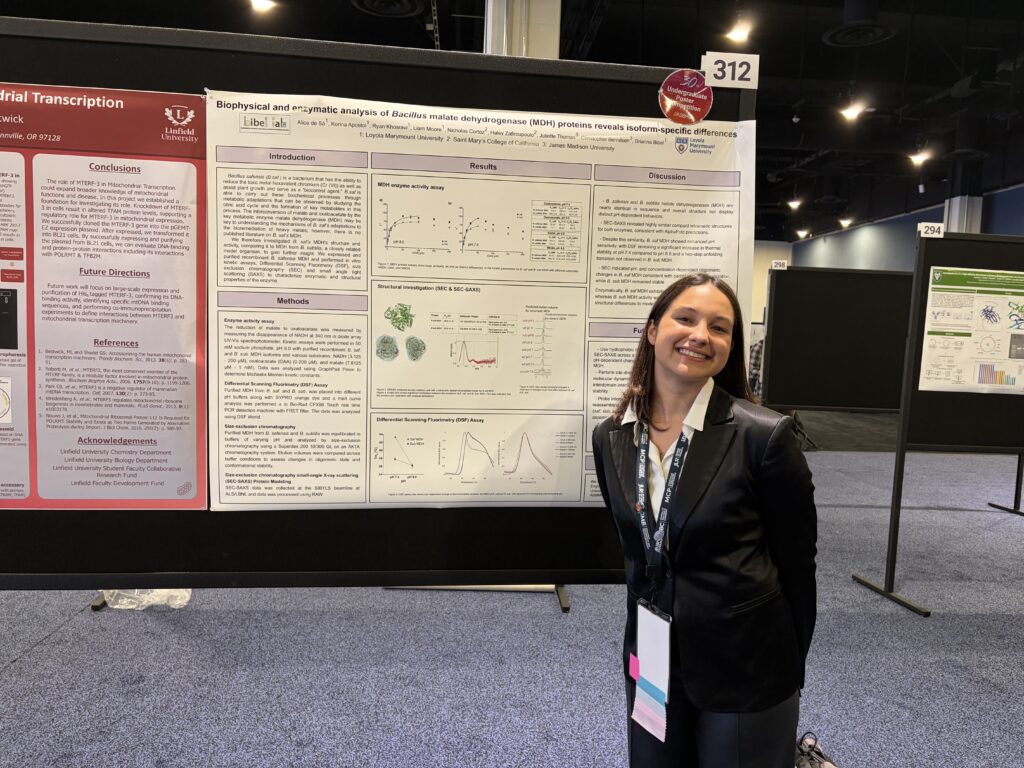
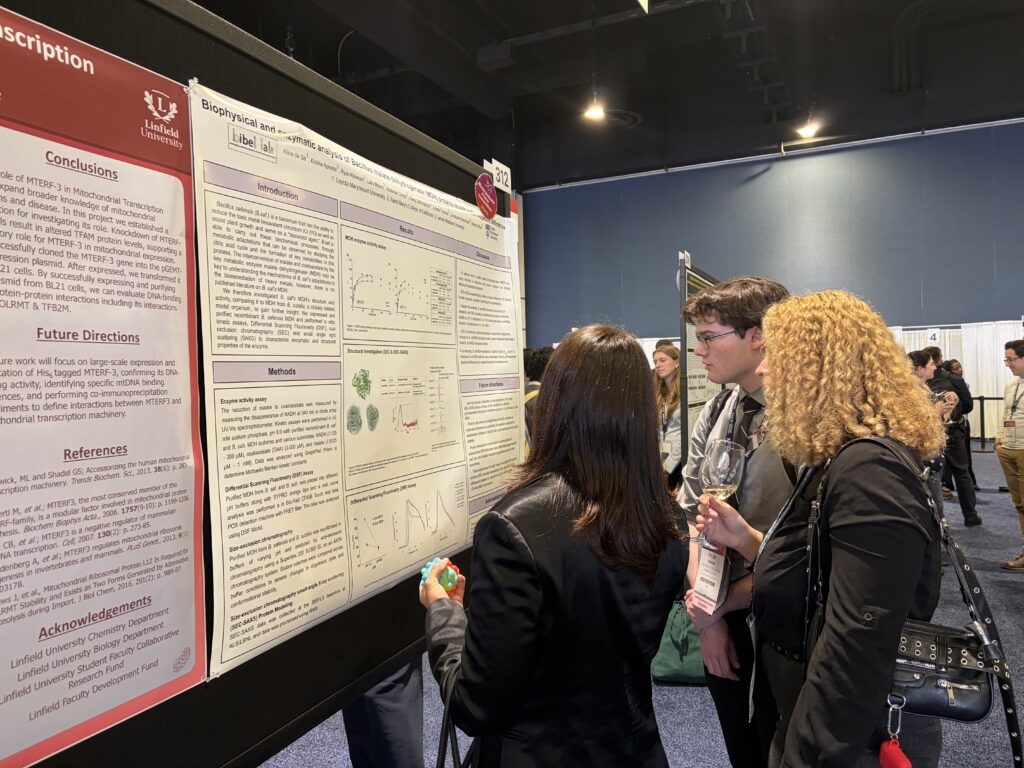
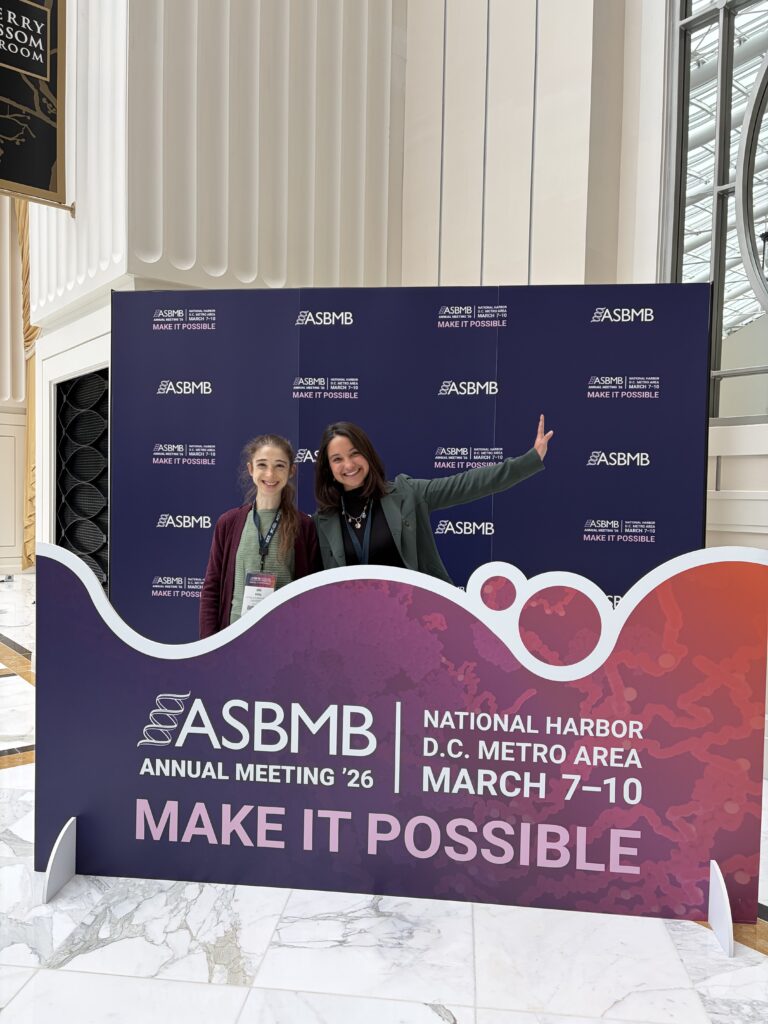
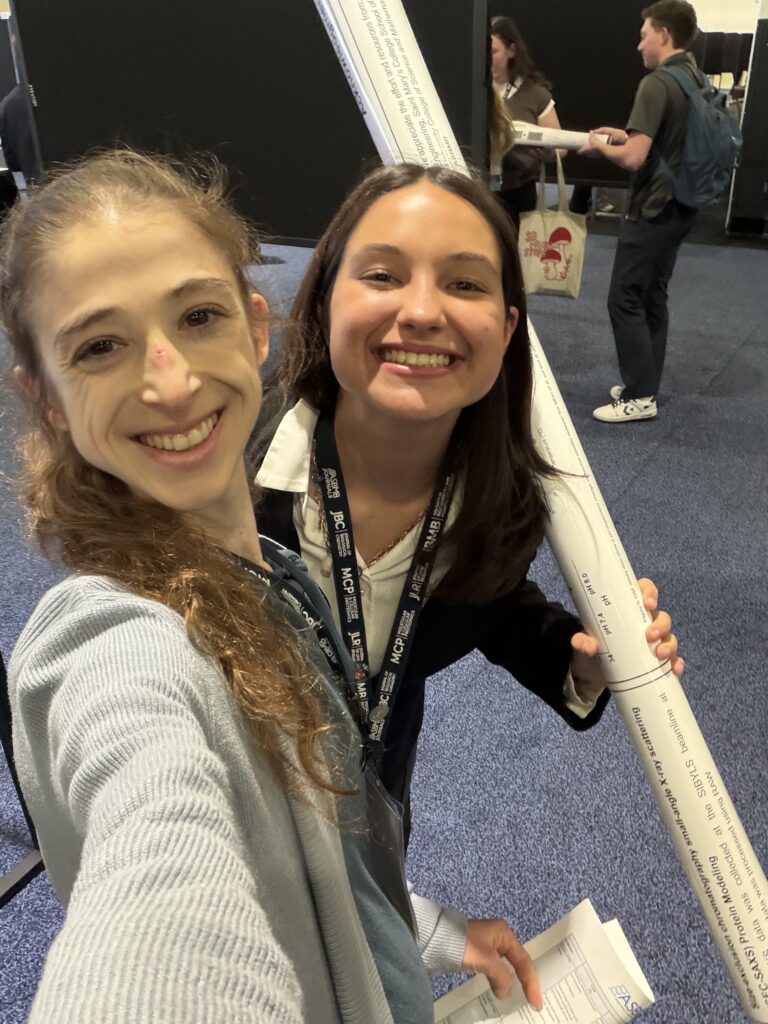
3/7-3/10/2026: Alice attends aSBMB conference and does a fabulous job presenting a poster of the lab’s work
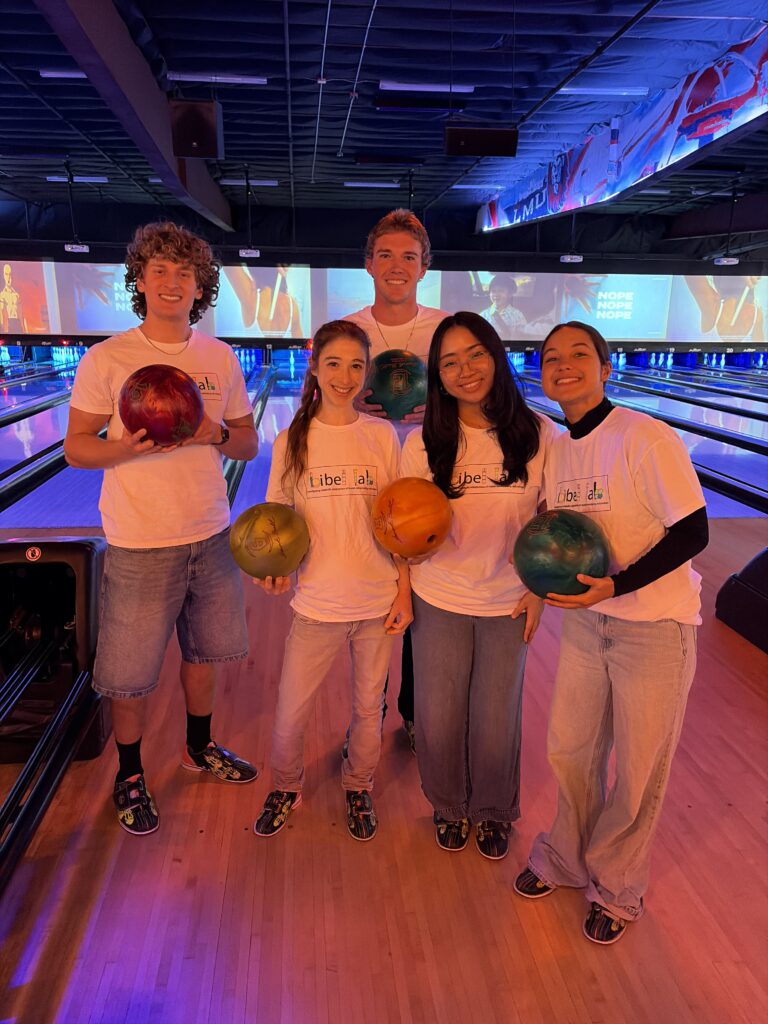
1/16/26: The bibel lab bowls! (Or, at least tries to . . .)